
When it comes to sleep, most people tend to focus solely on quantity—the number of hours they manage to rest each night—without fully considering the quality of that sleep or the position in which they spend those hours.
However, emerging research in sleep science, medicine, and wellness consistently highlights that how you position your body during sleep can have a profound impact on your overall health, digestion, circulation, and even mood and energy levels the following day.
Sleep is far from a passive state. While the body appears at rest, a complex array of physiological processes is underway. Cells are repairing and regenerating, tissues are rebuilding, blood is circulating efficiently, and hormones are being balanced.
The posture you adopt while sleeping can either support or subtly impede these vital processes. Small adjustments, such as the side on which you lie, can influence the effectiveness of these restorative mechanisms.
Among the commonly practiced sleep positions—back sleeping, stomach sleeping, and side sleeping—sleeping on the left side of the body is often recommended by health experts as a simple yet highly effective way to enhance nighttime comfort and optimize bodily function.
Although the difference may seem subtle, the benefits extend well beyond comfort and have implications for digestive health, cardiovascular efficiency, and even neurological wellness.
Left-Side Sleeping and Digestive Health
One of the most immediate and scientifically validated advantages of sleeping on your left side is its impact on digestion and gastrointestinal comfort.
Anatomically, the stomach is located on the left side of the abdomen, and the intestines are naturally oriented in a way that favors movement toward the colon.
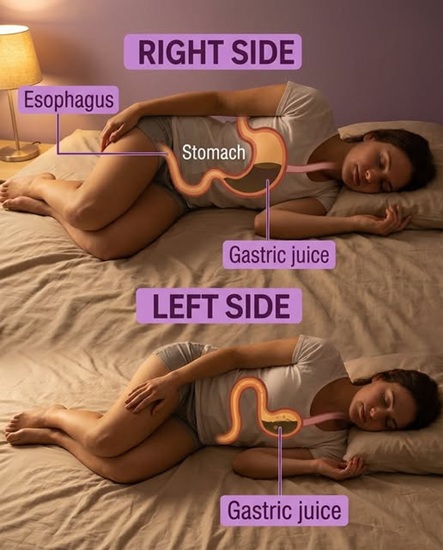
Lying on the left side allows gravity to facilitate the downward movement of food and gastric contents, which can reduce the likelihood of acid reflux or heartburn.
Acid reflux, clinically known as gastroesophageal reflux, occurs when stomach acid flows backward into the esophagus, irritating the sensitive lining and often interrupting sleep.
Millions of adults experience nightly discomfort from this condition, particularly those who consume late dinners, spicy foods, or alcohol. Sleeping on the left side positions the stomach below the esophagus, creating a natural barrier that prevents acid from traveling upward.
Moreover, this position promotes efficient peristalsis, the wave-like contractions of the digestive tract that move food along the intestines. By optimizing this natural process, left-side sleeping may reduce feelings of bloating, indigestion, and nighttime discomfort.
Over time, consistent side-sleeping can contribute to better nutrient absorption, as the digestive system is able to process food more efficiently, allowing the body to make the most of vitamins, minerals, and other nutrients consumed throughout the day.
Enhancing Circulation and Cardiovascular Health
Left-side sleeping also confers significant benefits for circulation and cardiovascular function. The heart is situated slightly to the left of the midline in the chest, and this position can reduce pressure on large veins that return deoxygenated blood to the heart, particularly the inferior vena cava.
By easing this venous return, blood circulates more efficiently, lowering strain on the cardiovascular system and helping to maintain healthy blood pressure levels.
Beyond the heart, side sleeping supports the lymphatic system, which serves as the body’s natural waste removal and immune regulation network.
The lymphatic system relies on gravity, tissue movement, and gentle pressure changes to transport lymph fluid through the body.
Sleeping on the left side may facilitate lymphatic drainage from the head, neck, and upper torso, allowing for more efficient removal of toxins and metabolic waste during rest. This, in turn, supports a balanced immune response and overall cellular health.
Pregnant Women and Left-Side Sleeping
For pregnant women, the advantages of left-side sleeping are particularly pronounced. During pregnancy, the uterus grows and exerts pressure on major blood vessels when lying on the back or right side, potentially limiting blood flow to the fetus and other organs.
Healthcare professionals frequently advise left-side sleeping, especially in the second and third trimesters, as it maximizes circulation to the uterus, placenta, and kidneys, while reducing swelling in the extremities.
Left-side sleeping during pregnancy can also alleviate pressure on the liver, enhance oxygen and nutrient delivery to the developing baby, and reduce discomfort caused by spinal misalignment or organ compression.
Many obstetric guidelines now specifically recommend that expectant mothers adopt this position to optimize both maternal and fetal health, highlighting its clinical importance beyond general wellness.
Strategies for Transitioning to Left-Side Sleeping
Transitioning to a new sleep position can feel awkward initially, particularly for individuals accustomed to sleeping on their back or stomach. Fortunately, several strategies can ease adaptation.
Pillows for support are invaluable. Placing a supportive pillow between the knees can reduce strain on the hips and lower back, while hugging a body pillow or smaller cushion stabilizes the torso and prevents rolling onto the back during the night.
A mattress of medium firmness is generally recommended for side sleepers, providing enough give to accommodate the shoulders and hips while maintaining spinal alignment.
Pillow height is another key consideration. The neck should remain aligned with the spine; too high or too low a pillow can lead to stiffness, headaches, or waking discomfort.
Gradually incorporating left-side sleep into your routine, even for partial nights, allows the body to adjust naturally without creating undue pressure or stress on muscles and joints.
Consistency is crucial. Over time, the body develops comfort and habit with this posture, leading to fewer nighttime disturbances, reduced digestive discomfort, and more refreshing mornings.
Supporting Neurological Health
Emerging research suggests that side sleeping, particularly on the left side, may offer neurological benefits. The brain clears waste via the glymphatic system, a network that removes metabolic byproducts such as beta-amyloid and other toxins during sleep.
Studies in both humans and animal models indicate that side sleeping may facilitate more efficient glymphatic clearance compared to back sleeping, potentially reducing the long-term risk of neurodegenerative conditions.
This function is especially significant for older adults or individuals at risk for conditions such as Alzheimer’s disease. By promoting optimal waste clearance from the brain, left-side sleeping could contribute to cognitive longevity, memory maintenance, and overall neurological health.
Respiratory and Snoring Considerations
Side sleeping also improves airflow through the respiratory system. Many individuals experience snoring or mild sleep apnea, particularly when lying on their backs.
Sleeping on the left side can help maintain an open airway, minimizing soft tissue vibration in the throat and reducing episodes of interrupted breathing.
For pregnant women, side sleeping not only supports circulation but also enhances oxygenation for both mother and baby, ensuring that tissues receive adequate oxygen while minimizing strain on the diaphragm. By redistributing weight and reducing pressure on internal organs, this posture often results in more uninterrupted, restful sleep.
Integrating Lifestyle Practices for Optimal Sleep
While the left-side position offers numerous benefits, optimal sleep quality is multifactorial. Maintaining a consistent bedtime, avoiding heavy meals and stimulants close to bedtime, and creating a cool, dark, quiet sleep environment all amplify the advantages of side sleeping.
Stress management, meditation, and gentle stretching can further enhance comfort and facilitate adherence to the new position.
Small incremental adjustments—such as lying on your left side for part of the night initially—can help acclimate the body, while supportive pillows and mattress alignment accelerate adaptation.
Over several weeks, these adjustments often result in a noticeable improvement in energy levels, digestive comfort, and overall well-being.
Long-Term Health Benefits of Consistent Left-Side Sleeping
Adopting a left-side sleeping posture over months and years can yield compounding benefits for overall health. While a single night of proper positioning improves immediate comfort and digestion, long-term adherence may influence cardiovascular health, metabolic function, and immune efficiency.
Cardiovascular support is particularly notable. By reducing pressure on the inferior vena cava—the major vein returning blood from the lower body to the heart—left-side sleeping eases the workload of the cardiovascular system over prolonged periods.
For individuals with hypertension or mild circulatory challenges, this positional adjustment can support heart function and contribute to healthier blood pressure regulation.
Additionally, enhanced lymphatic drainage plays a cumulative role in systemic detoxification. The body continually removes cellular waste and inflammatory byproducts, processes that are optimized during sleep.
Left-side sleeping encourages more effective lymph movement, which over time may reduce systemic inflammation, support immune resilience, and improve tissue repair. These factors can subtly influence long-term wellness, lowering susceptibility to chronic conditions associated with inflammation, such as cardiovascular disease or metabolic syndrome.
Clinical Insights and Research Findings
Several studies have examined the effects of side sleeping on physiological function. Research indicates that gastroesophageal reflux disease (GERD) symptoms are significantly reduced when individuals adopt a left-side sleeping position.
One study published in the Journal of Clinical Gastroenterology found that patients with nocturnal acid reflux experienced fewer reflux episodes and reported improved sleep quality when positioned on their left side compared to right-side or supine positions.
Similarly, sleep research suggests that side sleeping may enhance glymphatic clearance. A study in Frontiers in Neurology demonstrated that lateral sleeping positions allowed more effective removal of beta-amyloid from the brain, a key factor in reducing long-term risk for neurodegenerative disorders such as Alzheimer’s disease.
This research highlights how a simple positional adjustment can influence complex neurological processes that unfold gradually over a lifetime.
Pregnancy-related studies further validate the position’s benefits. Observational studies consistently show that left-side sleeping reduces maternal edema (swelling) in the lower extremities, improves uteroplacental blood flow, and lowers the risk of stillbirth in late pregnancy.
As such, the left side is often considered the safest sleep position during the third trimester, combining comfort, safety, and enhanced maternal-fetal health.
Advanced Techniques to Optimize Side Sleeping
To maximize the benefits of left-side sleeping, attention to posture and support is critical. Beyond basic pillow placement, certain adjustments can further enhance alignment, comfort, and physiological outcomes.
- Spinal Alignment: Use a contoured or memory foam pillow to ensure that the head and neck remain neutral with the spine. The pillow should fill the space between the ear and shoulder without tilting the head upward or downward.
- Hip and Knee Support: A firm pillow between the knees reduces stress on the hips and lower back. This is particularly important for individuals with sciatica, arthritis, or prior back injuries.
- Torso Stabilization: Hugging a body pillow along the torso prevents rotation onto the back, maintains spinal alignment, and provides additional comfort.
- Mattress Considerations: Medium-firm mattresses are generally ideal for side sleepers. They offer adequate support for heavier body parts, such as the shoulders and hips, while cushioning pressure points. For those who prefer softer surfaces, adding a topper designed for side sleeping can provide additional relief.
- Leg and Pelvis Adjustment: Slightly bending the knees toward the chest (fetal-like position) can reduce strain on the lumbar spine and aid in relaxation. However, extreme curling may restrict breathing or circulation, so moderate positioning is recommended.
Special Populations: Children, Seniors, and Individuals with Chronic Conditions
Children may benefit from side sleeping in terms of reducing nighttime reflux, particularly those prone to gastrointestinal discomfort. Encouraging healthy sleep posture from an early age can support proper spinal development and establish habits that continue into adulthood.
Older adults often face challenges with circulation, joint discomfort, and reduced mobility. Left-side sleeping can ease pressure on joints, improve venous return, and facilitate lymphatic drainage, contributing to better energy and reduced inflammation.
For elderly individuals with cognitive or neurological concerns, maintaining a consistent sleep position can also support predictable sleep cycles, enhancing overall restfulness.
For individuals with chronic conditions such as GERD, mild sleep apnea, or circulatory disorders, left-side sleeping is a simple, low-cost, low-risk intervention that can complement medical treatment.
In many cases, positional therapy serves as a first-line recommendation before introducing more invasive interventions like medication or continuous positive airway pressure (CPAP) devices.
Integrating Left-Side Sleeping into Comprehensive Sleep Hygiene
The position of sleep is one piece of a larger puzzle. Pairing left-side sleeping with other evidence-based sleep hygiene practices amplifies its effects:
- Consistent Sleep Schedule: Going to bed and waking at the same times each day reinforces circadian rhythms.
- Optimized Sleep Environment: A cool, dark, and quiet room supports melatonin production and deeper stages of restorative sleep.
- Diet and Timing: Avoiding heavy meals, caffeine, or alcohol close to bedtime reduces nocturnal digestive strain and supports uninterrupted rest.
- Stress Management: Techniques such as deep breathing, meditation, or gentle stretching relax the nervous system and promote faster adaptation to side sleeping.
By integrating positional sleep with these habits, individuals can maximize both immediate comfort and long-term physiological benefits.
Monitoring Progress and Adapting
Transitioning to left-side sleeping may require patience. Many people initially experience mild discomfort in the shoulders, hips, or neck. Monitoring sleep quality using wearable devices, sleep journals, or simple self-assessment can provide feedback on adaptation progress.
Over a few weeks, the body usually adjusts. Improvements often include:
- Reduced episodes of nighttime acid reflux or indigestion
- Less stiffness in the neck, shoulders, or lower back upon waking
- Decreased snoring or mild apnea symptoms
- Enhanced feelings of restfulness and alertness during the day
For pregnant women, monitoring fetal movement, maternal comfort, and leg swelling helps confirm the position is effective. Adjustments such as extra pillows or wedges can further optimize support.
The Holistic Perspective: Why Sleep Position Matters
Sleeping on the left side is not merely a comfort choice; it reflects a holistic approach to wellness. The body’s organs, muscles, nervous system, and circulatory pathways all respond to gravity, alignment, and posture during rest.
By adopting a thoughtful sleep position, individuals actively support physiological repair, detoxification, and metabolic function, harnessing sleep’s full restorative potential.
Even minor postural adjustments can have cascading effects. Improved digestion leads to better nutrient absorption, which supports energy levels, immune function, and cognitive clarity.
Enhanced circulation aids tissue repair, reduces inflammation, and promotes cardiovascular resilience. Optimal lymphatic flow contributes to detoxification, while improved breathing and airway alignment enhance oxygen delivery and respiratory efficiency.
In essence, sleep posture is a form of proactive health management, comparable to diet, exercise, and mindfulness. It is a low-cost, low-risk intervention with measurable benefits that accumulate over a lifetime.
Conclusion
Sleeping on the left side is more than a simple bedtime preference—it is a science-backed strategy to optimize health, comfort, and restorative function. From digestion and reflux management to cardiovascular support, lymphatic efficiency, neurological health, and respiratory improvement, the benefits of left-side sleeping are wide-ranging and compelling.
For pregnant women, children, older adults, and individuals with chronic health concerns, this position can significantly enhance comfort, safety, and well-being.
For the general population, it represents an accessible, low-effort way to improve sleep quality, support organ function, and increase daytime energy.
While it may seem like a minor adjustment, left-side sleeping exemplifies the principle that small, intentional lifestyle changes can create profound, lasting effects. By prioritizing sleep posture alongside other healthy habits, you can maximize the restorative potential of each night, reduce discomfort, and contribute to long-term wellness.
Ultimately, how we sleep is just as important as how long we sleep. By choosing a left-side position, making supportive adjustments, and maintaining consistent sleep hygiene, individuals harness the full power of rest—nourishing the body, supporting vital systems, and fostering resilience for the challenges of daily life.
Special Populations: Children, Seniors, and Individuals with Chronic Conditions
Children may benefit from side sleeping in terms of reducing nighttime reflux, particularly those prone to gastrointestinal discomfort. Encouraging healthy sleep posture from an early age can support proper spinal development and establish habits that continue into adulthood.
Older adults often face challenges with circulation, joint discomfort, and reduced mobility. Left-side sleeping can ease pressure on joints, improve venous return, and facilitate lymphatic drainage, contributing to better energy and reduced inflammation.
For elderly individuals with cognitive or neurological concerns, maintaining a consistent sleep position can also support predictable sleep cycles, enhancing overall restfulness.
For individuals with chronic conditions such as GERD, mild sleep apnea, or circulatory disorders, left-side sleeping is a simple, low-cost, low-risk intervention that can complement medical treatment.
In many cases, positional therapy serves as a first-line recommendation before introducing more invasive interventions like medication or continuous positive airway pressure (CPAP) devices.
Integrating Left-Side Sleeping into Comprehensive Sleep Hygiene
The position of sleep is one piece of a larger puzzle. Pairing left-side sleeping with other evidence-based sleep hygiene practices amplifies its effects:
- Consistent Sleep Schedule: Going to bed and waking at the same times each day reinforces circadian rhythms.
- Optimized Sleep Environment: A cool, dark, and quiet room supports melatonin production and deeper stages of restorative sleep.
- Diet and Timing: Avoiding heavy meals, caffeine, or alcohol close to bedtime reduces nocturnal digestive strain and supports uninterrupted rest.
- Stress Management: Techniques such as deep breathing, meditation, or gentle stretching relax the nervous system and promote faster adaptation to side sleeping.
By integrating positional sleep with these habits, individuals can maximize both immediate comfort and long-term physiological benefits.
Monitoring Progress and Adapting
Transitioning to left-side sleeping may require patience. Many people initially experience mild discomfort in the shoulders, hips, or neck. Monitoring sleep quality using wearable devices, sleep journals, or simple self-assessment can provide feedback on adaptation progress.
Over a few weeks, the body usually adjusts. Improvements often include:
- Reduced episodes of nighttime acid reflux or indigestion
- Less stiffness in the neck, shoulders, or lower back upon waking
- Decreased snoring or mild apnea symptoms
- Enhanced feelings of restfulness and alertness during the day
For pregnant women, monitoring fetal movement, maternal comfort, and leg swelling helps confirm the position is effective. Adjustments such as extra pillows or wedges can further optimize support.
The Holistic Perspective: Why Sleep Position Matters
Sleeping on the left side is not merely a comfort choice; it reflects a holistic approach to wellness. The body’s organs, muscles, nervous system, and circulatory pathways all respond to gravity, alignment, and posture during rest.
By adopting a thoughtful sleep position, individuals actively support physiological repair, detoxification, and metabolic function, harnessing sleep’s full restorative potential.
Even minor postural adjustments can have cascading effects. Improved digestion leads to better nutrient absorption, which supports energy levels, immune function, and cognitive clarity.
Enhanced circulation aids tissue repair, reduces inflammation, and promotes cardiovascular resilience. Optimal lymphatic flow contributes to detoxification, while improved breathing and airway alignment enhance oxygen delivery and respiratory efficiency.
In essence, sleep posture is a form of proactive health management, comparable to diet, exercise, and mindfulness. It is a low-cost, low-risk intervention with measurable benefits that accumulate over a lifetime.
