
Throughout the history of the United States, the presidency has carried enormous responsibility. Decisions made in the Oval Office have shaped wars, economies.
Civil rights, and America’s role on the global stage. While many presidents are remembered for leadership and progress, others are frequently criticized by historians.
Scholars, and the public for ineffective governance, controversial policies, or failures during times of crisis. Evaluating presidential performance is complex and often subjective, but certain leaders consistently rank low in historical assessments due to the long-term consequences of their actions or inaction.
This article examines some of the U.S. presidents most often regarded as among the least effective or most controversial. These evaluations are based on historical research, scholarly consensus, and documented outcomes rather than political opinion alone.
Andrew Johnson (1865–1869)
Andrew Johnson became president following the assassination of Abraham Lincoln, inheriting one of the most fragile moments in American history: the aftermath of the Civil War.
His primary responsibility was overseeing Reconstruction, the process of reintegrating Southern states and ensuring rights for formerly enslaved people.
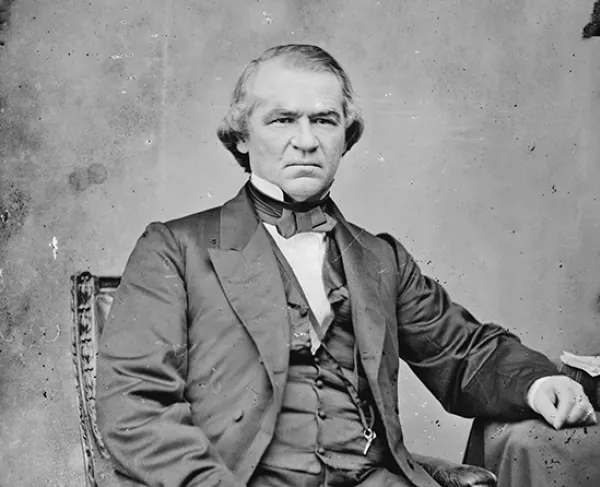
Johnson’s presidency is widely criticized because of his resistance to Reconstruction efforts supported by Congress. He opposed legislation designed to protect civil rights for freed African Americans and frequently vetoed bills aimed at rebuilding the South under stricter federal oversight.
His lenient approach toward former Confederate leaders allowed many to quickly regain political power, undermining progress toward racial equality.
Johnson’s repeated clashes with Congress led to his impeachment in 1868 after he violated the Tenure of Office Act. Although he narrowly avoided removal from office, his presidency is often viewed as a failure that delayed civil rights advancements for generations. Many historians consider Johnson one of the least effective presidents due to the long-lasting damage caused by his policies.
James Buchanan (1857–1861)
James Buchanan served as president during the years immediately preceding the American Civil War. His leadership is heavily criticized for failing to address the escalating tensions between slaveholding and free states.
Rather than confronting the moral and political crisis of slavery, Buchanan believed that compromise and inaction would preserve the Union. He argued that the federal government had limited authority to intervene, even as Southern states openly discussed secession.
His support for the pro-slavery Lecompton Constitution in Kansas further inflamed sectional divisions.
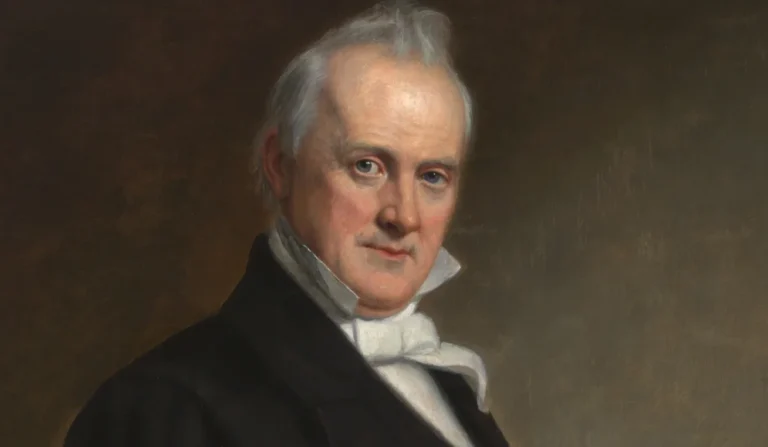
When Southern states began seceding after Abraham Lincoln’s election, Buchanan took no decisive action to stop them, claiming the Constitution did not grant him the power to prevent secession.
This failure left the nation unprepared for the Civil War and transferred an unstable situation to his successor. Because of this, Buchanan is frequently ranked at or near the bottom of presidential performance lists.
Herbert Hoover (1929–1933)
Herbert Hoover’s presidency coincided with the onset of the Great Depression, the most severe economic collapse in U.S. history. Although Hoover had previously earned respect as a humanitarian and administrator, his response to the economic crisis has been widely criticized.
Hoover believed strongly in limited government intervention and was reluctant to provide direct federal aid to individuals suffering from unemployment and poverty. His administration relied on voluntary cooperation from businesses and local governments, which proved insufficient as the economy continued to deteriorate.
By the time Hoover left office, unemployment had soared, banks had failed nationwide, and millions of Americans were living in poverty.
While historians recognize that the Great Depression had complex global causes, Hoover’s limited response and communication failures contributed to public frustration and loss of confidence. His presidency is often cited as an example of how rigid economic ideology can worsen a national crisis.
Richard Nixon (1969–1974)
Richard Nixon’s presidency presents a complicated legacy. On one hand, he achieved notable successes in foreign policy, including opening diplomatic relations with China and pursuing arms control agreements with the Soviet Union. On the other hand, his administration is permanently overshadowed by the Watergate scandal.
The scandal began with a break-in at the Democratic National Committee headquarters and expanded into a broader investigation that revealed abuses of power, illegal surveillance, and efforts to obstruct justice. As evidence mounted, it became clear that Nixon had participated in covering up illegal activities.
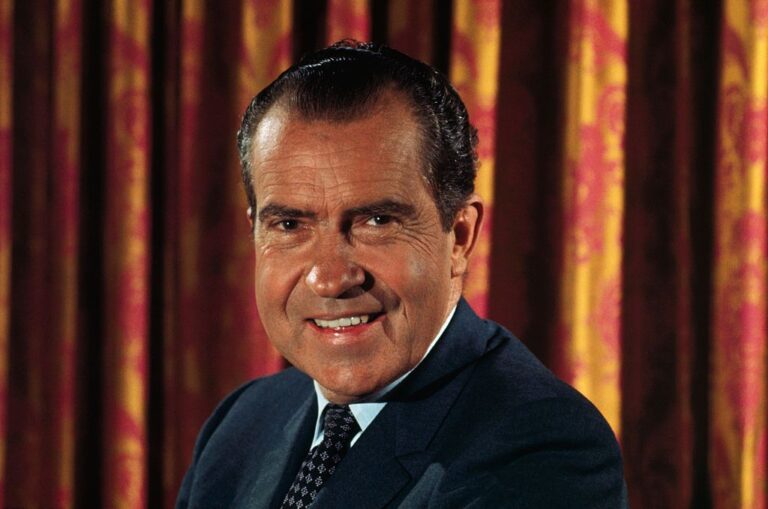
In 1974, facing near-certain impeachment and removal, Nixon resigned from office, becoming the only U.S. president to do so. While his policy achievements are acknowledged, historians often rank him poorly due to the constitutional crisis triggered by Watergate and the lasting damage to public trust in government.
Andrew Jackson (1829–1837)
Andrew Jackson is one of the most polarizing figures in American history. Supporters credit him with expanding democratic participation for white male voters and strengthening the presidency. Critics, however, focus on the severe human cost of his policies.
Jackson’s most controversial action was his enforcement of the Indian Removal Act of 1830. This policy led to the forced relocation of Native American tribes from their ancestral lands, resulting in the Trail of Tears, during which thousands died from disease, starvation, and exposure. Despite a Supreme Court ruling that protected Native American sovereignty, Jackson refused to enforce it.
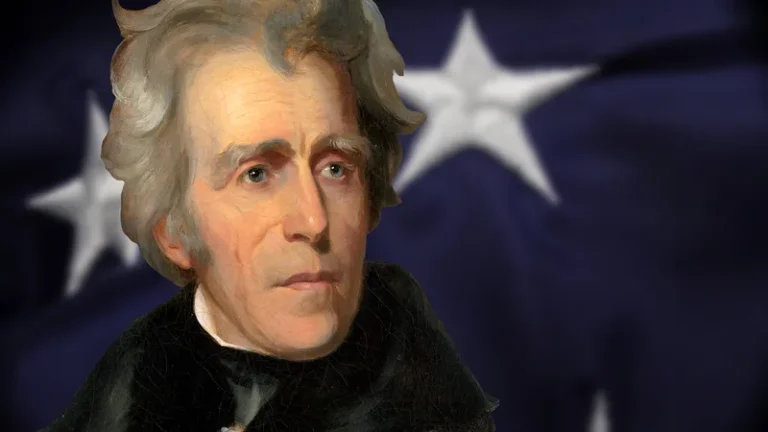
His aggressive use of executive power, hostility toward political opponents, and disregard for minority rights have led many historians to reassess his legacy. While influential, Jackson’s presidency is frequently criticized for prioritizing expansion and power over justice and human rights.
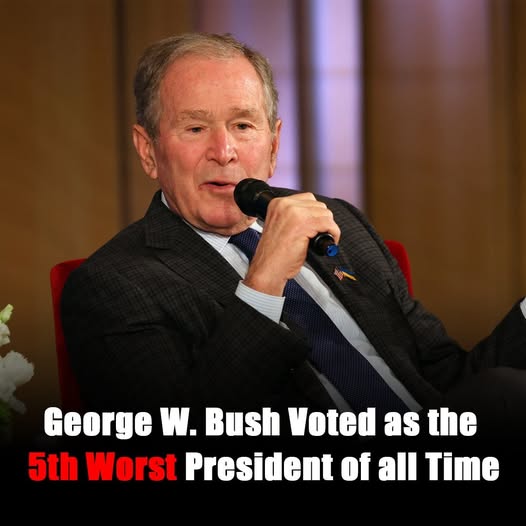
George W. Bush (2001–2009)
George W. Bush’s presidency was shaped by the September 11, 2001 terrorist attacks, which dramatically altered U.S. foreign and domestic policy. His administration launched the War on Terror, including wars in Afghanistan and Iraq.
The invasion of Iraq in 2003 remains one of the most debated decisions in modern American history. The justification for the war was based on intelligence that later proved inaccurate, particularly regarding weapons of mass destruction. The conflict resulted in prolonged instability in the region and significant loss of life.
Domestically, Bush faced criticism for the federal government’s response to Hurricane Katrina in 2005, which exposed serious weaknesses in disaster preparedness and emergency management.
Additionally, the 2008 financial crisis occurred during the final year of his presidency, further damaging public confidence. While supporters defend some of his actions, Bush is often ranked among the more controversial modern presidents.
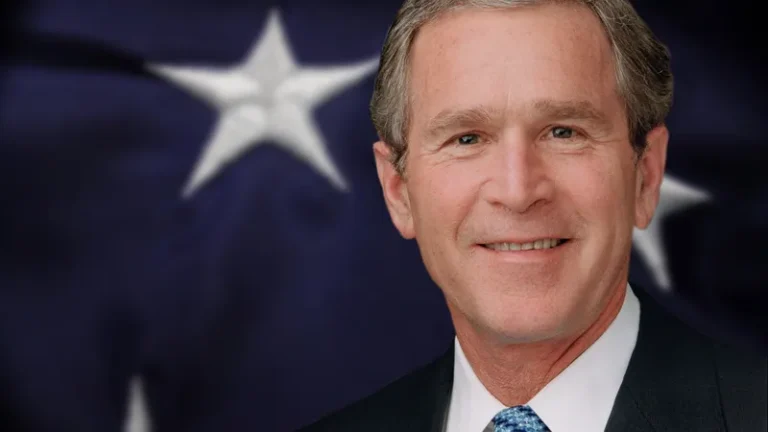
Lyndon B. Johnson assumed the presidency following the assassination of John F. Kennedy and quickly demonstrated exceptional legislative skill. His domestic agenda, known as the “Great Society,” led to major achievements including the Civil Rights Act of 1964, the Voting Rights Act of 1965, and the establishment of Medicare and Medicaid. These policies significantly expanded civil rights and social welfare in the United States.
However, Johnson’s legacy is deeply overshadowed by the Vietnam War. Under his leadership, U.S. military involvement in Vietnam escalated dramatically. What began as advisory support turned into a full-scale conflict involving hundreds of thousands of American troops. The war became increasingly unpopular as casualties mounted and public confidence declined.
Johnson’s administration struggled with transparency regarding the war’s progress, contributing to widespread protests and political unrest. Although his domestic accomplishments remain historically significant, many historians argue that Vietnam severely damaged trust in government and ultimately defined his presidency. As a result, Johnson is often ranked in the middle or lower tiers of presidential evaluations.
Jimmy Carter (1977–1981)
Jimmy Carter entered office with a reputation for honesty and integrity, promising a government rooted in transparency and ethical leadership. His presidency emphasized human rights in foreign policy and environmental protection at home.
Carter also played a key role in negotiating the Camp David Accords, which led to a historic peace agreement between Egypt and Israel.
Despite these achievements, Carter struggled with severe economic challenges. The United States experienced high inflation, rising unemployment, and an ongoing energy crisis during his term.
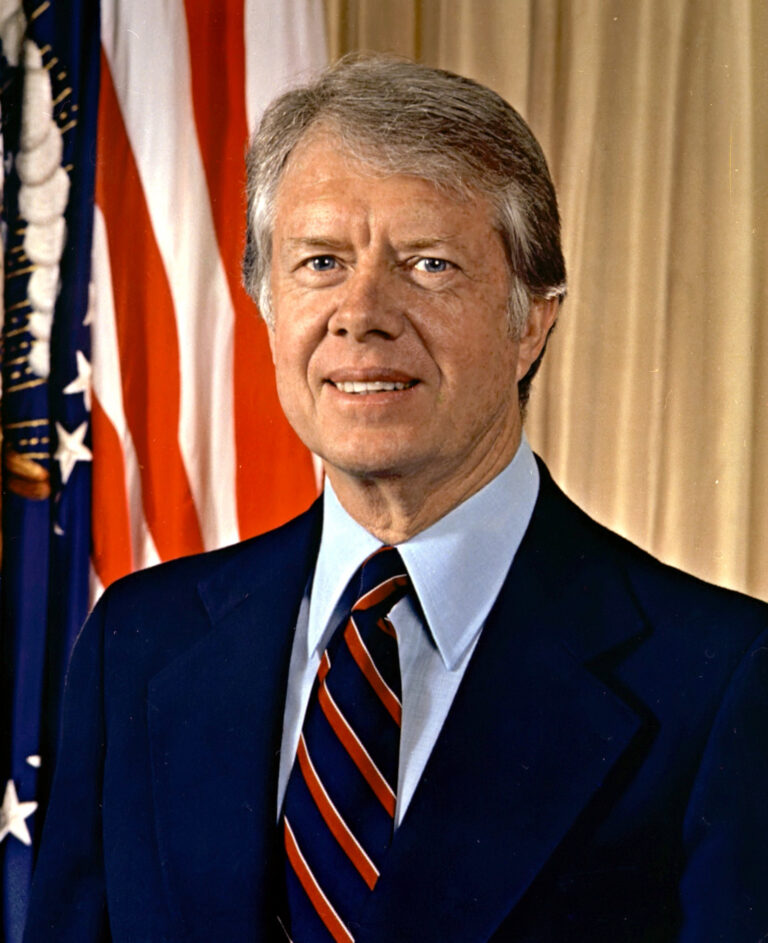
Efforts to promote energy conservation were met with mixed public response, and confidence in economic leadership weakened.
Carter’s presidency was further damaged by the Iran hostage crisis, during which 52 American diplomats were held captive for 444 days. The prolonged situation and a failed rescue attempt created a perception of weak leadership.
Although Carter is now widely respected for his post-presidency humanitarian work, historians often rate his time in office as ineffective due to economic instability and foreign policy setbacks.
Barack Obama (2009–2017)
Barack Obama became the first African American president in U.S. history, entering office during the worst financial crisis since the Great Depression. His administration focused heavily on economic recovery, leading to the passage of the American Recovery and Reinvestment Act, which helped stabilize financial markets and reduce unemployment over time.
Obama’s most significant domestic achievement was the Affordable Care Act, which expanded health insurance coverage to millions of Americans. Supporters credit the law with improving access to healthcare, while critics argue it increased costs and government involvement.
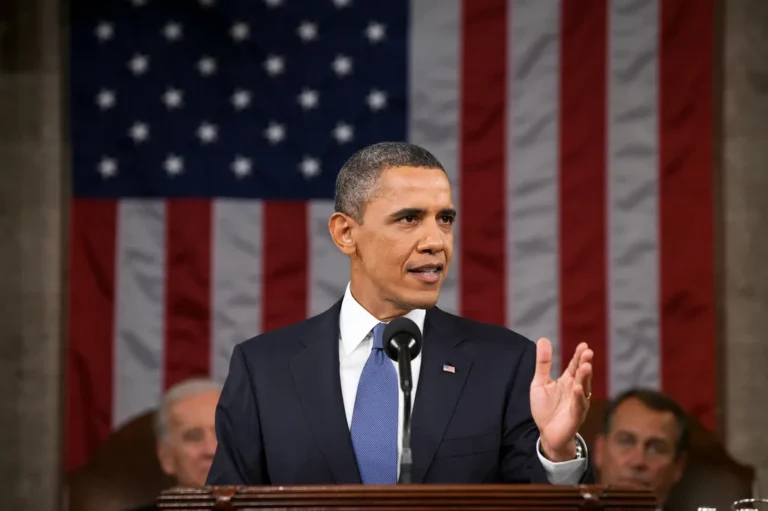
In foreign policy, Obama faced criticism for expanded drone warfare, ongoing military involvement in the Middle East, and intervention in Libya. While his administration successfully oversaw the operation that killed Osama bin Laden, critics argue that instability in regions such as Syria and Libya worsened during his tenure.
Obama’s presidency is often described as polarizing. While praised by supporters for diplomacy and reform, others criticize his leadership style and long-term foreign policy outcomes. As a result, his historical ranking varies widely depending on criteria used.
Richard Nixon (Revisited in Historical Context)
Although previously discussed, Nixon’s place among criticized presidents is reinforced by long-term consequences of the Watergate scandal. Beyond his resignation, Watergate permanently altered how Americans viewed executive power. It led to stronger congressional oversight, ethics reforms, and a more skeptical media environment.
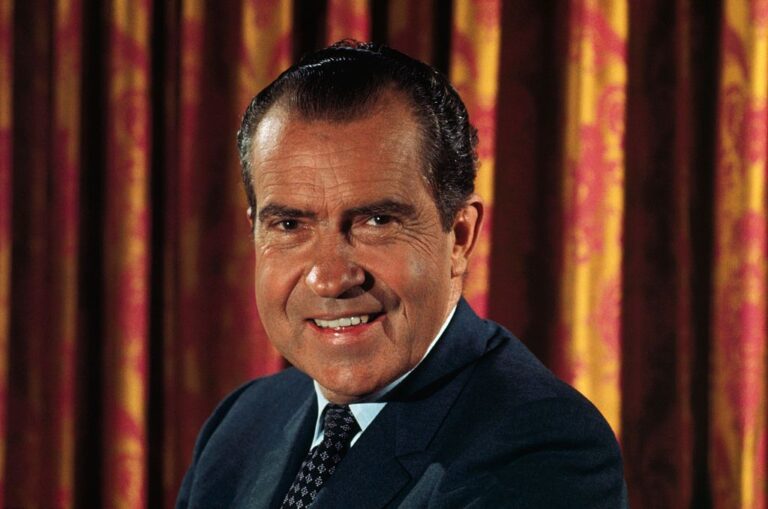
The erosion of public trust following Watergate is considered one of the most damaging legacies of any presidency. Even decades later, Nixon’s name remains synonymous with political scandal, reinforcing his inclusion among the most controversial leaders in U.S. history.
Evaluating Presidential Failure and Controversy
Labeling a president as “worst” or “least effective” is inherently complex. Each presidency operates under unique circumstances shaped by economic conditions, global conflicts, and social change. Some leaders faced unprecedented crises, while others made decisions that appeared reasonable at the time but proved harmful in hindsight.
Historians typically assess presidents based on leadership, crisis management, respect for democratic institutions, economic stewardship, and long-term national impact. In many cases, failures stem not from a single decision but from patterns of behavior, ideological rigidity, or inability to adapt.
Lessons from History
The presidents discussed in this article serve as cautionary examples of how executive decisions can shape a nation for generations. From Andrew Johnson’s resistance to civil rights progress to modern debates over war, surveillance, and economic policy, these administrations illustrate the importance of accountability, transparency, and balanced leadership.
Understanding presidential shortcomings is not about assigning blame alone, but about learning from history. By examining past failures, citizens and future leaders gain valuable insight into how power should—and should not—be exercised in a democratic society.
