

Republicans didn’t just block what might have seemed like a routine spending item—they ignited a full-blown political controversy that highlights broader questions about congressional earmarks.
Oversight, and public trust. The specific measure at the center of the dispute was a $1 million earmark added by Representative Ilhan Omar.
Intended to support a Somali-run addiction treatment center in Minneapolis. Once the earmark was flagged by federal watchdogs for potential concerns about accountability and transparency, it was quickly removed, but not before drawing widespread attention from lawmakers, analysts, and the public.
The earmark was originally intended to provide resources for community-based addiction services, a sector where demand in Minneapolis is high due to documented gaps in treatment availability and disproportionately high rates of substance abuse in certain communities.

However, early reporting revealed that the operation ran out of office space located above a restaurant, and the organization was managed by individuals who shared the same residential address.
These details immediately raised red flags about proper oversight, organizational structure, and the ability of the program to manage federal funds responsibly. While there is no evidence of criminal wrongdoing, the unusual setup prompted questions about whether standard vetting procedures were followed before allocating taxpayer dollars.
Critics of the earmark argued that the issue extended far beyond a single budget line. To them, the controversy underscored a broader systemic concern: federal dollars can sometimes be quietly directed to organizations with limited public transparency, leaving gaps in accountability.
Questions emerged about whether proper due diligence had been conducted, including verification of organizational governance, financial controls, and the qualifications of leadership.
Lawmakers such as Senator Joni Ernst publicly pushed for the earmark’s removal, asserting that federal funds should be subjected to rigorous review before allocation.
Analysts in Washington noted that the controversy reflects the challenges inherent in earmark approval processes, where speed and political considerations can occasionally override careful examination.
The political context in Minnesota added further fuel to the fire. In recent years, the state has experienced multiple high-profile cases of fraud involving federally funded programs tied to Somali-run nonprofits, particularly in daycare and food assistance.
These cases heightened skepticism among both the public and lawmakers, creating a climate in which any federal funding directed to similar organizations is viewed with increased scrutiny.
While there has been no formal evidence that Omar’s earmark involved misconduct, the historical backdrop amplified concerns, making the story more politically resonant and widely discussed.
Media coverage also focused on Omar herself. Public attention has been drawn to reports about her family’s rising wealth and her associations within certain advocacy networks.

While supporters argue that these reports are politically motivated and often presented out of context, critics contend that such factors contribute to a perception that federal funds may be influenced by personal or community connections rather than objective need.
This tension between political narrative and factual reporting illustrates how public trust can be shaped as much by perception as by verified evidence.
Beyond the specific controversy surrounding Omar, the episode taps into a broader debate over earmarks and federal spending practices. Earmarks—funds directed to specific projects at the discretion of lawmakers—have long been a subject of criticism and reform efforts.
Proponents argue that they allow legislators to respond to local needs that might be overlooked by broader federal programs, particularly in underfunded or specialized sectors such as addiction treatment or community services.
Opponents, however, argue that earmarks are prone to abuse, susceptible to favoritism, and often lack sufficient transparency. In this case, the combination of a small organization, unconventional operating arrangements, and limited public financial disclosure created a scenario where even a well-intentioned allocation could appear questionable.
The debate over the Minnesota earmark also reflects wider societal frustrations with identity-based appeals in funding. Omar, as the first Somali-American woman elected to Congress, has frequently highlighted the needs of immigrant communities in her policy initiatives.
While many view this advocacy as a legitimate expression of representation, critics argue that framing spending through the lens of community identity can sometimes overshadow rigorous assessment of organizational capacity, governance, and financial responsibility.
This tension—between responding to community-specific needs and ensuring federal accountability—lies at the heart of the controversy.

For voters and policymakers alike, the episode is a cautionary tale about the importance of transparency and scrutiny in federal spending. Even allocations aimed at addressing urgent social needs are vulnerable to public skepticism if the processes behind them are opaque or irregular.
The removal of the earmark, while resolving the immediate controversy, serves as a reminder that unexamined spending—even when legally permissible—can erode trust in government institutions and reinforce narratives of favoritism or mismanagement.
The fallout from the collapsed earmark quickly extended beyond Minneapolis and the immediate debate over a $1 million allocation. Lawmakers across the country took note, using the episode as a case study in the challenges of maintaining transparency, accountability, and public confidence in federal spending.
For legislators, the incident underscored the political risks associated with earmarks, particularly when the recipient organization operates in a community with heightened scrutiny or a history of federal program controversies.
In practice, this meant that even well-intentioned allocations, aimed at addressing urgent social needs such as addiction treatment, could become politically fraught and subject to intense public criticism.
The scrutiny also prompted a broader discussion about the vetting process for earmarks in Congress. Analysts pointed out that while the earmark system is designed to allow representatives to respond to local needs, it depends heavily on trust in organizational transparency and compliance with federal reporting requirements. In Omar’s case, the organization’s shared residential address among directors and its unconventional office space raised legitimate questions about its administrative capacity and governance structure.
Federal watchdogs noted that such indicators should trigger additional oversight before funds are allocated, emphasizing the importance of verifying not just the organization’s mission but also its operational infrastructure and fiscal responsibility.
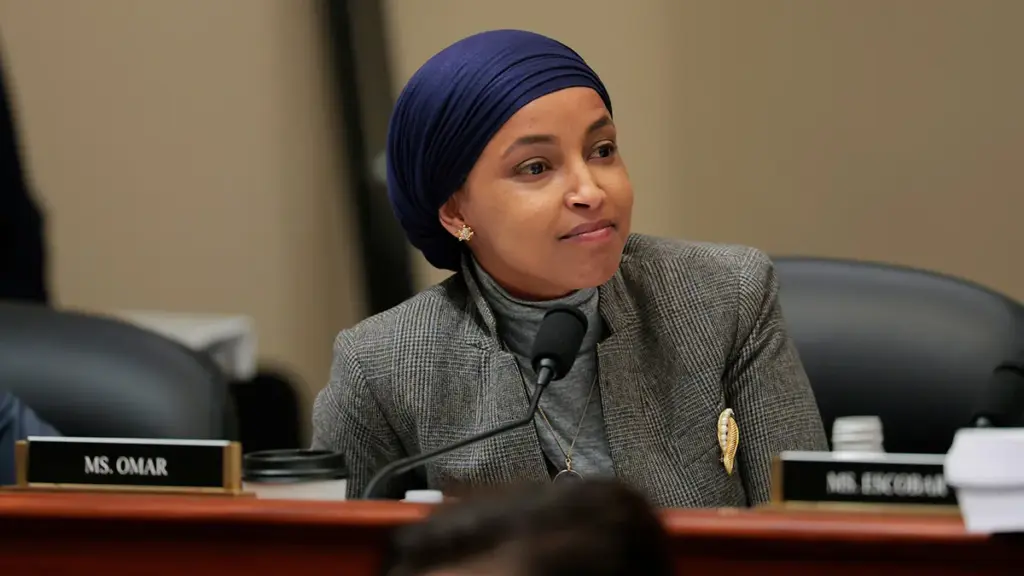
Public reaction was swift and varied. Among critics, the earmark became emblematic of the perceived pitfalls of identity-based political appeals in federal spending.
Many commentators argued that emotional appeals emphasizing “community need” or “representation” can sometimes overshadow rigorous scrutiny, creating openings for mismanagement or the appearance of favoritism. Conversely, supporters of Omar stressed that she was acting in good faith, attempting to address a real public health issue in her district.
They noted that addiction services, particularly those culturally tailored to immigrant communities, are often underfunded and overlooked by larger federal programs.
These supporters argued that critics were politicizing a legitimate public health effort, framing procedural concerns as personal attacks or political scandals.
The media’s role in amplifying the controversy cannot be overstated. Once the earmark was flagged, news outlets quickly circulated reports detailing the unusual organizational structure, while social media discussions often emphasized potential improprieties before the facts were fully verified.
The speed and intensity of coverage demonstrated the challenges that lawmakers face in ensuring that nuanced policy decisions are accurately represented in the public sphere.
For many readers, the combination of a Somali-run organization, concerns about oversight, and Omar’s public profile created a narrative that was difficult to separate from broader political biases and assumptions about immigrant communities.
Institutional oversight mechanisms also came under the spotlight. Federal watchdogs, including the Government Accountability Office (GAO) and congressional budget committees, were called upon to review the earmark approval process and assess whether standard checks and balances had been applied.
These reviews highlighted the importance of structured due diligence, including verification of organizational leadership, auditing of proposed budgets, and confirmation that the program could meet federal reporting standards.
Experts emphasized that these safeguards are essential not only to prevent fraud but also to maintain public trust in the allocation of taxpayer dollars. The Minneapolis example illustrated what can happen when even a well-intentioned process appears to fall short in transparency or documentation.

The controversy also touched on broader political dynamics in Minnesota and beyond. The state has a recent history of high-profile fraud cases involving federally funded programs, particularly within Somali-run nonprofits.
Incidents involving daycare and food programs had previously drawn national attention, creating a heightened level of public skepticism toward similar funding efforts.
Against this backdrop, even an earmark with clear public health intentions could quickly become politicized, reinforcing the perception that federal dollars are vulnerable to misuse when oversight is inadequate.
While investigations have not linked Omar’s earmark to any wrongdoing, the optics of the situation contributed to national debate about accountability, representation, and the challenges of equitable federal funding.
In addition to political implications, the episode raised questions about public confidence and institutional trust. Americans increasingly view government programs through a lens of skepticism, particularly when funding decisions appear opaque or are tied to identity-based advocacy.
The collapse of Omar’s earmark served as a cautionary example, illustrating that even routine legislative actions can influence perceptions of fairness and governance.
Analysts pointed out that this effect extends beyond one representative or one organization; it can shape broader attitudes toward federal spending, community-based initiatives, and the perceived impartiality of elected officials.
Finally, the incident reinforces the delicate balance lawmakers must maintain between addressing community-specific needs and ensuring rigorous oversight. Addiction treatment programs, particularly those tailored to immigrant populations, are crucial in filling service gaps and providing culturally competent care.
However, the procedural integrity of funding mechanisms is equally important to ensure that taxpayer dollars are used effectively and transparently.
The Minnesota earmark controversy illustrates that achieving both objectives requires careful planning, comprehensive vetting, and proactive communication with the public to maintain trust.
In conclusion, the story of the collapsed $1 million earmark represents far more than a single budgetary adjustment. It is a window into the complexities of federal spending, oversight, and public perception in contemporary American politics.
By highlighting issues of transparency, governance, and accountability, the episode serves as a reminder that even well-intentioned allocations are subject to scrutiny and must meet rigorous standards.
For lawmakers, watchdogs, and the public alike, it underscores the enduring principle that trust in government depends not just on the objectives of funding, but on the processes that govern its distribution.
As debates over earmarks, identity-based representation, and federal oversight continue, the lessons from Minneapolis will remain relevant: careful vetting, clear communication, and unwavering adherence to transparency are essential to sustaining confidence in both institutions and elected officials.
