
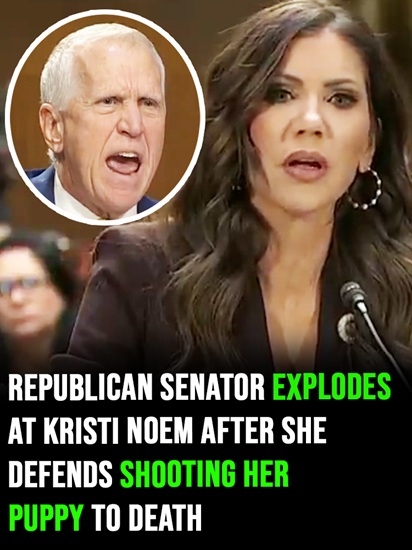
Homeland Security Secretary Kristi Noem has once again become a central figure of political conversation in Washington, D.C., following a tense and highly scrutinized Senate Judiciary Committee hearing on March 3, 2026.
What began as a routine oversight session examining immigration enforcement and border security escalated rapidly into a larger debate over Noem’s leadership style, decision-making record, and public persona.
The hearing drew particular attention because of passages from her 2024 memoir, No Going Back: The Truth on What’s Wrong with Politics and How We Move America Forward, which surfaced in the media in connection with the committee’s questions. These passages, recounting her personal experiences managing her South Dakota farm and difficult decisions involving animals, became a flashpoint in a discussion that intertwined policy, ethics, and public perception.
The hearing reflected broader partisan and ideological divides over the role of personal character in public office, the responsibilities of Department of Homeland Security (DHS) leadership, and the proper scope and execution of immigration enforcement policies.
Observers noted that the session illustrated the increasing tendency of congressional oversight hearings to scrutinize not only official actions but also personal narratives and public statements that may signal character and judgment.
Operation Metro Surge and the Fallout
Central to the discussion was the DHS-led immigration enforcement initiative known as Operation Metro Surge, which began in January 2026 in the Minneapolis–Saint Paul metropolitan area. The operation involved coordinated sweeps by Immigration and Customs Enforcement (ICE) agents alongside other federal law enforcement bodies. Its goal, according to DHS briefings, was to apprehend individuals in violation of federal immigration laws, including those with prior criminal convictions or connections to organized crime.

However, the operation quickly became controversial due to a tragic outcome: two U.S. citizens, Renée Good and Alex Pretti, were fatally shot during enforcement actions. Initial reports described chaotic field conditions, but video evidence and eyewitness accounts challenged some early characterizations of the events. Lawmakers, journalists, and advocacy groups criticized the operation, questioning both the planning and execution, and highlighting the lethal consequences that affected innocent citizens.
During the hearing, senators asked pointed questions about how DHS prepared for such operations, the intelligence and risk assessments that guided agent actions, and whether proper protocols were followed to protect both federal officers and civilians. Critics accused DHS under Noem’s leadership of emphasizing enforcement statistics—arrests, deportations, and seizures—over cautious, intelligence-based operations that prioritize public safety.
Noem, in turn, defended the department’s record, emphasizing that agents acted under challenging and unpredictable circumstances. She also highlighted enforcement achievements, such as apprehending individuals linked to criminal gangs and human trafficking operations, asserting that such successes demonstrate the department’s commitment to national security.
Controversial Characterizations and Public Statements
Noem’s testimony became particularly contentious because of statements she made in public and during internal briefings following the Minnesota operations. In multiple interviews and press statements, she described the deceased individuals as “agitators” and “domestic terrorists,” language that drew immediate pushback from both Democratic and Republican lawmakers.
Evidence later surfaced suggesting that these characterizations were inaccurate, based on initial chaotic reports rather than verified facts. Despite criticism, Noem refused to retract her statements, explaining that she relied on preliminary field intelligence and framing her comments as reflective of the confusion in rapidly unfolding law enforcement situations.
Her approach sparked a heated discussion about accountability and the responsibilities of a federal official in controlling both operations and the narrative surrounding those operations. Legal experts, former DHS officials, and analysts debated whether her statements constituted political spin, misjudgment, or a broader pattern of prioritizing a forceful public image over measured, fact-based communication.
Senator Thom Tillis Raises Personal Leadership Questions
While most congressional oversight hearings focus on operational details and policy evaluations, this session stood out because Senator Thom Tillis (R-NC) went beyond traditional scrutiny of immigration enforcement. Tillis, a Republican not seeking reelection in 2026, delivered unusually pointed criticism of Noem’s personal judgment, linking it directly to her 2024 memoir.

A central moment occurred when Tillis referenced a passage in which Noem recounted the euthanization of her 14-month-old hunting dog, Cricket, which she deemed untrainable and potentially dangerous after a series of failed training attempts. The story, originally published in excerpts by The Guardian in 2024, had already generated public debate over its ethical implications and whether it reflected leadership qualities.
During the hearing, Tillis framed the incident as a cautionary tale, connecting her personal farm decisions to broader questions about her judgment in federal leadership. “I train dogs, alright? And you are a farmer. You should know better,” Tillis said. “You decided to kill that dog because you had not invested the appropriate time in training, and then you have the audacity to go into a book and say it’s a leadership lesson about tough choices.”
Tillis also brought up another anecdote from the memoir, in which Noem described euthanizing a male goat she labeled as “nasty and mean.” He contrasted these personal stories with the complex, life-and-death operational decisions facing DHS leadership, suggesting that her approach to animals may be indicative of questionable judgment or insufficient deliberation under pressure.
Observers noted that Tillis’s use of personal anecdotes from Noem’s memoir in an official oversight hearing was unusual and generated widespread media attention. While some commentators criticized Tillis for conflating private life with public responsibility, others argued that character and decision-making in personal contexts can offer insights into how officials handle high-stakes situations.
Following Senator Tillis’s pointed questions and references to her memoir, the focus of public discourse shifted from the operational details of DHS enforcement to Kristi Noem’s personal narratives and how they intersect with her role as a federal leader. In her 2024 book, No Going Back: The Truth on What’s Wrong with Politics and How We Move America Forward, Noem offered candid stories from her life on a South Dakota farm long before she joined the federal government. While intended to illustrate lessons in decision-making, responsibility, and perseverance, the publication of certain passages has become a lightning rod for criticism and political debate.
The Story of Cricket and Its Implications
One passage that garnered significant attention involved Cricket, a 14-month-old wirehaired pointer that Noem described as untrainable for hunting purposes and increasingly aggressive toward livestock. According to Noem, after multiple attempts to train Cricket—including obedience techniques, electronic collars, and structured hunting sessions—she concluded that the dog posed too great a risk to property and safety. Ultimately, she decided to euthanize the dog herself.
Noem framed the decision as a painful but necessary lesson in leadership and responsibility, emphasizing that effective management often requires confronting difficult choices directly and decisively. In her book, she wrote: “It was not a pleasant job, but it had to be done.” The story was meant to convey the weight of leadership responsibilities and the necessity of making tough decisions in real-world situations where there are no easy answers.
However, in the context of the Senate hearing, this anecdote was scrutinized for what critics described as moral insensitivity and questionable judgment. Animal welfare advocates and some members of the public expressed horror at the account, suggesting that describing the killing of a young dog as a “lesson in leadership” demonstrated a lack of empathy or a troubling perspective on life-and-death decisions. Social media amplified these reactions, with posts debating both the ethical dimensions of the story and its relevance to Noem’s capacity to lead a federal agency responsible for national security.

The Goat Incident and Broader Symbolism
A second story from Noem’s memoir involved a male goat on her family farm. She described the animal as “nasty and mean,” largely because it was uncastrated and had become aggressive, chasing children and disrupting farm operations. According to Noem, after consulting family members and evaluating potential options, she again made the difficult decision to euthanize the goat. In her book, this story paralleled the dog narrative, illustrating the challenges of leadership in situations where risk, safety, and responsibility intersect.
Senator Tillis used both anecdotes to make a broader point about Noem’s judgment, suggesting that the handling of these personal, high-stakes situations might reflect patterns of decision-making that could manifest in her professional life at DHS. Critics argued that a leader’s willingness to make unilateral, emotionally detached decisions—even on a farm—raises questions about temperament and ethical reasoning when the stakes involve human lives or public trust.
Media, Public, and Political Response
The resurfacing of the memoir excerpts in the hearing ignited intense discussion across multiple platforms. News organizations, opinion writers, and social media commentators dissected the stories, often drawing lines between Noem’s personal history and her current federal responsibilities. Some outlets focused on ethical concerns and the optics of how a federal official narrates life-and-death decisions. Others framed it within a cultural lens, highlighting rural and farming perspectives where euthanizing untrainable or dangerous animals is sometimes viewed as a regrettable but necessary act.
Supporters of Noem, particularly those with farming or ranching backgrounds, defended her actions, emphasizing that animal husbandry often entails difficult decisions that must be made for safety, property protection, and operational efficiency. They argued that Noem’s transparency in sharing these stories demonstrated authenticity, courage, and a willingness to discuss challenging subjects openly—qualities that can be valuable in leadership.
Meanwhile, detractors used the memoir passages to question her empathy, moral judgment, and fitness to manage an agency that oversees national security and enforcement operations affecting countless people. Legal analysts and political commentators debated whether the public discussion of her personal anecdotes had substantive relevance to DHS responsibilities or if it primarily functioned as a politically charged distraction.
Policy and Operational Critiques: Beyond Personal Stories
The memoir controversy did not occur in a vacuum; it was intertwined with substantive critiques of Noem’s tenure as DHS Secretary. In addition to questions about Operation Metro Surge, lawmakers and observers raised broader concerns about departmental priorities, communication strategies, and operational planning.
- Immigration Enforcement and Civil Liberties: Critics argued that DHS under Noem had sometimes emphasized rapid enforcement over meticulous risk assessment, potentially endangering both officers and civilians. The Minnesota operations highlighted these tensions, and lawmakers pressed Noem on whether oversight and intelligence were sufficient to prevent tragedies.
- FEMA and Disaster Management: Some Democratic and Republican senators scrutinized Noem’s handling of emergency relief programs under FEMA, raising questions about response efficiency, transparency in funding allocations, and communications with affected communities during natural disasters.
- DHS Spending and Public Relations: Additional attention was given to expenditures on advertising campaigns and public messaging. Opponents questioned whether resources were being allocated appropriately, particularly in contrast with operational needs and frontline personnel support.
- Communication Strategy and Public Statements: The language used by Noem in describing events—including calling deceased citizens “agitators” or “domestic terrorists”—remained a focal point. Analysts noted that the rhetoric, while perhaps intended to project decisiveness, risked eroding public trust and complicating congressional oversight.
The interplay between personal narrative, operational decisions, and public perception became a central theme. Political strategists observed that in today’s environment, personal stories can rapidly influence public opinion, shaping narratives about leadership, ethics, and accountability. Noem’s memoir became not just a book but a lens through which her professional conduct was evaluated, illustrating how private history and public office increasingly intersect in the digital age.
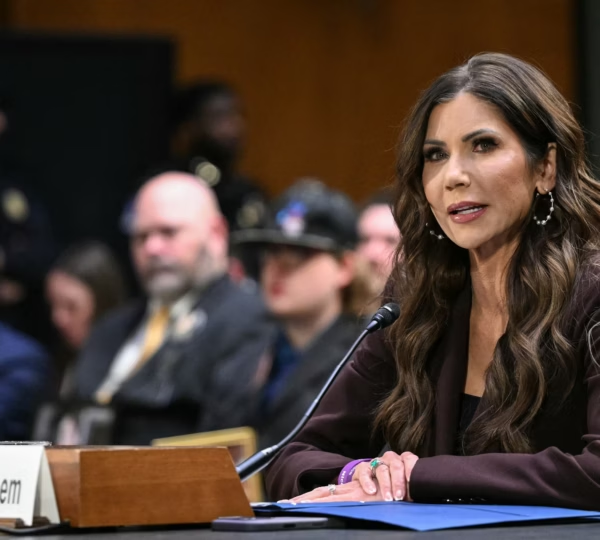
Despite the intense scrutiny during the Senate hearing, Kristi Noem has shown no indication that she plans to resign from her position as Secretary of Homeland Security. In interviews and public statements following the session, she consistently defended her record, framing both the Minnesota operations and her personal narratives as demonstrations of tough but necessary decision-making.
According to Noem, effective leadership—whether on a farm or within a federal agency—requires confronting difficult circumstances directly, making decisions under uncertainty, and balancing safety, security, and responsibility.
Noem’s Defense and Framing of the Memoir
In defending the controversial passages from No Going Back, Noem emphasized the distinction between metaphorical lessons drawn from personal experience and literal operational competence in federal service. She argued that including the stories of Cricket the dog and the aggressive goat was intended to illustrate the weight of responsibility, the need for decisive action, and the moral complexities leaders face when outcomes carry real consequences.
“No one enjoys making these choices,” Noem said in a post-hearing briefing, referencing both her personal anecdotes and the enforcement operations at DHS. “Leadership is not about avoiding hard decisions; it’s about making the right ones, even when they are unpopular or uncomfortable.”
Supporters have cited these statements as evidence of her authenticity and willingness to share life lessons, arguing that transparency about past decisions—even controversial ones—can strengthen public trust by demonstrating accountability and ethical reasoning. They point out that in rural and agricultural contexts, euthanizing animals that pose a risk to people or property is often considered prudent and legally permissible, framing her actions as consistent with widely accepted standards for farm management.
Political Support and the Trump Administration
President Donald Trump, who appointed Noem to her Cabinet role, reiterated his support for her tenure following the hearing. In a statement released by the White House, Trump praised Noem’s handling of border security, citing her leadership in Operation Metro Surge, large-scale drug seizures, and the apprehension of known criminal actors. He characterized her critics as overlooking the complexities and dangers inherent in federal enforcement work.
Trump’s backing has political significance, particularly as Noem navigates a climate in which media narratives and partisan debate can rapidly shape public perception. Analysts note that the President’s endorsement signals continued confidence in her leadership and may shield her from immediate political consequences, even amid calls for resignation from individual senators such as Thom Tillis.
Congressional and Legislative Oversight: What’s Next
Following the March 3 hearing, Noem is expected to testify before the House Homeland Security Committee. This upcoming session is likely to revisit the Minnesota operation in detail, examining not only enforcement procedures and operational planning but also the department’s broader priorities, allocation of resources, and balancing of civil liberties with national security objectives.
Lawmakers from both parties have indicated that they will probe further into:
- Operational Safety Measures: Were agents adequately trained and equipped to handle high-risk enforcement activities? Were protocols followed to minimize civilian risk?
- Decision-Making Structures: How does DHS assess and authorize operations of this magnitude? Are there sufficient checks and accountability measures in place?
- Public Communication and Transparency: How does the department manage messaging following controversial operations, and what steps are taken to ensure factual accuracy and avoid inflaming tensions?
- Resource Allocation and Budget Oversight: How does DHS balance spending between operational needs, advertising campaigns, and emergency preparedness?
These sessions will not only assess Noem’s immediate management decisions but may also influence broader legislative debates about the role of immigration enforcement, the powers of DHS, and oversight mechanisms for federal law enforcement agencies.
Broader Cultural and Political Implications
The controversy surrounding Noem illustrates a wider cultural phenomenon in U.S. politics, where personal narratives, memoirs, and even decades-old anecdotes can rapidly become focal points in assessing leadership and accountability. In an era dominated by social media, viral content, and 24/7 news cycles, even stories that originated in private life can take on outsized significance, influencing public opinion, media framing, and political strategy.

For Noem, the tension lies between authentic storytelling and public interpretation. Her candid discussion of difficult farm decisions offers insights into her willingness to confront challenging situations and take responsibility, yet these same stories have been weaponized by critics as evidence of perceived moral or ethical shortcomings. Political strategists note that navigating this landscape requires careful messaging, both in framing personal narratives and in responding to operational scrutiny.
Observers also emphasize the role of partisan polarization in shaping reactions. Supporters view Noem’s actions as demonstrations of courage, decisiveness, and rural pragmatism. Critics see the anecdotes as reflective of poor judgment or insensitivity, raising broader questions about character assessment in public office. The intersection of personal life, professional responsibility, and media amplification underscores the heightened scrutiny leaders face in contemporary politics.
Implications for Noem’s Political Future
While the immediate controversy centers on her DHS role, analysts speculate that these discussions may have long-term effects on Noem’s political trajectory. How she responds to congressional scrutiny, media criticism, and public debate could shape perceptions of her leadership qualities, influencing potential future campaigns or appointments.
Key factors include:
- Credibility and Accountability: Whether she demonstrates transparency and responsiveness to oversight inquiries.
- Public Perception: The degree to which voters, advocacy groups, and media audiences view her actions as ethically grounded and operationally competent.
- Political Alliances: The strength of her support within the Trump administration and among congressional allies.
- Policy Record: Evidence of tangible successes in law enforcement, border security, emergency management, and civil liberties protections.
Noem’s ability to balance these factors may determine her resilience amid ongoing scrutiny and political challenges. While some commentators argue that the memoir stories and enforcement controversies could hinder her long-term prospects, others suggest that her straightforward, unapologetic approach may reinforce a persona of resolute leadership for supporters who value toughness and decisiveness in public office.
Conclusion: Leadership, Accountability, and the Modern Political Lens
The March 3, 2026, Senate hearing, and the discussions surrounding Kristi Noem’s memoir, highlight a broader evolution in American political culture: the convergence of personal narrative, public scrutiny, and operational accountability. Leaders are increasingly evaluated not only on policy outcomes but also on how their personal decisions, ethical perspectives, and communication style resonate with a diverse and digitally connected public.
For Noem, the convergence of personal memoir anecdotes, enforcement controversies, and public perception creates both challenges and opportunities. While critics interpret her stories as indicative of questionable judgment, supporters frame the same examples as evidence of authenticity, decisiveness, and willingness to confront difficult realities—qualities that define leadership in both rural and federal contexts.
As congressional oversight continues and public debate unfolds, the case of Kristi Noem serves as a vivid example of the modern political environment, where every personal choice, public statement, and leadership decision can be scrutinized, amplified, and interpreted through multiple lenses. Whether this scrutiny ultimately strengthens or undermines her position within the administration, and her broader political influence, remains an evolving story that will continue to capture the attention of lawmakers, media, and citizens alike.

