
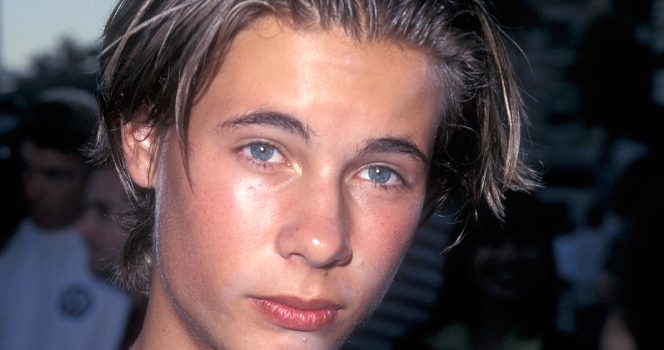
Erik von Detten’s journey from a shy San Diego child to one of the most recognizable young stars of the late 1990s and early 2000s is a story of talent, timing, and deliberate life choices. He never set out to become famous, and his career began almost entirely by accident. Yet through a combination of skill, opportunity, and perseverance, Erik carved out a memorable place in Hollywood history.
Even as his career flourished, Erik maintained a sense of perspective, understanding early on that fame is fleeting. He consistently prioritized stability, family, and personal fulfillment over the relentless pursuit of stardom. His story offers insight not only into the highs and lows of child acting but also into the life decisions that allow one to step away from Hollywood while maintaining dignity, success, and fan admiration.
Early Life in San Diego
Erik von Detten was born October 3, 1982, in San Diego, California, to a supportive and attentive family. From a young age, he displayed a quiet independence and a love for imaginative play. Unlike many children who dream of performing on stage, Erik’s interest in acting wasn’t deliberate. Instead, he spent much of his free time recreating fight scenes and action sequences from movies he loved, developing an early understanding of storytelling, character, and physicality that would later serve him well in his career.
His older sister was actively involved in auditioning for roles, and it was during one of these outings that talent agents noticed Erik. “Agents thought I was a cute kid,” Erik later recalled. That chance observation set him on a path to professional acting even before he turned ten years old.
By 1992, Erik landed Nicholas Alamain on the legendary soap opera Days of Our Lives. At just 10 years old, he was entrusted with storylines that required emotional depth and dramatic range, proving his ability to perform alongside seasoned adult actors. This early exposure laid the groundwork for his skill set and introduced him to the realities of Hollywood: long hours, intense schedules, and the need for professionalism at a young age.
Balancing School and Hollywood
Acting at a young age comes with significant challenges, particularly regarding education and personal development. Erik’s parents were cautious about the pressures of the entertainment industry, especially for someone so young. His father was initially wary, concerned about the potential impact on Erik’s schooling and childhood. However, both parents ultimately supported his involvement in acting.
One of the most attractive aspects for young Erik was the reduced school hours. “When my mother proposed it to me, one of the key selling points was the fact that I wouldn’t have to go to school seven hours a day,” he recalled. “I’d have just three hours with a private tutor on set—and I was sold.”
Despite this reduction, his mother enforced strict boundaries. She ensured Erik attended necessary tutoring, remained grounded, and was shielded from the negative influences that often accompany child stardom. Erik attributes much of his ability to avoid early pitfalls to this combination of parental oversight and his own moral compass.
“There are situations when drugs are offered at parties or whatever,” he said. “I always had the moral compass to know that’s just a one-way street. Probably just a combination of upbringing and personal values. So yeah, I survived.”
This solid foundation allowed him to thrive in the industry during the late 1990s, a period when many young actors struggled to maintain stability amid rising fame.
Breakthrough Roles in Family Television
From 1995 to the early 2000s, Erik became a staple of family entertainment. He appeared in television movies, Disney Channel projects, and CBS dramas, steadily building a resume that combined both live-action and voice acting.
One of Erik’s most memorable early contributions to animation came in 1995 when he voiced Sid Phillips in Pixar’s Toy Story. Sid’s mischievous personality left a lasting impression on audiences, and the role helped establish Erik as a versatile performer capable of adapting to different mediums. Following this, he contributed voice work to Tarzan, The Legend of Tarzan, and Disney’s Recess films, further cementing his presence in children’s entertainment.
In 1998, Erik captured the hearts of a generation with his role as Andy “Brink” Brinker in Disney Channel’s Brink!. The film, which revolves around rollerblading competitions and teen camaraderie, became a defining project for millennial audiences. Brink! highlighted Erik’s charisma and athleticism, combining comedy, heart, and action in a way that resonated widely with fans.
From 1999 onward, Erik expanded his portfolio with a mix of television series and made-for-TV movies. He starred in ABC’s Odd Man Out, took roles in Dinotopia, and appeared in the family sitcom Complete Savages. However, it was 2001’s The Princess Diaries that provided Erik with his first mainstream breakthrough. Playing Josh Bryant, the blonde high school heartthrob, he won a wider audience and became part of a film that remains culturally significant. Erik later joked that the role made dating complicated:
“Girls would definitely want to wait a few extra dates just to make sure I wasn’t really that guy.”
Despite fame, Erik kept in touch with very few co-stars. His strongest professional relationships were with Patrick Levis, his co-star from Brink! and So Weird.
Transition to a Stable Career
By the mid-2000s, Erik noticed a natural shift in the availability of acting roles. The entertainment landscape was changing, and Hollywood offered no guarantees of long-term stability. Streaming platforms were not yet prominent, and opportunities for actors in his category were limited. Erik, who had long valued personal stability, began to focus on building a future outside of show business.
At age 25, he took a job at a commodities brokerage, prioritizing consistent income over Hollywood glamour. This transition allowed him to step away from acting while creating a life he could rely on.
During this period, Erik met Angela, the woman who would become his wife. Their meeting was serendipitous: introduced by a colleague without sharing last names, they couldn’t Google each other in advance. Upon seeing Erik, Angela recognized him immediately and laughed: “Oh my gosh, no way. That’s you.”
Angela, a licensed real estate agent fluent in Mandarin with Taiwanese heritage, has joked that Erik’s past fame helps her business. “It helps business—and she gets a kick out of it,” Erik remarked.
Family Life
By 2024, Erik and Angela were raising three young children, ages 1, 3, and 5. Erik has often described his home life as “knee-deep in diaper duty and crying kiddos,” reflecting both humor and the realities of parenthood. He expresses excitement about introducing his children to rollerblading, nodding to his Brink! legacy.
Family life became Erik’s primary focus, providing balance and fulfillment away from the pressures of Hollywood. His choice to prioritize family over career illustrates a rare and intentional path among former child stars, many of whom struggle to navigate life outside the limelight.
Return to Acting
Though Erik largely stepped away from Hollywood, he never entirely abandoned his craft. Over the years, he has returned selectively to projects that offer low-pressure creative opportunities. These included:
- A local Santa Monica holiday play
- A cameo in a Netflix pilot
- The 2024 TV movie My Acting Coach Nightmare
In 2024, Erik also surprised fans with a rare Instagram video, humorously announcing:
“This is my once-every-five-years Instagram post.”
The response from fans was immediate and enthusiastic:
- “How have you not aged at all?”
- “90’s Heartthrob 😍”
- “Still 🔥🔥🔥🔥🔥”
Even after years away from mainstream acting, Erik’s fan base remained loyal, highlighting the lasting impact of his early career. Reflecting on his journey, Erik said:
“My hat’s off to actors who are able to maintain a steady career for 30 years. Talent alone isn’t always enough.”
For Erik, stepping back from Hollywood was not about quitting. It was about choosing a life that aligned with his values and offered long-term stability.
Legacy and Lessons
Erik von Detten’s story is not merely a tale of childhood fame; it is a testament to resilience, foresight, and intentional life choices. From his early days on Days of Our Lives, through Disney Channel classics like Brink!, to mainstream recognition in The Princess Diaries, Erik maintained professionalism and balance in an industry known for instability.
His experiences demonstrate that success in Hollywood is not solely about talent or fame but about managing opportunities, understanding personal priorities, and maintaining a moral compass. By prioritizing family and stability, Erik avoided the pitfalls that affected many of his peers, creating a fulfilling life outside the public eye.
Now a devoted husband, father, and occasional performer, Erik von Detten exemplifies how one can achieve fame without letting it define life. His story serves as a reminder that happiness, purpose, and stability often hold more value than recognition, awards, or celebrity.
Conclusion
Erik von Detten remains an iconic figure for 1990s audiences while also serving as a modern example of life choices that prioritize personal fulfillment. His career, though punctuated by early fame and success, ultimately reflects a conscious decision to embrace stability, family, and meaningful work beyond Hollywood’s glare. For fans, aspiring actors, and observers of child stardom, Erik’s life is a testament to balance, resilience, and the enduring power of making choices aligned with one’s true values.
