
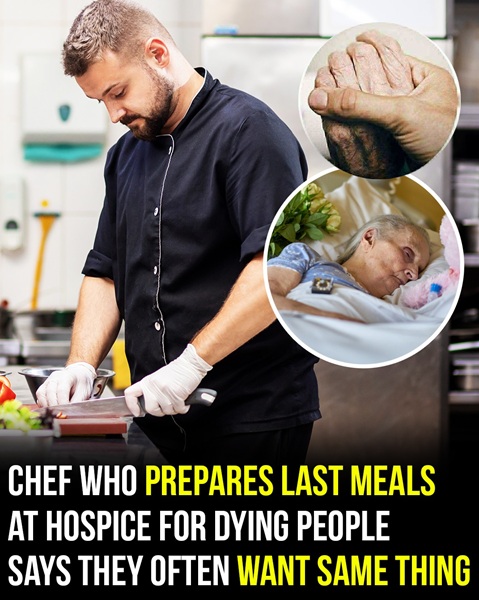
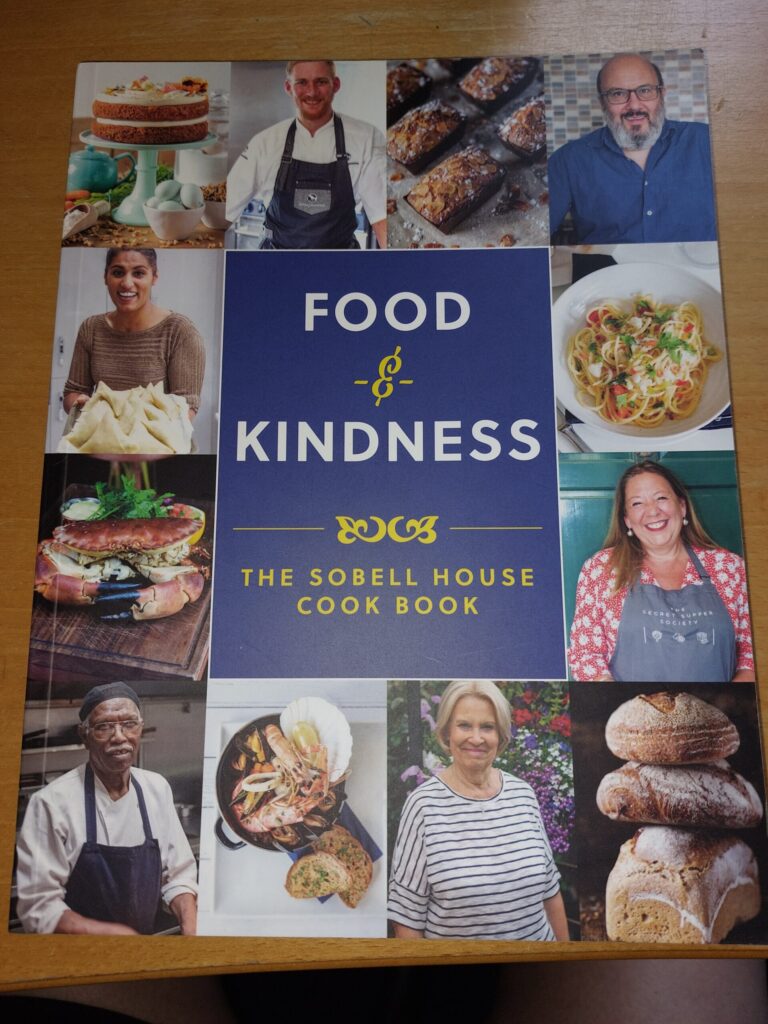
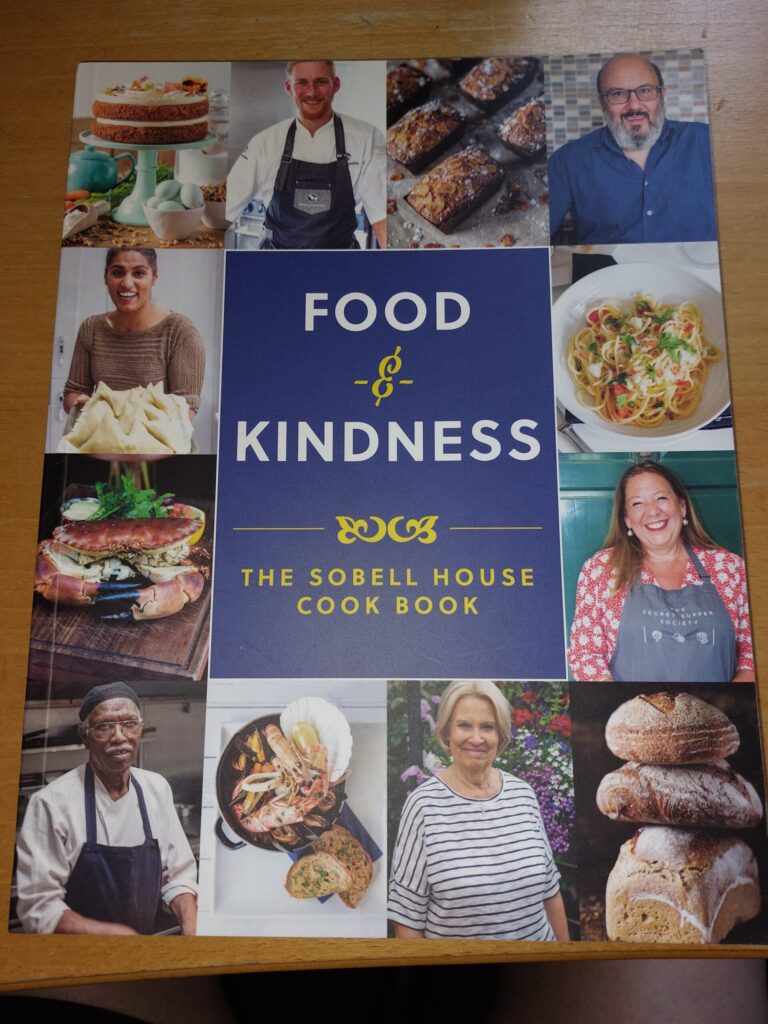
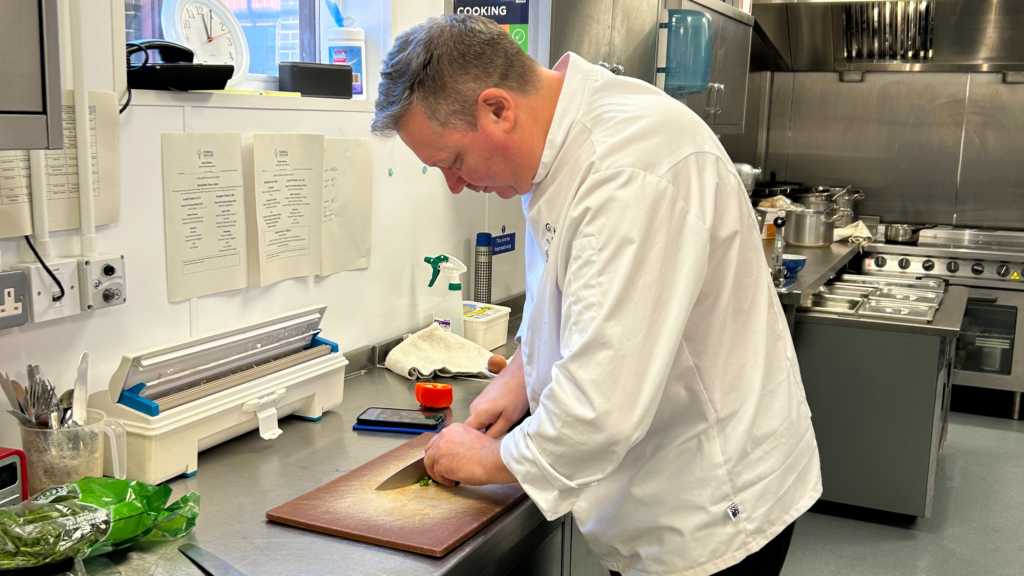
At Sobell House Hospice in Oxfordshire, Spencer Richards isn’t just a chef — he is a curator of memories, emotions, and dignity.
For terminally ill patients, the food they eat in their final days is more than sustenance; it is a link to their past, a comfort in their present, and sometimes.
A way to celebrate moments they thought they would never experience. Richards believes his role goes beyond cooking; it is a calling that demands both skill and empathy. “There can be no greater honor as a chef than serving someone their final meal,” Richards told the Mirror.
For him, each plate represents more than nutrition — it is emotional care translated through taste and aroma.
The hospice environment is unique. Patients arrive at different stages of illness, often facing challenges such as loss of appetite, difficulty swallowing, or altered taste sensations due to medications. Navigating these complexities requires both culinary knowledge and deep human understanding.
Personalizing Meals for Patients
Richards shared a story about a young patient, just 21 years old, who struggled to connect with the standard hospice menu. While many meals at the hospice follow balanced nutritional guidelines, this patient’s preferences diverged from the usual offerings.
Through conversation, Richards discovered that the young man loved street food — flavors bold and dynamic, reminiscent of his favorite eateries. Taking this into account, Richards adapted his cooking to match the patient’s taste preferences, creating dishes that felt personal, comforting, and familiar. These small gestures, he emphasizes, are monumental in a hospice setting.
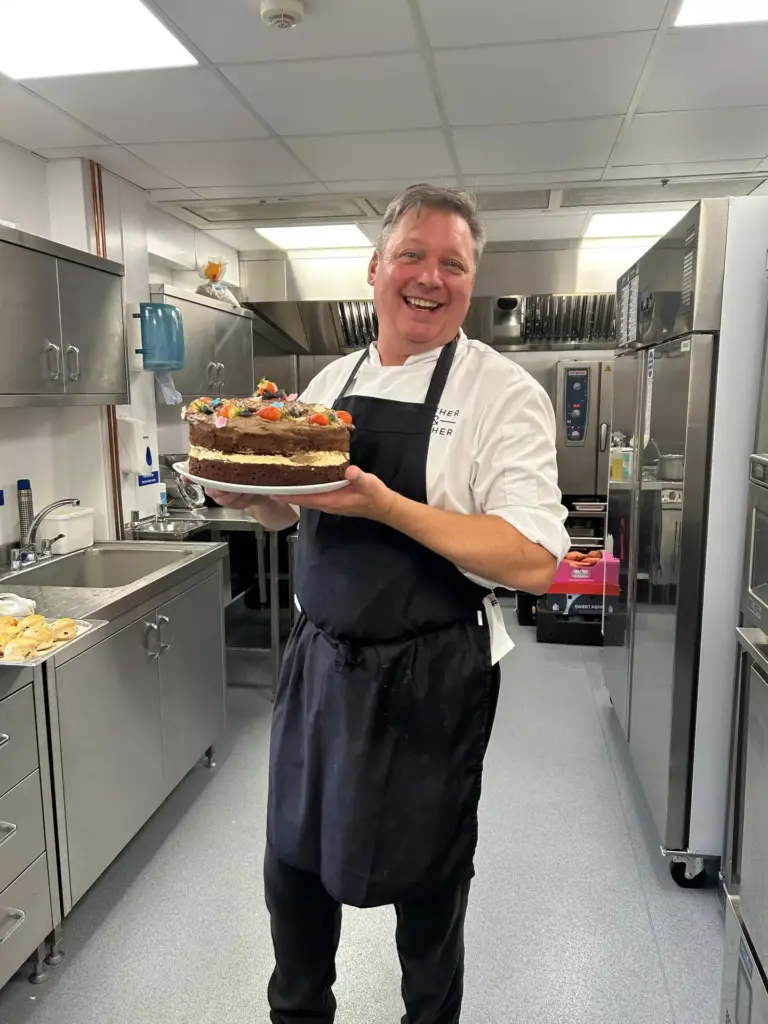
Another poignant example comes from an elderly patient, a 93-year-old woman who had never celebrated a birthday in her long life. Richards took it upon himself to bake a birthday cake for her, ensuring the moment was both memorable and joyful.
“She was in tears. She was absolutely over the moon,” he recalled. These cakes are among the most common requests at Sobell House, demonstrating the emotional significance of food as a form of celebration, memory, and connection, even in the final days of life.
Overcoming Challenges in Hospice Cooking
Cooking for terminally ill patients is rarely straightforward. Physical limitations, medication side effects, and disease progression often influence what a patient can eat.
Many cancer patients develop heightened sensitivity to flavors, sometimes craving sweetness while becoming overly sensitive to salt or spices. Dysphagia, the difficulty in swallowing, requires chefs to adapt textures, creating purées, soft foods, or modified meals that are safe to consume without compromising taste or dignity.
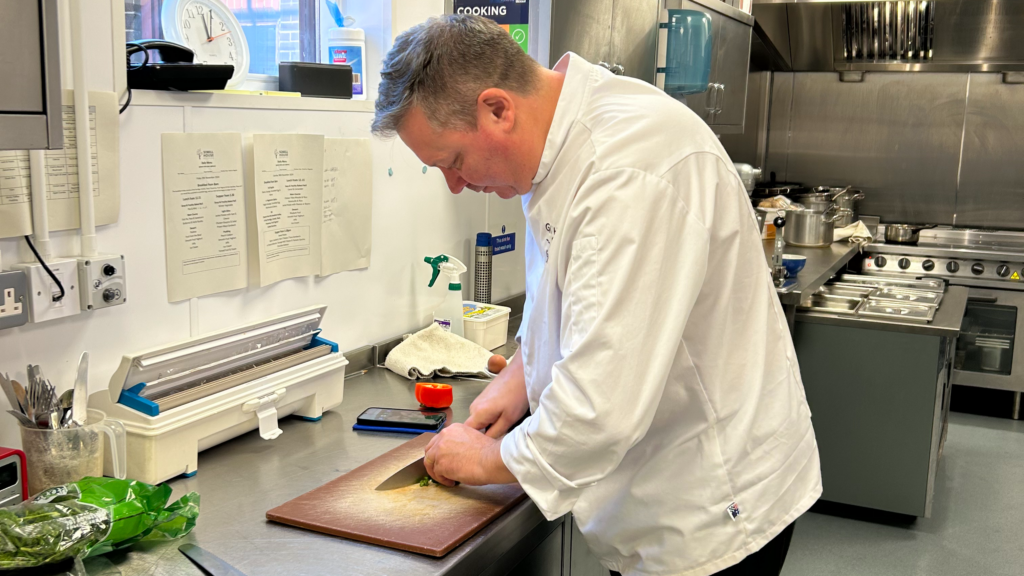
Richards approaches these challenges with creativity and compassion. Every adjustment is made with the goal of nourishment and emotional comfort, ensuring that the food is enjoyable, satisfying, and evocative of positive memories.
“Food is a powerfully emotive medium — it can summon childhood memories and create new lasting ones,” he explains. A simple dish, when thoughtfully prepared, can transport a patient back to moments of joy, laughter, or familial warmth.
The Emotional Role of a Hospice Chef
For Richards, every meal is more than ingredients and cooking techniques; it is a moment of care, connection, and dignity. In hospice care, the kitchen becomes a place where memories are honored, celebrations are created, and comfort is offered in ways that words sometimes cannot achieve.
Patients’ requests are not just preferences — they are expressions of identity, culture, and personal history. Catering to these requests requires sensitivity, patience, and an understanding of the profound impact of food on the human spirit.
Some patients request childhood favorites, like roast dinners, puddings, or comfort foods that remind them of family gatherings. Others may ask for ethnic or culturally significant meals, reflecting their heritage or personal journey.
Richards sees it as part of his responsibility to accommodate these requests whenever possible, blending culinary skill with emotional intelligence to craft meals that are meaningful on multiple levels.
Creating Moments of Joy in Final Days
Beyond the meals themselves, Richards emphasizes the importance of celebratory rituals. Birthday cakes, festive dinners, or themed meals allow patients and families to experience joy, connection, and normalcy, even in the midst of illness.
These moments often resonate long after the meal is over, leaving lasting memories for both patients and their loved ones.
Richards’ work illustrates a deeper truth: in hospice care, food transcends its biological purpose. It becomes a tool for emotional expression, a vehicle for dignity, and a bridge between patients, families, and caregivers. The act of preparing and serving these meals is a silent form of advocacy, affirming the humanity and individuality of each patient.
While the first part highlighted the emotional and personal role of a hospice chef, the second part delves into the practical, nutritional, and creative aspects of cooking for patients facing terminal illnesses, as well as the profound ways meals support families and caregivers.
Spencer Richards’ approach demonstrates that food is not only sustenance but a bridge to dignity, joy, and connection.
Tailoring Diets to Health Needs
Terminally ill patients often have complex medical and dietary requirements. Many experience loss of appetite, difficulty swallowing, or changes in taste due to medication or disease progression.
In cancer patients, for instance, chemotherapy can make foods taste metallic or overly bitter, while radiation may dry the mouth, making chewing and swallowing difficult.
Richards emphasizes flexibility and creativity. Soft foods, purees, and nutrient-dense smoothies are often used to ensure patients receive necessary calories and proteins without causing discomfort.
For those with specific cravings, he finds ways to blend taste with nutrition — for example, incorporating favorite flavors like chocolate, spices, or herbs into soft desserts or fortified puddings. By doing so, meals nourish both body and spirit, ensuring patients feel cared for and respected.
Emotional Resonance Through Food
Food carries powerful emotional significance, often evoking memories of family, childhood, or cultural traditions. Richards notes that these connections can be just as important as the nutritional content of a meal.
A traditional dish from a patient’s homeland, a dessert linked to family holidays, or a homemade bread reminiscent of childhood breakfasts can bring comfort and joy.
For many patients, these meals serve as a final opportunity to celebrate life’s milestones. Birthday cakes, holiday meals, or favorite comfort foods allow patients to experience happiness, even in limited circumstances. These experiences are amplified when shared with family members, creating lasting memories and moments of togetherness.
Creativity and Culinary Innovation
Adapting meals in hospice is not a matter of convenience — it is an art form. Richards often experiments with texture modifications, flavor intensification, and presentation, ensuring each dish is appealing and safe. For instance:
Pureed meals can be layered or molded to resemble traditional dishes, making them visually enticing.
Herbs and natural flavorings are used to enhance taste without adding excessive salt, accommodating sensitive palates.
Miniature portions of favorite foods allow patients to enjoy variety without overwhelming their appetite.
This creativity allows patients to feel normalcy and dignity despite the limitations imposed by illness. The sensory experience of a well-prepared meal—aroma, texture, and taste—can provide profound comfort, even if the meal is physically small.
Supporting Families and Caregivers
Hospice care is not only about patients; it also supports families and caregivers navigating emotional stress. Meals prepared by Richards provide moments of shared experience and relief.
Family members often report that seeing their loved one enjoy food, smile, or laugh during a meal brings emotional respite and a sense of hope, even in difficult times.
Special meals also give caregivers the chance to participate in celebratory rituals, such as birthdays or anniversaries, reinforcing family bonds and providing a sense of normalcy.
Richards often works closely with families, asking about preferences, dietary restrictions, and personal stories to create dishes that honor their loved one’s identity and legacy.
Small Gestures, Lasting Impact
Richards emphasizes that small gestures matter profoundly. A favorite soup, a childhood dessert, or a meal cooked to a patient’s exact preference can have psychological and emotional benefits that go beyond what medicine alone can provide. For isolated patients, these moments are particularly significant, offering connection, joy, and comfort in their final days.
The Broader Philosophy of Hospice Cooking
At Sobell House, the philosophy is clear: food is care, empathy, and advocacy manifested through taste and attention to detail. A hospice kitchen is not merely a space for preparing meals; it is a place where dignity, memory, and celebration are honored. Richards’ work demonstrates that culinary care can alleviate loneliness, spark joy, and create meaningful experiences, even when time is limited.
Integrating Nutrition with Emotional Care
Balancing nutritional needs with emotional preferences requires knowledge, patience, and attentiveness. Richards ensures that:
Meals are nutritionally adequate, supporting energy levels, hydration, and weight maintenance.
Food is adapted for texture or swallowing issues while remaining flavorful and visually appealing.
Personal preferences and memories are integrated into the menu, offering psychological comfort and joy.
By combining these elements, each meal becomes a holistic experience, nourishing body, mind, and soul.
Legacy Through Food
Ultimately, Richards’ approach highlights the lasting impact of compassionate culinary care. Patients leave hospice with memories of being seen, heard, and cared for, often tied to the meals they enjoyed.
Families remember the thoughtful attention to detail, the moments of laughter, and the celebrations that food facilitated.
In a setting where time is limited, Richards transforms every meal into an act of love, giving patients agency, comfort, and dignity. He demonstrates that cooking, when infused with empathy and purpose, can transcend physical nourishment, creating moments of meaning and connection that resonate long after the meal is finished.
While the first part highlighted the emotional and personal role of a hospice chef, the second part delves into the practical, nutritional, and creative aspects of cooking for patients facing terminal illnesses, as well as the profound ways meals support families and caregivers.
Spencer Richards’ approach demonstrates that food is not only sustenance but a bridge to dignity, joy, and connection.
Tailoring Diets to Health Needs
Terminally ill patients often have complex medical and dietary requirements. Many experience loss of appetite, difficulty swallowing, or changes in taste due to medication or disease progression. In cancer patients, for instance, chemotherapy can make foods taste metallic or overly bitter, while radiation may dry the mouth, making chewing and swallowing difficult.
Richards emphasizes flexibility and creativity. Soft foods, purees, and nutrient-dense smoothies are often used to ensure patients receive necessary calories and proteins without causing discomfort.
For those with specific cravings, he finds ways to blend taste with nutrition — for example, incorporating favorite flavors like chocolate, spices, or herbs into soft desserts or fortified puddings. By doing so, meals nourish both body and spirit, ensuring patients feel cared for and respected.
Emotional Resonance Through Food
Food carries powerful emotional significance, often evoking memories of family, childhood, or cultural traditions. Richards notes that these connections can be just as important as the nutritional content of a meal. A traditional dish from a patient’s homeland, a dessert linked to family holidays, or a homemade bread reminiscent of childhood breakfasts can bring comfort and joy.
For many patients, these meals serve as a final opportunity to celebrate life’s milestones. Birthday cakes, holiday meals, or favorite comfort foods allow patients to experience happiness, even in limited circumstances. These experiences are amplified when shared with family members, creating lasting memories and moments of togetherness.
Creativity and Culinary Innovation
Adapting meals in hospice is not a matter of convenience — it is an art form. Richards often experiments with texture modifications, flavor intensification, and presentation, ensuring each dish is appealing and safe. For instance:
Pureed meals can be layered or molded to resemble traditional dishes, making them visually enticing.
Herbs and natural flavorings are used to enhance taste without adding excessive salt, accommodating sensitive palates.
Miniature portions of favorite foods allow patients to enjoy variety without overwhelming their appetite.
This creativity allows patients to feel normalcy and dignity despite the limitations imposed by illness. The sensory experience of a well-prepared meal—aroma, texture, and taste—can provide profound comfort, even if the meal is physically small.
Supporting Families and Caregivers
Hospice care is not only about patients; it also supports families and caregivers navigating emotional stress. Meals prepared by Richards provide moments of shared experience and relief. Family members often report that seeing their loved one enjoy food, smile, or laugh during a meal brings emotional respite and a sense of hope, even in difficult times.
Special meals also give caregivers the chance to participate in celebratory rituals, such as birthdays or anniversaries, reinforcing family bonds and providing a sense of normalcy. Richards often works closely with families, asking about preferences, dietary restrictions, and personal stories to create dishes that honor their loved one’s identity and legacy.
Small Gestures, Lasting Impact
Richards emphasizes that small gestures matter profoundly. A favorite soup, a childhood dessert, or a meal cooked to a patient’s exact preference can have psychological and emotional benefits that go beyond what medicine alone can provide.
For isolated patients, these moments are particularly significant, offering connection, joy, and comfort in their final days.
The Broader Philosophy of Hospice Cooking
At Sobell House, the philosophy is clear: food is care, empathy, and advocacy manifested through taste and attention to detail. A hospice kitchen is not merely a space for preparing meals; it is a place where dignity, memory, and celebration are honored. Richards’ work demonstrates that culinary care can alleviate loneliness, spark joy, and create meaningful experiences, even when time is limited.
Integrating Nutrition with Emotional Care
Balancing nutritional needs with emotional preferences requires knowledge, patience, and attentiveness. Richards ensures that:
Meals are nutritionally adequate, supporting energy levels, hydration, and weight maintenance.
Food is adapted for texture or swallowing issues while remaining flavorful and visually appealing.
Personal preferences and memories are integrated into the menu, offering psychological comfort and joy.
By combining these elements, each meal becomes a holistic experience, nourishing body, mind, and soul.
Legacy Through Food
Ultimately, Richards’ approach highlights the lasting impact of compassionate culinary care. Patients leave hospice with memories of being seen, heard, and cared for, often tied to the meals they enjoyed.
Families remember the thoughtful attention to detail, the moments of laughter, and the celebrations that food facilitated.
In a setting where time is limited, Richards transforms every meal into an act of love, giving patients agency, comfort, and dignity. He demonstrates that cooking, when infused with empathy and purpose, can transcend physical nourishment, creating moments of meaning and connection that resonate long after the meal is finished.
