
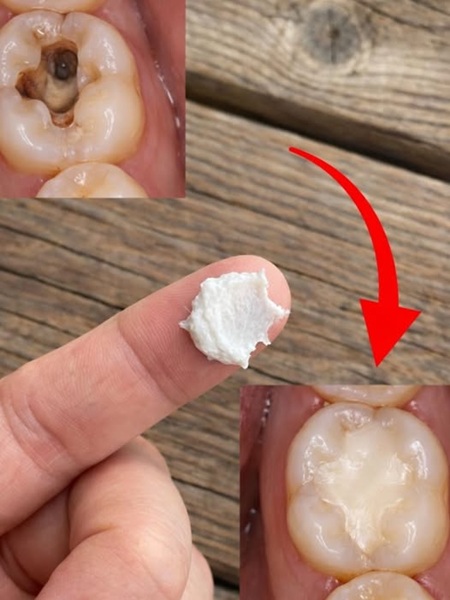
Dental cavities, or dental caries, are rarely the result of a sudden event. Unlike an accidental injury, cavities develop slowly over time as a consequence of multiple interacting factors within the oral environment. At the heart of the process is the dynamic relationship between oral bacteria, dietary sugars, and the delicate balance of minerals in tooth enamel.
Tooth enamel, the hard, outermost layer of the teeth, serves as the body’s first line of defense against mechanical stress, chemical erosion, and microbial invasion.
Composed primarily of hydroxyapatite, a crystalline form of calcium phosphate, enamel is remarkably resilient, yet it is not impervious. Repeated exposure to acids, whether from food, drink, or bacterial metabolism, can gradually weaken enamel through a process called demineralization.
The Role of Oral Bacteria in Cavity Formation
The human mouth contains hundreds of bacterial species, forming a complex ecosystem known as the oral microbiome. While many of these bacteria are harmless or even beneficial—helping with digestion, preventing colonization by pathogens, and maintaining immune balance—certain species are directly involved in cavity formation. Chief among them is Streptococcus mutans, a bacterium that thrives on fermentable carbohydrates and produces acids as metabolic byproducts.

When a person consumes sugary foods or carbohydrates, these bacteria metabolize the sugars and release lactic acid, among other acids. The acid lowers the pH in the mouth, often below 5.5, the critical threshold at which enamel begins to lose minerals. Over time, repeated acid attacks outpace the natural remineralization process supported by saliva, leaving small lesions in the enamel that can eventually grow into cavities.
Importantly, the frequency of acid exposure can be more critical than the quantity consumed. Sipping a sugary beverage over an hour exposes teeth to prolonged acidity compared to consuming the same beverage all at once. Similarly, frequent snacking or grazing maintains a consistently acidic environment, limiting opportunities for enamel to repair itself naturally.
Saliva: The Body’s Natural Defense
Saliva plays a central role in maintaining oral health. It acts as a natural cleanser, flushing away food particles, neutralizing acids, and supplying essential minerals such as calcium and phosphate that aid in enamel repair. Saliva also contains enzymes and antimicrobial compounds that help regulate bacterial populations, supporting a balanced oral microbiome.
When saliva production is reduced, a condition known as xerostomia or dry mouth, teeth become more vulnerable to decay. Causes of reduced saliva include dehydration, certain medications, stress, systemic conditions, smoking, and mouth breathing.
Dry mouth prolongs the contact time between acid and enamel, allowing bacteria to thrive and increasing the likelihood of cavity formation.
Strategies to support saliva production include staying adequately hydrated, practicing stress management, breathing through the nose when possible, and chewing sugar-free gum to stimulate salivary flow. Xylitol-based gums are particularly beneficial because xylitol interferes with the metabolism of cavity-causing bacteria, reducing acid production while also promoting saliva secretion.
Early Signs and the Silent Progression of Cavities
Early enamel demineralization is often asymptomatic. This means that by the time a person notices pain, sensitivity to hot or cold, or visible pits in their teeth, significant damage has already occurred. The silent progression of cavities highlights the importance of preventive care and regular monitoring rather than waiting for symptoms to appear.
A proactive approach to oral health emphasizes consistent daily habits over occasional interventions. While periodic professional cleanings and dental visits are crucial, the maintenance of an environment that supports enamel repair and bacterial balance is what truly determines long-term cavity risk.

Supportive Natural Practices in Daily Oral Care
While traditional dental care—brushing with fluoride toothpaste, flossing, and professional cleanings—remains the cornerstone of oral health, several supportive practices can enhance daily protection:
1. Oil Pulling
Oil pulling is an ancient practice that involves swishing a tablespoon of oil, typically coconut oil, in the mouth for 10–20 minutes before spitting it out. Coconut oil contains lauric acid, which has antibacterial properties. Swishing may help loosen plaque, reduce bacterial load, and improve overall mouth freshness.
Modern studies suggest that consistent oil pulling may reduce levels of Streptococcus mutans and other harmful bacteria. While it should never replace brushing or flossing, it can be a low-risk, calming addition to a daily oral care routine when performed gently and followed by fluoride toothpaste use.
2. Salt Water Rinses
Salt water rinses are a simple, widely accepted method for maintaining oral balance. Warm salt water creates a hostile environment for many harmful bacteria while soothing inflamed or irritated gum tissue. Rinsing after meals can flush food particles, neutralize mild acidity, and provide comfort without significantly disrupting beneficial bacteria.
Salt water rinses are particularly useful for individuals with minor gum irritation, mouth sores, or sensitivity after consuming acidic foods. They do not repair cavities directly, but they help maintain a healthier oral environment that supports prevention.
3. Xylitol Use
Xylitol is a naturally occurring sugar alcohol found in fruits and vegetables. Unlike sugar, cavity-causing bacteria cannot effectively metabolize xylitol. Attempted metabolism disrupts bacterial energy production, leading to reduced acid output.
Chewing xylitol-containing gum after meals lowers cavity risk by starving harmful bacteria, stimulating saliva flow, and supporting natural remineralization. For maximum benefit, xylitol gum should be sugar-free and used multiple times per day after eating.
Nutrition and Enamel Strength
Dietary choices play a crucial role in tooth strength and cavity prevention. Enamel is primarily composed of minerals, which must be replenished through diet to counteract acid exposure.

Key nutrients for enamel health include:
- Calcium: Found in dairy products, leafy greens, nuts, and seeds, calcium is essential for maintaining strong enamel and supporting repair processes.
- Phosphorus: Works with calcium to rebuild enamel; sources include dairy, meat, legumes, and nuts.
- Vitamin D: Supports calcium absorption and enamel mineralization; obtained from fatty fish, eggs, fortified foods, and sunlight exposure.
Consuming these nutrients in the context of balanced meals—rather than frequent snacks—reduces repeated acid attacks while providing minerals necessary for enamel maintenance. Chewing whole foods also stimulates saliva, further enhancing protective effects.
Snacking, Eating Patterns, and Cavity Risk
How often a person eats can significantly influence oral health. Each intake of food, particularly sugars or refined carbohydrates, triggers acid production by oral bacteria. Saliva takes 30–60 minutes to neutralize these acids and initiate remineralization. Frequent snacking prevents this recovery period, leading to prolonged demineralization.
Strategies to reduce risk include:
- Limiting snacking and allowing sufficient time between meals for oral pH recovery.
- Pairing carbohydrate-containing foods with protein or fat to slow sugar metabolism.
- Drinking water after meals to rinse away food debris and support saliva flow.
These habits, combined with consistent oral hygiene, form the foundation of a cavity-preventive lifestyle.
Timing and Technique of Brushing
Brushing remains essential, but timing and technique significantly influence its effectiveness:
- Wait after acidic foods/drinks: Brushing immediately after acidic exposure can damage softened enamel. Waiting at least 30 minutes allows saliva to neutralize acids.
- Use a soft-bristled toothbrush: Gentle pressure prevents enamel abrasion and gum irritation.
- Fluoride toothpaste: Strengthens enamel and supports remineralization.
- Daily flossing: Removes plaque and food particles from areas unreachable by a toothbrush, particularly between teeth and along the gumline.
Consistent, correct technique ensures that brushing supports enamel repair rather than unintentionally accelerating wear.
While the previous section focused on the microbial, dietary, and hygiene aspects of cavity formation, it is equally important to consider lifestyle factors, systemic health, and environmental influences that can significantly impact oral health. These elements often interact with biological processes, creating either protective effects or heightened risk for cavities and other dental problems.

Stress and Its Effects on Oral Health
Chronic stress is a commonly overlooked factor in oral health. Stress affects the body in multiple ways that increase vulnerability to tooth decay:
- Reduced saliva production: Stress can trigger dry mouth, which decreases the mouth’s natural defenses against acid attacks.
- Altered immune response: Chronic stress may suppress immune function, making gums more susceptible to inflammation and bacterial imbalance.
- Behavioral changes: Stress often leads to unhealthy habits such as skipping brushing and flossing, increased consumption of sugary foods, teeth grinding (bruxism), and neglecting regular dental visits.
Managing stress is therefore not only critical for general well-being but also for cavity prevention. Techniques such as mindfulness meditation, yoga, deep breathing exercises, adequate sleep, and regular physical activity can improve systemic resilience and indirectly support oral health.
The Impact of Smoking and Alcohol on Teeth
Tobacco use and excessive alcohol consumption are major contributors to oral disease, including cavities:
- Smoking: Nicotine and other chemicals reduce saliva production, promote gum inflammation, and alter the oral microbiome in ways that favor acid-producing bacteria. Smoking also slows healing, making teeth and gums more vulnerable to decay and infection.
- Alcohol: Alcoholic beverages, particularly sugary cocktails, contribute to acid exposure in the mouth. Additionally, alcohol can cause dehydration and dry mouth, compounding cavity risk.
Minimizing or eliminating these substances supports both oral and systemic health. For smokers, dental professionals often recommend adjunctive care such as more frequent cleanings, fluoride treatments, and antibacterial mouth rinses to counteract increased risk.
Systemic Health and Oral Balance
Oral health is intricately linked to overall health. Several systemic conditions can influence cavity formation:
- Diabetes: Elevated blood sugar can promote bacterial growth and reduce saliva quality, increasing the likelihood of cavities and gum disease.
- Autoimmune conditions: Diseases such as Sjögren’s syndrome reduce saliva production, requiring additional preventive strategies to maintain oral balance.
- Gastroesophageal reflux disease (GERD): Frequent acid reflux exposes teeth to stomach acids, accelerating enamel erosion. Brushing techniques and neutralizing rinses are critical in these cases.
- Nutritional deficiencies: Insufficient intake of calcium, phosphorus, and vitamin D directly impairs enamel repair and remineralization.
Managing these systemic factors through medical care, dietary optimization, and lifestyle modifications is essential for comprehensive cavity prevention.
Advanced Preventive Strategies
For individuals seeking a proactive approach to long-term oral health, combining multiple layers of care can provide robust protection:
1. Targeted Fluoride Treatments
Fluoride enhances enamel resistance and accelerates remineralization. In addition to daily fluoride toothpaste, professional fluoride varnishes or gels can be applied periodically, particularly for high-risk individuals. These treatments create a concentrated protective layer, reinforcing the tooth’s natural defense against acid attacks.

2. Sealants
Dental sealants are thin, protective coatings applied to the grooves of molars and premolars, where plaque and food particles tend to accumulate. Sealants act as a physical barrier, reducing the risk of cavities in areas that are difficult to clean. They are especially effective for children and teenagers, but adults can also benefit from sealants if there is a history of recurrent decay.
3. Interproximal Cleaning Tools
While flossing is essential, additional tools such as interdental brushes or water flossers can reach areas between teeth where bacteria often thrive. Using these devices daily ensures that plaque is removed effectively from hard-to-reach surfaces, further preventing demineralization and cavity formation.
4. Saliva-Stimulating Strategies
As discussed in Part 1, saliva is critical for neutralizing acids and delivering minerals. Beyond chewing sugar-free gum, other techniques can enhance saliva flow:
- Drinking water regularly throughout the day
- Consuming fibrous fruits and vegetables that require thorough chewing
- Using oral lozenges designed to stimulate salivary glands
A consistent saliva-stimulating routine is particularly important for individuals with naturally low saliva production or those experiencing dry mouth due to medications or systemic conditions.
Daily Oral Hygiene Routine: An Integrated Approach
An effective cavity-prevention routine combines several practices:
- Brushing: Twice daily with a soft-bristled toothbrush and fluoride toothpaste, waiting at least 30 minutes after acidic meals.
- Flossing: Once daily to remove plaque and debris between teeth and along the gumline.
- Mouth rinses: Salt water or antibacterial rinses can supplement daily care, particularly after meals.
- Oil pulling: Optional, gentle support for bacterial balance and oral freshness.
- Xylitol use: Chewing sugar-free xylitol gum after meals for saliva stimulation and cavity prevention.
- Dietary considerations: Limiting frequent snacking, focusing on nutrient-rich meals, and avoiding prolonged exposure to sugary or acidic foods.
- Hydration: Maintaining consistent water intake to support saliva production and oral cleansing.
Consistency is more important than perfection. Skipping occasional steps does not undermine overall protection if the routine is maintained over time.
Recognizing and Responding to Early Signs
Even with a robust preventive routine, vigilance is key. Early signs of cavities include:
- Sensitivity to hot, cold, or sweet foods
- Visible white or brown spots on enamel
- Persistent bad breath despite brushing
- Minor gum inflammation or bleeding
Regular dental checkups allow professionals to detect and treat these early signs before significant decay occurs. Early intervention may involve fluoride treatments, remineralization therapies, or minimal restorations to preserve enamel integrity.
The Role of Professional Dental Care
Preventive care at home is essential, but professional dental services provide critical support:
- Examinations: Dentists can detect subtle changes in enamel or gum health that are not visible to the untrained eye.
- Cleanings: Remove hardened plaque (tartar) and biofilm that cannot be eliminated through brushing alone.
- Fluoride and remineralization treatments: Strengthen enamel and prevent progression of early lesions.
- Education: Dentists can provide personalized guidance based on risk factors such as dry mouth, orthodontic appliances, medical conditions, and lifestyle habits.
A partnership between at-home care and professional oversight maximizes long-term oral health outcomes.
Creating an Oral Environment That Favors Repair
Cavity prevention is fundamentally about maintaining conditions that favor enamel repair over decay:
- Minimizing acid exposure: Reducing frequency and quantity of sugary or acidic foods.
- Supporting saliva: Hydration, chewing fibrous foods, and stimulating salivary flow.
- Strengthening enamel: Fluoride, calcium- and phosphorus-rich foods, and timed brushing routines.
- Controlling bacteria: Oil pulling, xylitol, proper hygiene, and professional cleanings.
By integrating these elements consistently, it becomes possible to create an oral environment where natural repair can occur, bacterial balance is maintained, and cavity risk is minimized.
Lifestyle Integration: Beyond Brushing and Flossing
Effective cavity prevention extends beyond the bathroom sink. Daily routines and broader lifestyle choices reinforce oral resilience:
- Balanced diet: Emphasizing whole foods, protein, fats, and low-glycemic carbohydrates reduces prolonged acid exposure.
- Regular exercise: Supports systemic health, stress management, and immune function, all of which indirectly protect oral tissues.
- Adequate sleep: Supports repair mechanisms, hormone balance, and immune regulation, aiding oral health maintenance.
- Stress management: Prevents dry mouth, reduces bruxism, and promotes adherence to oral hygiene habits.
- Avoiding harmful substances: Limiting tobacco and alcohol supports saliva flow, gum health, and microbial balance.
Integrating oral health awareness into broader life habits ensures that preventive efforts are reinforced across multiple dimensions, rather than relying solely on isolated practices.
Long-Term Reflection and Conclusion
Dental cavities are not inevitable when a comprehensive, evidence-based approach is applied. They are the result of cumulative interactions between diet, bacteria, saliva, hygiene habits, lifestyle choices, and systemic health. Recognizing the multifactorial nature of cavities allows individuals to adopt preventive strategies that are both practical and sustainable.
A long-term oral health plan involves:
- Daily routines that favor enamel repair and microbial balance
- Awareness of dietary patterns and eating frequency
- Supportive practices such as xylitol gum, salt water rinses, and oil pulling
- Regular professional dental care for early detection and intervention
- Lifestyle measures that enhance systemic health and reduce stress
By viewing oral health holistically, cavity prevention becomes a lifelong practice rather than a reactive treatment. Small, consistent actions—combined with professional guidance—create a resilient oral environment, protect enamel integrity, and maintain overall well-being.
Ultimately, the prevention of cavities is a combination of science, discipline, and mindfulness. It requires understanding how subtle factors—saliva flow, frequency of meals, bacterial dynamics, and daily routines—interact to influence enamel health. Through deliberate, evidence-based practices, individuals can maintain strong teeth, prevent decay, and ensure a lifetime of oral health.
While the previous section focused on the microbial, dietary, and hygiene aspects of cavity formation, it is equally important to consider lifestyle factors, systemic health, and environmental influences that can significantly impact oral health. These elements often interact with biological processes, creating either protective effects or heightened risk for cavities and other dental problems.
Stress and Its Effects on Oral Health
Chronic stress is a commonly overlooked factor in oral health. Stress affects the body in multiple ways that increase vulnerability to tooth decay:
- Reduced saliva production: Stress can trigger dry mouth, which decreases the mouth’s natural defenses against acid attacks.
- Altered immune response: Chronic stress may suppress immune function, making gums more susceptible to inflammation and bacterial imbalance.
- Behavioral changes: Stress often leads to unhealthy habits such as skipping brushing and flossing, increased consumption of sugary foods, teeth grinding (bruxism), and neglecting regular dental visits.
Managing stress is therefore not only critical for general well-being but also for cavity prevention. Techniques such as mindfulness meditation, yoga, deep breathing exercises, adequate sleep, and regular physical activity can improve systemic resilience and indirectly support oral health.
The Impact of Smoking and Alcohol on Teeth
Tobacco use and excessive alcohol consumption are major contributors to oral disease, including cavities:
- Smoking: Nicotine and other chemicals reduce saliva production, promote gum inflammation, and alter the oral microbiome in ways that favor acid-producing bacteria. Smoking also slows healing, making teeth and gums more vulnerable to decay and infection.
- Alcohol: Alcoholic beverages, particularly sugary cocktails, contribute to acid exposure in the mouth. Additionally, alcohol can cause dehydration and dry mouth, compounding cavity risk.
Minimizing or eliminating these substances supports both oral and systemic health. For smokers, dental professionals often recommend adjunctive care such as more frequent cleanings, fluoride treatments, and antibacterial mouth rinses to counteract increased risk.
Systemic Health and Oral Balance
Oral health is intricately linked to overall health. Several systemic conditions can influence cavity formation:
- Diabetes: Elevated blood sugar can promote bacterial growth and reduce saliva quality, increasing the likelihood of cavities and gum disease.
- Autoimmune conditions: Diseases such as Sjögren’s syndrome reduce saliva production, requiring additional preventive strategies to maintain oral balance.
- Gastroesophageal reflux disease (GERD): Frequent acid reflux exposes teeth to stomach acids, accelerating enamel erosion. Brushing techniques and neutralizing rinses are critical in these cases.
- Nutritional deficiencies: Insufficient intake of calcium, phosphorus, and vitamin D directly impairs enamel repair and remineralization.
Managing these systemic factors through medical care, dietary optimization, and lifestyle modifications is essential for comprehensive cavity prevention.
Advanced Preventive Strategies
For individuals seeking a proactive approach to long-term oral health, combining multiple layers of care can provide robust protection:
1. Targeted Fluoride Treatments
Fluoride enhances enamel resistance and accelerates remineralization. In addition to daily fluoride toothpaste, professional fluoride varnishes or gels can be applied periodically, particularly for high-risk individuals. These treatments create a concentrated protective layer, reinforcing the tooth’s natural defense against acid attacks.
2. Sealants
Dental sealants are thin, protective coatings applied to the grooves of molars and premolars, where plaque and food particles tend to accumulate. Sealants act as a physical barrier, reducing the risk of cavities in areas that are difficult to clean. They are especially effective for children and teenagers, but adults can also benefit from sealants if there is a history of recurrent decay.
3. Interproximal Cleaning Tools
While flossing is essential, additional tools such as interdental brushes or water flossers can reach areas between teeth where bacteria often thrive. Using these devices daily ensures that plaque is removed effectively from hard-to-reach surfaces, further preventing demineralization and cavity formation.
4. Saliva-Stimulating Strategies
As discussed in Part 1, saliva is critical for neutralizing acids and delivering minerals. Beyond chewing sugar-free gum, other techniques can enhance saliva flow:
- Drinking water regularly throughout the day
- Consuming fibrous fruits and vegetables that require thorough chewing
- Using oral lozenges designed to stimulate salivary glands
A consistent saliva-stimulating routine is particularly important for individuals with naturally low saliva production or those experiencing dry mouth due to medications or systemic conditions.
Daily Oral Hygiene Routine: An Integrated Approach
An effective cavity-prevention routine combines several practices:
- Brushing: Twice daily with a soft-bristled toothbrush and fluoride toothpaste, waiting at least 30 minutes after acidic meals.
- Flossing: Once daily to remove plaque and debris between teeth and along the gumline.
- Mouth rinses: Salt water or antibacterial rinses can supplement daily care, particularly after meals.
- Oil pulling: Optional, gentle support for bacterial balance and oral freshness.
- Xylitol use: Chewing sugar-free xylitol gum after meals for saliva stimulation and cavity prevention.
- Dietary considerations: Limiting frequent snacking, focusing on nutrient-rich meals, and avoiding prolonged exposure to sugary or acidic foods.
- Hydration: Maintaining consistent water intake to support saliva production and oral cleansing.
Consistency is more important than perfection. Skipping occasional steps does not undermine overall protection if the routine is maintained over time.
Recognizing and Responding to Early Signs
Even with a robust preventive routine, vigilance is key. Early signs of cavities include:
- Sensitivity to hot, cold, or sweet foods
- Visible white or brown spots on enamel
- Persistent bad breath despite brushing
- Minor gum inflammation or bleeding
Regular dental checkups allow professionals to detect and treat these early signs before significant decay occurs. Early intervention may involve fluoride treatments, remineralization therapies, or minimal restorations to preserve enamel integrity.
The Role of Professional Dental Care
Preventive care at home is essential, but professional dental services provide critical support:
- Examinations: Dentists can detect subtle changes in enamel or gum health that are not visible to the untrained eye.
- Cleanings: Remove hardened plaque (tartar) and biofilm that cannot be eliminated through brushing alone.
- Fluoride and remineralization treatments: Strengthen enamel and prevent progression of early lesions.
- Education: Dentists can provide personalized guidance based on risk factors such as dry mouth, orthodontic appliances, medical conditions, and lifestyle habits.
A partnership between at-home care and professional oversight maximizes long-term oral health outcomes.
Creating an Oral Environment That Favors Repair
Cavity prevention is fundamentally about maintaining conditions that favor enamel repair over decay:
- Minimizing acid exposure: Reducing frequency and quantity of sugary or acidic foods.
- Supporting saliva: Hydration, chewing fibrous foods, and stimulating salivary flow.
- Strengthening enamel: Fluoride, calcium- and phosphorus-rich foods, and timed brushing routines.
- Controlling bacteria: Oil pulling, xylitol, proper hygiene, and professional cleanings.
By integrating these elements consistently, it becomes possible to create an oral environment where natural repair can occur, bacterial balance is maintained, and cavity risk is minimized.
Lifestyle Integration: Beyond Brushing and Flossing
Effective cavity prevention extends beyond the bathroom sink. Daily routines and broader lifestyle choices reinforce oral resilience:
- Balanced diet: Emphasizing whole foods, protein, fats, and low-glycemic carbohydrates reduces prolonged acid exposure.
- Regular exercise: Supports systemic health, stress management, and immune function, all of which indirectly protect oral tissues.
- Adequate sleep: Supports repair mechanisms, hormone balance, and immune regulation, aiding oral health maintenance.
- Stress management: Prevents dry mouth, reduces bruxism, and promotes adherence to oral hygiene habits.
- Avoiding harmful substances: Limiting tobacco and alcohol supports saliva flow, gum health, and microbial balance.
Integrating oral health awareness into broader life habits ensures that preventive efforts are reinforced across multiple dimensions, rather than relying solely on isolated practices.
Long-Term Reflection and Conclusion
Dental cavities are not inevitable when a comprehensive, evidence-based approach is applied. They are the result of cumulative interactions between diet, bacteria, saliva, hygiene habits, lifestyle choices, and systemic health. Recognizing the multifactorial nature of cavities allows individuals to adopt preventive strategies that are both practical and sustainable.
A long-term oral health plan involves:
- Daily routines that favor enamel repair and microbial balance
- Awareness of dietary patterns and eating frequency
- Supportive practices such as xylitol gum, salt water rinses, and oil pulling
- Regular professional dental care for early detection and intervention
- Lifestyle measures that enhance systemic health and reduce stress
By viewing oral health holistically, cavity prevention becomes a lifelong practice rather than a reactive treatment. Small, consistent actions—combined with professional guidance—create a resilient oral environment, protect enamel integrity, and maintain overall well-being.
Ultimately, the prevention of cavities is a combination of science, discipline, and mindfulness. It requires understanding how subtle factors—saliva flow, frequency of meals, bacterial dynamics, and daily routines—interact to influence enamel health. Through deliberate, evidence-based practices, individuals can maintain strong teeth, prevent decay, and ensure a lifetime of oral health.
