
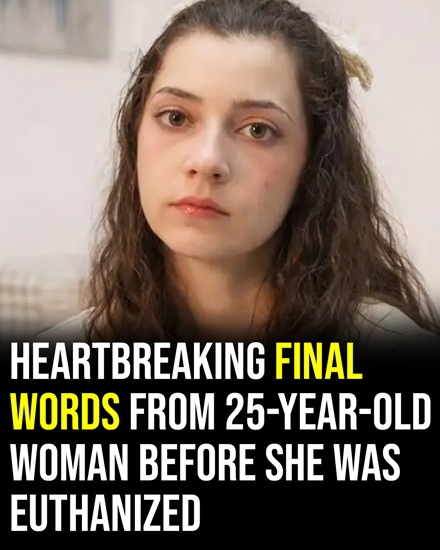
Noelia Castillo Ramos, born November 14, 2000, in Barcelona, Spain, lived a life marked by early adversity, complex health challenges, and an enduring struggle with chronic physical and psychological suffering, documented extensively in medical and legal records.
Growing up in Barcelona, Noelia faced significant familial and social difficulties. Her family lost their home when she was a teenager, prompting her placement into social care and initiating a lifetime of navigating complex emotional and institutional challenges.
Her medical history included chronic physical pain and longstanding psychiatric conditions, such as obsessive‑compulsive disorder and borderline personality disorder, which compounded her daily struggles and informed her later requests for legal and medically assisted interventions.
At age thirteen, Noelia entered Spain’s social care system. The transition introduced her to multiple foster and institutional placements, each contributing to emotional and psychological challenges she would carry into adulthood, according to official documentation.

During her teenage years, she experienced repeated trauma, including episodes of violence and personal hardship, which were later cited in her medical evaluations as factors contributing to her intense psychological distress and chronic mental suffering.
In October 2022, after enduring years of emotional and physical trauma, Noelia attempted to take her own life by jumping from a fifth‑floor window. She survived but sustained irreversible spinal injuries, leaving her paraplegic and in severe chronic pain.
Medical assessments following the accident documented persistent, debilitating physical pain, profound mobility limitations, and secondary psychological effects, all classified as chronic and without realistic prospects for relief, establishing the foundation for her future euthanasia application.
Noelia’s physical suffering was accompanied by ongoing mental anguish. Specialists noted that trauma-related disorders, compounded by her paralysis, created a combination of unrelenting pain and psychological distress that she described as unbearable and inescapable.
In 2024, she formally requested medically assisted euthanasia under Spain’s Organic Law Regulating Voluntary Euthanasia (LORE), legislation enacted in 2021 to allow adults enduring intolerable suffering to make autonomous end-of-life decisions.
Under LORE, individuals must demonstrate informed consent, sound mental capacity, and chronic, severe suffering deemed irreversible by qualified physicians, ensuring that applications are legally and medically rigorous prior to approval.
Noelia’s initial request underwent multiple reviews by regional medical commissions. Physicians, neurologists, and mental health specialists evaluated her condition, documenting chronic pain, psychological suffering, and her legal capacity to make a conscious, voluntary decision.
The regional commission granted approval, certifying that Noelia met all legal and medical criteria, including enduring pain with no realistic treatment alternatives, her understanding of consequences, and her autonomous, voluntary decision-making capacity.
Her father contested the approval, asserting that Noelia’s psychiatric history impaired her judgment. He initiated multiple legal appeals, supported by Abogados Cristianos, a conservative legal group focused on defending life-based moral frameworks within Spanish law.
Legal proceedings extended over 600 days, drawing national and international attention. Courts were tasked with balancing parental concern, the law’s criteria, and Noelia’s autonomy, making her case one of the most publicized applications of euthanasia in Spain.
The High Court of Justice of Catalonia first considered the case, ultimately confirming Noelia’s legal capacity and the validity of her euthanasia request, citing thorough medical documentation and her consistent expression of voluntary consent.
Her father appealed to the Supreme Court of Spain. In January 2026, the Court rejected the appeal, affirming the lower court’s decision and emphasizing adherence to procedural safeguards established under Spanish euthanasia legislation.
A subsequent appeal to the Constitutional Court of Spain was dismissed. Judges confirmed that all legal conditions were met, including review of mental health assessments, medical opinions, and procedural evaluations designed to ensure responsible oversight.
Noelia’s final attempt to seek review from the European Court of Human Rights was declined, solidifying the legal clearance necessary to proceed with her medically assisted death, marking the conclusion of an exhaustive judicial process.
During the legal proceedings, Noelia gave interviews explaining her decision in her own words. She emphasized that her choice was personal, reflecting decades of suffering, and not intended as guidance for others in similar circumstances.
She consistently described her desire for a dignified, peaceful death, expressing the intention to end years of chronic pain and psychological distress, underscoring her autonomy and deeply personal rationale for seeking euthanasia.
Spanish law mandates careful oversight for euthanasia procedures. The process requires intravenous administration of sedatives followed by life-ending medication, ensuring that the patient experiences no pain, distress, or discomfort during the final moments.
On March 26, 2026, Noelia received euthanasia at the Sant Camil Hospital in Sant Pere de Ribes, Catalonia, surrounded by individuals she chose to be present, including her mother, who remained supportive despite personal grief over the decision.
Noelia requested to be alone during the administration of the medication. Hospital staff followed established protocols, confirming her voluntary consent and verifying legal and medical compliance, ensuring her autonomy and dignity were respected throughout the procedure.
Her father’s opposition continued until the last moment, highlighting the ethical, emotional, and familial tensions inherent in assisted dying cases where legal autonomy and family wishes diverge significantly.
The case sparked intense debate nationally and internationally, with supporters emphasizing personal autonomy and the right of competent adults to make informed decisions regarding their own suffering and end-of-life choices.
Critics questioned whether enhanced mental health care, trauma-informed therapy, or social support might have offered alternatives to euthanasia, particularly for younger adults experiencing chronic psychological distress alongside physical disability.
Spain’s Congress of Deputies engaged in discussions surrounding Noelia’s case. Lawmakers debated the interpretation and application of LORE, balancing individual rights against societal obligations to protect vulnerable populations and provide comprehensive care systems.
Religious leaders publicly expressed opposition, advocating for life-preserving alternatives, moral guidance, and enhanced support structures for individuals experiencing chronic suffering, emphasizing ethical considerations surrounding assisted dying legislation.
Mental health professionals highlighted systemic gaps in psychiatric and social care, suggesting that Noelia’s case underscores the importance of accessible, holistic treatment for those suffering from trauma, chronic pain, and persistent mental health conditions.
Media coverage reflected a range of public opinions. Sympathy and respect for Noelia’s autonomy were expressed alongside concern for broader societal implications of legally sanctioned euthanasia for young adults with complex mental and physical health needs.
International observers noted that her case exemplifies ongoing global ethical debates, balancing individual rights, medical ethics, and the responsibilities of states to vulnerable populations, particularly regarding end-of-life autonomy and quality of life considerations.
The case has become a reference point for jurists, ethicists, and policymakers evaluating euthanasia frameworks, illustrating the intersection of trauma, chronic suffering, and legal mechanisms designed to protect autonomy while minimizing abuse or coercion.
Despite controversy, LORE remains in force with strict safeguards. Only competent adults experiencing chronic, unbearable suffering from incurable conditions are legally permitted to request euthanasia, ensuring adherence to ethical and procedural standards.
More than a thousand medically assisted deaths have occurred under Spain’s euthanasia law since 2021, but Noelia’s case is unique due to her youth, legal challenges, and the highly publicized nature of the judicial process.
Her death raised profound questions about the role of family, societal responsibility, and the extent to which adults should exercise ultimate authority over deeply personal, irreversible decisions concerning their own lives.
Advocates for patient autonomy view the case as affirming that legal capacity grants adults the right to choose euthanasia when facing severe, persistent suffering, highlighting the importance of consent and informed decision-making.
Conversely, critics stress the necessity of bolstering prevention, mental health care, therapy, and social support systems to mitigate suffering without resorting to life-ending measures, emphasizing ethical obligations toward vulnerable individuals.
Noelia’s story will likely influence future policy discussions, academic research, and bioethical debates in Spain and across Europe, shaping how societies balance autonomy, protection, and compassion in end-of-life law and practice.
The ethical, legal, and emotional complexity of her death underscores the tension between individual rights and familial perspectives, illuminating broader societal questions about dignity, suffering, and the boundaries of state-sanctioned intervention.
Her case exemplifies the delicate interface between medical ethics, jurisprudence, and human experience, demonstrating how legislative frameworks must accommodate both personal autonomy and societal responsibility while addressing vulnerability comprehensively.
Public discourse surrounding Noelia’s death reflects a range of perspectives: advocacy for autonomy, concern for youth and mental health, religious objections, and calls for enhanced systemic support, highlighting the multidimensional challenges in assisted dying legislation.
In conclusion, Noelia Castillo Ramos’s death on March 26, 2026, represents one of Spain’s most prominent and ethically complex applications of euthanasia, combining legal scrutiny, chronic suffering, and societal reflection on human dignity and end-of-life autonomy.
Her life and final decision provide a critical case study in balancing ethical principles, medical practice, legal safeguards, and personal autonomy, ensuring that future debates are informed by both compassion and rigorous procedural safeguards.

