
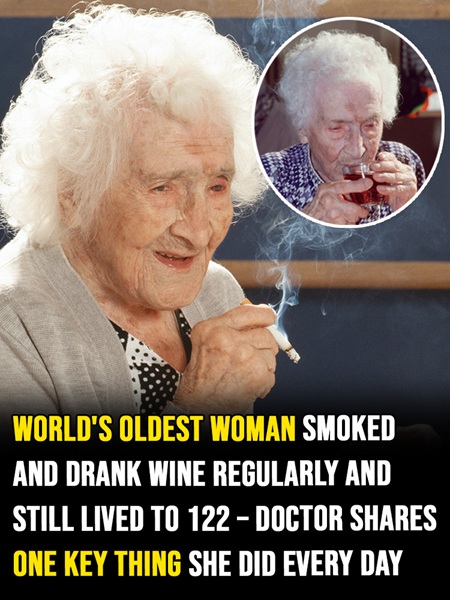
Jeanne Louise Calment is widely recognized as the longest-lived human being whose age has been verified with rigorous documentation.
Born on February 21, 1875, in the sun-drenched town of Arles in southern France, she lived for an astonishing 122 years and 164 days, passing away on August 4, 1997.
Her longevity has fascinated scientists, historians, journalists, and the general public alike, not only because of the sheer length of her life but also because of the unique lifestyle choices and personality traits that accompanied her remarkable existence.
Her extraordinary lifespan is confirmed through an extensive array of records, including birth certificates, census data, marriage documents, and a vast collection of photographs and legal paperwork.
Scholars and demographers have scrutinized these records carefully over decades to ensure their accuracy. The consensus is unanimous: Jeanne Calment indeed holds the record as the oldest verified human in history.
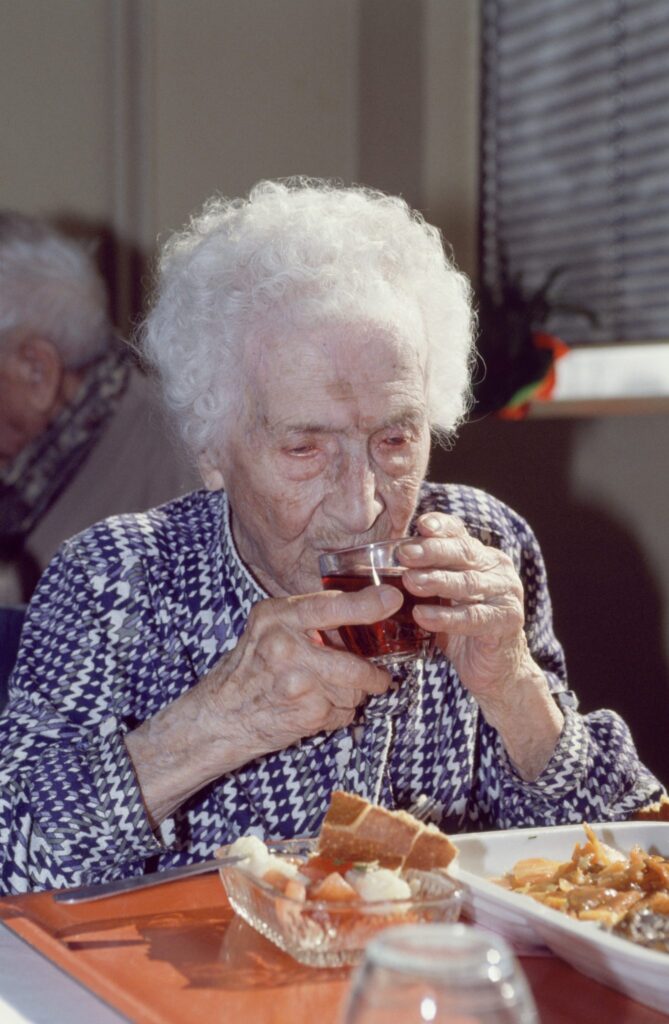
This distinction has earned her recognition in the Guinness World Records and in countless scientific studies on human longevity. Remarkably, she remains the only person verified to have lived beyond 119 years, a milestone that sets her apart in a league of her own.
To truly appreciate the scope of her life, it’s helpful to consider the historical context she lived through. Jeanne Calment’s life bridged three centuries—a span in which the world underwent transformations unprecedented in human history.
She was born in 1875, a time when the world was still largely pre-industrial, when electric light was a novelty, and when France was recovering from the aftermath of the Franco-Prussian War.
By the time she passed away in 1997, the world had been completely transformed: two World Wars had reshaped continents, technological revolutions had changed daily life, and globalization was redefining societies worldwide.
Over her 122 years, Jeanne Calment witnessed the invention of the electric light bulb, the widespread adoption of the telephone, and the construction of the Eiffel Tower, a monument that would become emblematic of France itself.
She lived through the tragic assassination of Archduke Franz Ferdinand, a key catalyst for World War I, as well as the devastation of World War II, witnessing the profound social, political, and economic upheavals these conflicts caused.
She observed the rise and fall of monarchies and empires, saw the dawn of the automobile era, and lived to see the advent of the internet, a technology that would forever change how humans interact and share information.
In America, she watched the growth of the Black Civil Rights Movement, the election of multiple presidents, and the rapid expansion of the United States as a global superpower.
Her life spanned the entire modern era—a bridge from the 19th century to the late 20th century—and she was an eyewitness to events that shaped the modern world.
Yet, Jeanne Calment’s longevity is even more astonishing when considering her daily habits, many of which defied conventional wisdom about health and aging.
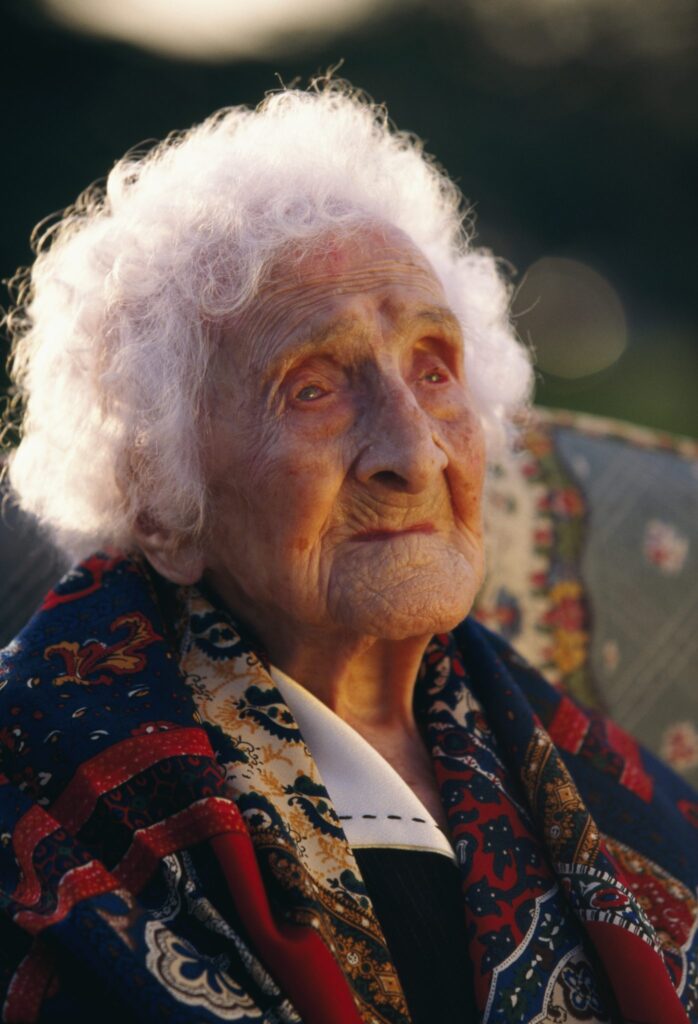
Unlike many centenarians who attribute their long lives to strict diets, abstention from indulgences, or rigorous exercise routines, Jeanne Calment embraced life with a balance of moderation and enjoyment.
She indulged in chocolate, consuming as much as two pounds per week, and she never hesitated to enjoy dessert with every meal. Wine was part of her routine, particularly port wine, which she drank in moderation.
Additionally, she smoked cigarettes for nearly a century—from the age of 21 until she was 117 years old. While modern medicine often links smoking and excessive sugar consumption to a host of serious diseases, Jeanne Calment appeared to escape many of these health consequences.
Her remarkable resilience suggests that longevity may involve factors far beyond diet and lifestyle alone.
Despite her indulgences, Jeanne Calment remained physically active for most of her life. She used a bicycle well into her nineties, riding through the streets of Arles with energy and purpose.
She maintained an independent lifestyle, walking and managing her own affairs well past her centennial birthday. When she turned 100, she famously walked from house to house in her hometown to thank residents personally for their birthday wishes—a testament not only to her mobility but also to her social engagement and connection to her community.
Maintaining relationships, community involvement, and daily routines that encourage mobility are all recognized today by gerontologists as contributing factors to healthy aging, and Jeanne embodied these principles fully.
Equally striking was her mental acuity and humor, even in the final decades of her life. On her 120th birthday, she told reporters: “I see badly, I hear badly, I can’t feel anything, but everything’s fine.” This wry humor reflected a lighthearted, resilient attitude that likely contributed to her overall wellbeing.
Laughter, positive emotional states, and stress resilience are increasingly recognized by researchers as essential components of longevity, as chronic stress can accelerate cellular aging through mechanisms such as increased inflammation and oxidative stress.
Jeanne Calment’s personality exemplified the kind of mental and emotional resilience that scientists now see as critical to a long and healthy life.
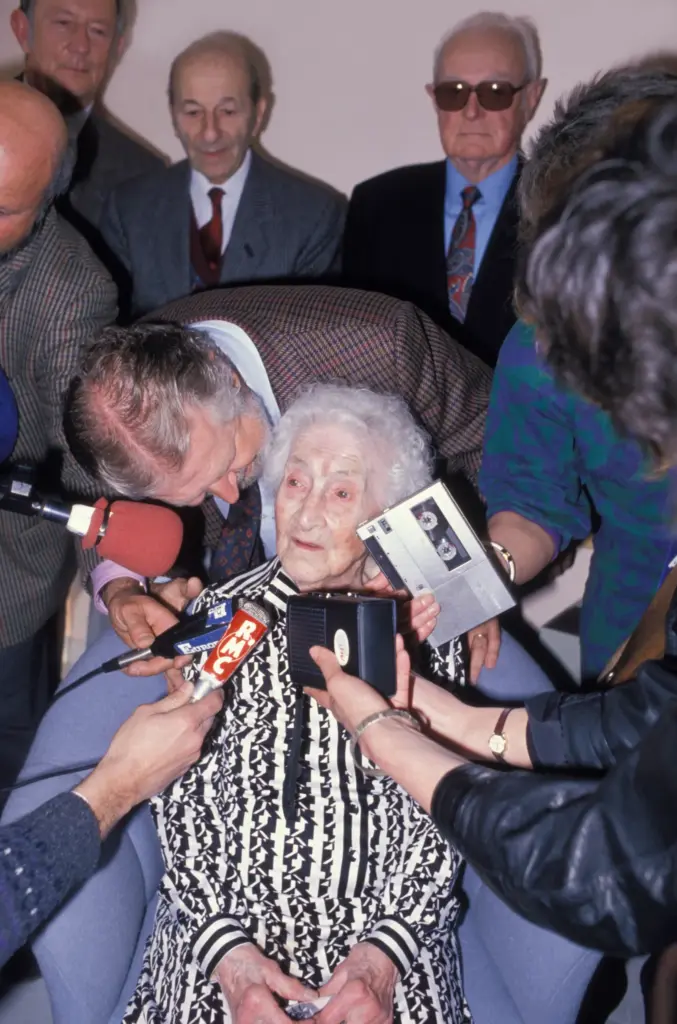
She often credited her longevity not to strict diets or regimented exercise programs but to simple principles: staying active, keeping her mind engaged, maintaining social connections, and approaching life with humor and curiosity. Jeanne never allowed herself to succumb to worry over minor difficulties, a mindset that may have helped her avoid the physiological consequences of stress.
According to medical researcher Jean-Marie Robin, who collaborated with Calment’s physician on a biography, her calm and relaxed outlook on life was a key factor in her exceptional lifespan.
Robin observed that Jeanne appeared “constitutionally and biologically immune to stress,” remarking that she would often say, “If you can’t do anything about it, don’t worry about it.”
This philosophy, which blends acceptance, humor, and emotional resilience, aligns closely with contemporary research on the psychosocial determinants of longevity.
Jeanne’s daily life, though seemingly indulgent by modern nutritional standards, was also structured around moderation. Her love of chocolate was balanced by physical activity; her enjoyment of wine was tempered by portion control; and her long smoking habit did not appear to translate into the severe chronic diseases that commonly affect smokers.
Some researchers speculate that her genetic makeup may have conferred exceptional resistance to disease, including cancer, cardiovascular conditions, and degenerative diseases.
Studies of centenarians often reveal unique genetic markers associated with longevity, including enhanced DNA repair mechanisms, superior cardiovascular function, and resistance to age-related inflammation.
Jeanne Calment’s combination of genetics, lifestyle, and personality may have created a perfect storm for extreme longevity.
Social and environmental factors may have also played a role. Living in Arles, a town with a temperate climate, close-knit community, and access to fresh produce, likely contributed to her wellbeing.
Maintaining strong social bonds and staying embedded in community life are now recognized as essential for both mental health and longevity.
Jeanne’s regular interaction with neighbors, friends, and family—combined with her curiosity and engagement in cultural events—may have helped preserve her cognitive function and emotional stability.
Beyond the remarkable details of her daily life, Jeanne Calment’s longevity provides insight into the broader science of human aging.
Researchers studying her life have emphasized the interaction of multiple factors: genetic predisposition, social support, lifestyle choices, emotional resilience, and a sense of humor.
These combined elements may help explain why some individuals achieve extreme ages while others succumb to disease earlier.
Calment’s life is frequently cited as a case study in the field of gerontology, illustrating that exceptional lifespan is rarely the result of a single factor but rather the convergence of many positive influences.
Her life has left a lasting cultural imprint as well. Jeanne Calment became a symbol of human resilience, adaptability, and the capacity to embrace life with joy despite adversity.
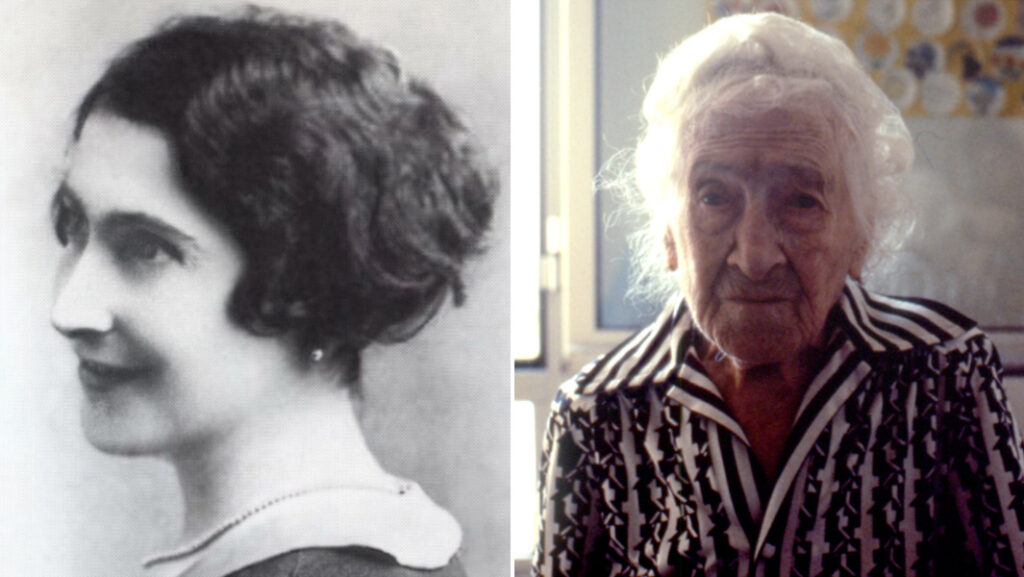
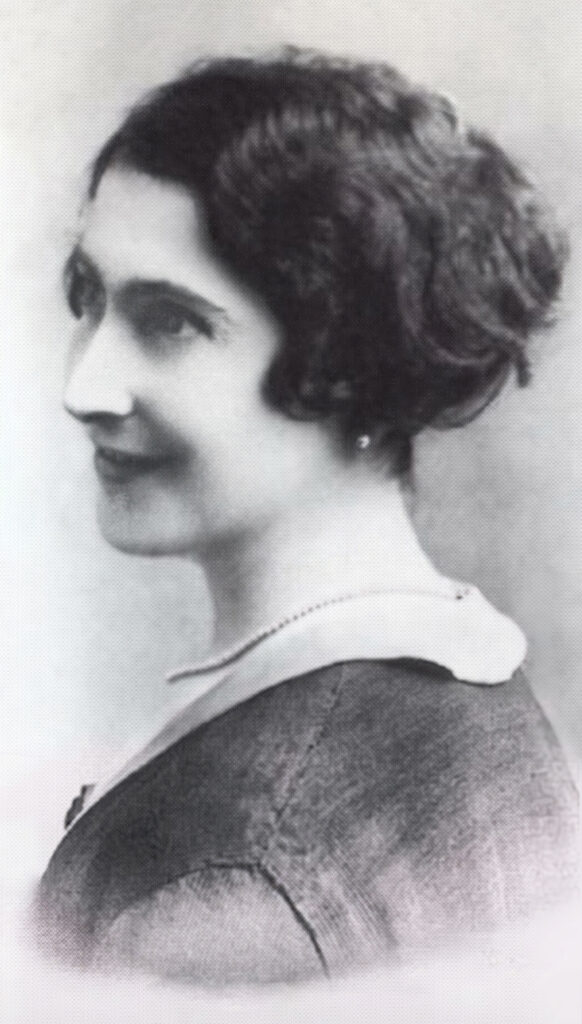
The photographs and interviews captured in her later years document not only her physical longevity but also her wit, her engaging personality, and her outlook on life, all of which continue to inspire those seeking insight into healthy aging.
Even in her final years, Jeanne’s humor remained sharp. She would joke about having “only one wrinkle and sitting on it,” demonstrating a playful perspective on the natural aging process.
Such humor may not only have contributed to emotional wellbeing but also provided a cognitive and social engagement that reinforced her vitality.
While many people have sought to emulate her dietary habits or mimic her exercise routines, researchers emphasize that her true secret may lie in her holistic approach to life: a combination of emotional resilience, intellectual engagement, social connection, and the ability to maintain a balanced, joyful perspective.
In a society increasingly obsessed with strict diets, extreme fitness regimens, and anti-aging interventions, Jeanne Calment’s life stands as a testament to the power of living fully, embracing pleasure moderately, and maintaining a calm, humorous outlook.
As Jeanne Calment entered her second century of life, the world around her had transformed in ways that few could have imagined when she was a young girl in Arles.
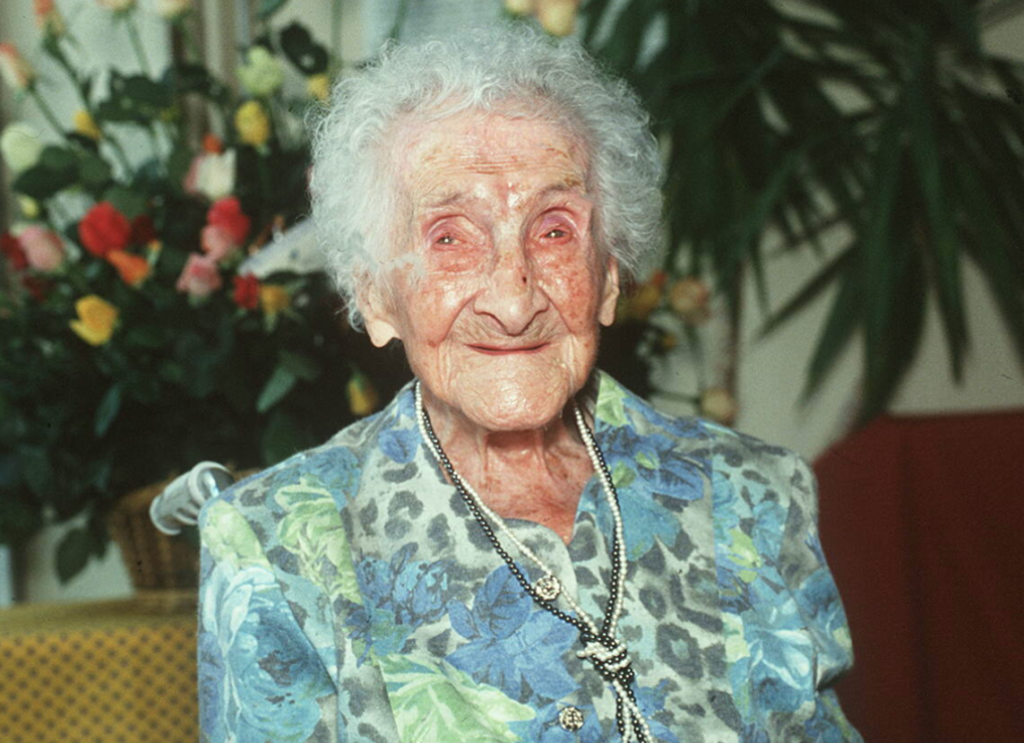
By the time she celebrated her 100th birthday in 1975, she had already witnessed the introduction of airplanes, automobiles, electricity in homes, radio broadcasts, and the beginnings of television.
Yet despite these massive societal shifts, Jeanne retained a remarkable continuity in her daily life, a rhythm of activity and engagement that may have been a cornerstone of her extraordinary longevity.
A Life Full of Humor, Independence, and Curiosity
Even past the age of 100, Jeanne Calment maintained a sharp wit and an unusually independent spirit. She was known to walk long distances around her hometown, attend social events, and engage in conversations with friends and neighbors with remarkable clarity and attentiveness.
On her centennial birthday, she famously went from house to house in Arles, personally thanking everyone who had sent her greetings.
This anecdote exemplifies more than just physical mobility—it highlights a social engagement and mental alertness that gerontologists often associate with extended lifespan and cognitive resilience.
Calment’s humor was legendary. She approached life’s inevitable challenges with a playful outlook, often making quips about her aging body or her daily routine.
For instance, she once remarked, “I have only one wrinkle, and I’m sitting on it,” a lighthearted acknowledgment of the physical effects of aging while simultaneously deflecting anxiety or fear about growing old.
Humor, as numerous studies have suggested, is more than just a personality trait—it has measurable effects on stress reduction, cardiovascular health, and the immune system. Jeanne’s capacity to maintain this humor well into her final decades likely contributed to both her mental and physical wellbeing.
Dietary Habits That Defy Conventional Wisdom
Perhaps most famously, Jeanne Calment’s dietary habits were anything but austere. She ate approximately two pounds of chocolate per week, enjoyed dessert at nearly every meal, and consumed wine, specifically port, in moderation.
She also smoked cigarettes from age 21 to 117, yet these habits did not appear to compromise her longevity.
In a society increasingly obsessed with rigid health regimens, low-sugar diets, and the dangers of tobacco, Jeanne’s life demonstrated that there is no single formula for aging well.
Her diet, while indulgent, may have been balanced by moderation in other aspects of life. Chocolate, for example, contains antioxidants and flavonoids that can benefit cardiovascular health and cognitive function.
Wine, particularly red wine, has been studied for its polyphenols, which are associated with reduced inflammation and improved heart health. Even smoking, while generally harmful, may have interacted with her unique genetic profile in ways we do not yet fully understand.
Jeanne’s resilience to what would typically be considered risk factors underscores the complex interplay between genetics, environment, lifestyle, and personality in extreme longevity.
Genetics and Biological Resilience
Modern scientific analysis suggests that Jeanne Calment’s longevity was likely influenced by a combination of genetic factors that conferred exceptional resistance to age-related diseases.
Researchers studying centenarians often find that those who live past 110—so-called supercentenarians—share certain genetic markers that enhance DNA repair, reduce susceptibility to cardiovascular disease, and maintain immune function.
Jeanne’s ability to avoid major illnesses for so long, despite a diet and lifestyle that might challenge conventional medical advice, strongly suggests that her biological makeup played a critical role.
Jean-Marie Robin, who collaborated with Calment’s physician on a biography, emphasized her apparent immunity to stress as a key factor. Stress, particularly chronic stress, is known to accelerate cellular aging through mechanisms like telomere shortening and increased oxidative damage.
Jeanne’s philosophy of “if you can’t do anything about it, don’t worry about it” exemplifies a calm, resilient approach to life that likely minimized these biological stress effects.
Mental Sharpness and Cognitive Engagement
Equally remarkable was Jeanne Calment’s cognitive vitality. She maintained sharp mental faculties well into her later years, engaging in conversation, recalling events from the late 19th and early 20th centuries, and demonstrating impressive memory retention.
Cognitive engagement, including reading, social interaction, and mental challenges, is widely recognized as essential for long-term brain health.
Calment’s life provides a vivid example of how mental activity can complement physical and emotional health to sustain overall longevity.
Even in her 120s, Jeanne could recall details about historical events, her own life experiences, and local cultural developments with clarity.
Her ability to remain intellectually curious and socially connected may have contributed significantly to her resilience, both mentally and physically.
Studies of supercentenarians frequently show that social engagement, continued learning, and maintaining a sense of purpose are as critical to longevity as diet and exercise.
Public Fascination and Media Attention
As Jeanne Calment’s age reached previously unimaginable milestones, she became an international symbol of human longevity.
Newspapers, television programs, and scientific publications around the world chronicled her life, often highlighting her charming personality, her humor, and her surprising lifestyle choices.
Journalists were fascinated not only by her age but by her relatability—she remained approachable, witty, and engaged with the public despite the incredible attention.
Her public appearances further illustrate how social interaction and engagement may have contributed to her longevity. Human connection is widely acknowledged as a key determinant of health, affecting everything from immune function to stress resilience.
By staying socially active and maintaining a sense of purpose, Jeanne was able to reinforce both her psychological and physiological health.
Lessons for Modern Aging and Longevity Research
The life of Jeanne Calment provides invaluable insights for researchers, healthcare professionals, and anyone interested in human longevity.
First, her life reinforces that there is no singular “formula” for extreme lifespan. While genetics undoubtedly played a role, her continued mobility, cognitive engagement, emotional resilience, social interactions, and humor each contributed to her exceptional years.
Second, Jeanne demonstrates the potential importance of psychological and emotional factors. Her calm, stress-free outlook likely mitigated the physical impact of stress, supporting cardiovascular, immune, and neurological health.
Modern research increasingly confirms that mindfulness, stress reduction, and positive emotional states are essential for healthy aging. Jeanne’s philosophy—acceptance, humor, and focusing on what can be controlled—offers a practical lesson for contemporary societies facing unprecedented stress and lifestyle pressures.
Third, her life challenges conventional assumptions about diet, indulgence, and health behaviors. While contemporary advice often emphasizes strict control over diet and lifestyle, Jeanne’s longevity illustrates that moderation, enjoyment, and mental wellbeing may be just as important as rigid adherence to nutritional guidelines.
The interplay of her indulgent habits with her exceptional genetics and lifestyle emphasizes the complexity of human aging.
The Cultural Legacy of Jeanne Calment
Beyond her scientific significance, Jeanne Calment has left a lasting cultural legacy. She is remembered as a symbol of human resilience, adaptability, and the power of a positive outlook on life.
Photographs, interviews, and documentaries continue to inspire those seeking examples of how to live a long, fulfilling, and joyful life. Her story encourages a holistic approach to aging—one that incorporates physical activity, social engagement, emotional resilience, and humor.
Even after her death in 1997, Jeanne Calment’s life continues to be studied by gerontologists, psychologists, and medical researchers.
Her exceptional lifespan raises questions about the limits of human aging, the role of genetics versus lifestyle, and the complex interactions between mind, body, and environment.
Researchers often cite her as the ultimate case study in extreme longevity, a living laboratory for understanding the factors that allow humans to thrive over more than a century.
The Final Years and Lasting Impact
In her final years, Jeanne Calment remained remarkably independent and lucid. She lived in her home in Arles until she was 110, after which she moved into a care facility while maintaining as much autonomy as possible.
Her quality of life remained high, and she continued to interact with visitors, share stories, and enjoy small pleasures, from chocolate to social visits.
Jeanne Calment’s death at age 122 was peaceful, and it marked the end of the longest verified human lifespan. Yet the lessons of her life endure.
She showed that longevity is a complex mosaic of genetics, lifestyle, mental resilience, social engagement, and humor. Her life challenges simplistic narratives about aging, proving that people can live long, healthy, and fulfilling lives even when conventional advice is only partially followed.
Her story remains an inspiration for anyone interested in healthy aging, demonstrating that life’s length and quality can be maximized not solely through discipline but also through joy, connection, curiosity, and a lighthearted approach to adversity.
Jeanne Calment’s life exemplifies that longevity is more than a measure of years—it is a measure of vitality, engagement, and the enduring human spirit.
