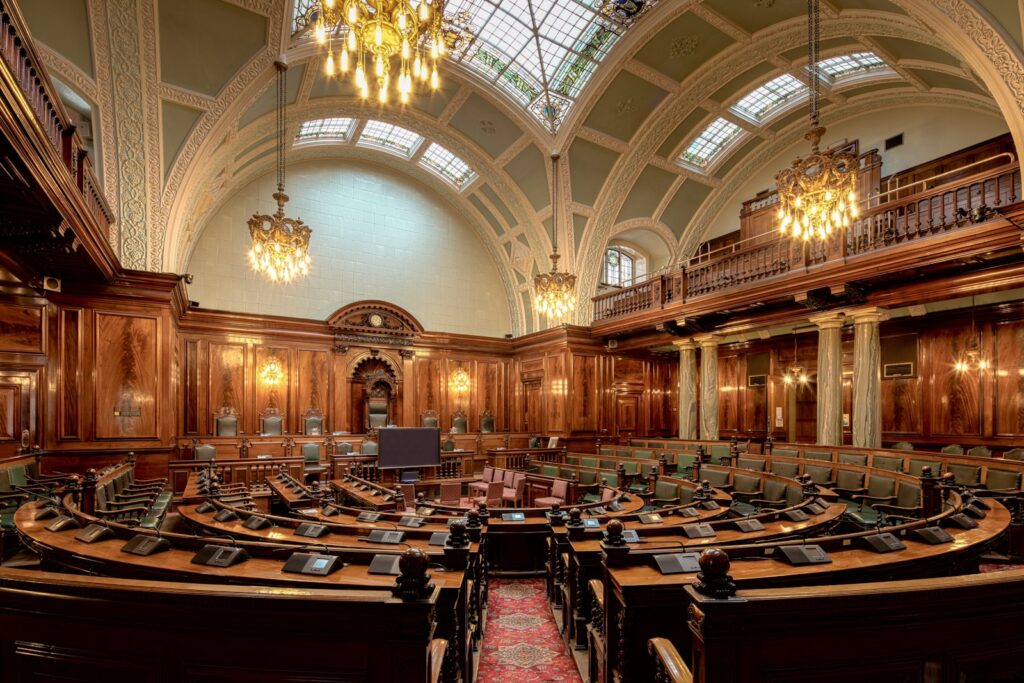
Ask most people to name their senator and they can. Ask them to name their city council member and many cannot. That is a missed opportunity, because local government shapes daily life more directly than almost anything that happens in a national capital.
What councils control
The exact powers depend on your city's charter, but councils typically handle the city budget, zoning and land use, local ordinances, and oversight of city departments. That covers a lot of ground: what can be built on an empty lot, how often trash is picked up, how much funding goes to parks, libraries, and street repair, and what rules apply to noise, parking, and short-term rentals.
In many cities, the council also approves the police and fire budgets, sets fees for permits and utilities, and decides how to spend state and federal grants.
Council and mayor
Cities generally follow one of two models. In a strong-mayor system, the mayor runs the city's daily operations and the council acts as the legislature. In a council-manager system, the council sets policy and hires a professional city manager to run things. Knowing which model your city uses tells you who to contact about a given problem.
Why your voice carries further here
A congressional office hears from thousands of constituents. A council office may hear from only a handful of people on a given issue. A single thoughtful email or a two-minute public comment can genuinely change a vote, especially on zoning cases or neighborhood projects. Local elections also tend to have low turnout, which means each vote matters more.
How to get involved
Start by finding your district and your council member on the city website. Sign up for the meeting agenda emails, which usually come out a few days before each meeting. Agendas list every item up for a vote.
When something matters to you, write a short, specific email: who you are, where you live, what item you are writing about, and what you want the council to do. Keep it civil and focused. If you want more impact, attend and speak during public comment. Most cities allow a few minutes per speaker, in person or sometimes remotely.
You can also join an advisory board or neighborhood council. These groups review proposals before they reach the full council and are often looking for volunteers.
The payoff
Local politics is where you can most easily see the results of your participation. A crosswalk installed, a park renovated, or a zoning change approved can often be traced back to a few residents who showed up and asked.