
Wednesday, October 28, 2026Independent ideas for everyday life.

Tag: Wellness

  • How to Build a Morning Routine You Will Actually Keep

    How to Build a Morning Routine You Will Actually Keep

    Online, the perfect morning routine often involves waking at five, meditating, journaling, exercising, making a green smoothie, and reading before the sun comes up. For most people with jobs, kids, or a normal sleep schedule, that is not realistic. A routine that works is one you can repeat on an ordinary Tuesday.

    Start with the night before

    A good morning begins the evening before. Getting enough sleep matters more than any morning habit. Lay out clothes, pack bags, and prepare lunch the night before so mornings are calmer. Even ten minutes of prep at night can save a frantic scramble.

    Choose two or three anchors

    Instead of a long list, pick a few small habits that make you feel good. Drinking a glass of water, opening the curtains to let in daylight, making your bed, a short stretch, or a few minutes of quiet with coffee are all good options. The point is consistency, not volume.

    Delay the phone

    Checking email, news, and social media first thing pulls your attention in many directions before your day begins. Try waiting fifteen or thirty minutes before looking at your phone. Charging it outside the bedroom and using a regular alarm clock makes this easier.

    Move a little

    You do not need a full workout. A short walk, a few minutes of stretching, or some simple bodyweight exercises can help you wake up and set a positive tone. If you prefer to exercise later, that is fine too. The routine should support your day, not compete with it.

    Eat something that works for you

    Some people need breakfast and some do not. If you do eat in the morning, a meal with some protein and fiber, like eggs with toast, yogurt with fruit, or oatmeal with nuts, tends to keep you fuller longer than something sugary.

    Plan the day in two minutes

    Take a moment to look at your calendar and choose the one or two most important things you want to accomplish. That small step can help you focus on what matters instead of reacting to whatever comes up first.

    Expect imperfect days

    Some mornings will go sideways because of a sick child, a late night, or an early meeting. That is normal. The routine is there to help, not to make you feel guilty. If you miss a day, just pick it back up the next morning.

    Build it gradually

    Add one habit at a time and give it a couple of weeks before adding another. Small, steady changes tend to stick far better than a dramatic overhaul.

  • How Much Sleep Do Adults Really Need?

    How Much Sleep Do Adults Really Need?

    Sleep is often the first thing people sacrifice when life gets busy. Work runs late, the phone stays on, and a few hours of rest seem easy to trade away. But a growing body of research shows that consistently short sleep affects nearly every system in the body.

    The general recommendation

    Major health organizations recommend that adults aim for at least seven hours of sleep per night. Some people do well with a bit more, and needs shift with age, but very few adults function at their best on five or six hours over the long term, even if they feel used to it.

    What short sleep does

    In the short run, too little sleep slows reaction time, weakens concentration, and makes moods harder to manage. Drowsy driving is a real safety risk. Over the long run, chronically short sleep has been linked to a higher risk of weight gain, type 2 diabetes, heart disease, high blood pressure, and depression. Sleep also plays a role in immune function, which may be why people who sleep poorly can seem to catch every cold going around.

    Signs you are not getting enough

    Needing an alarm to drag yourself out of bed every day, relying on caffeine to get through the afternoon, nodding off during meetings or while reading, and sleeping much longer on weekends are all signs you may be running a sleep debt.

    Practical ways to sleep better

    Keep a consistent schedule. Going to bed and waking up at roughly the same time every day, including weekends, helps set your internal clock.

    Make your bedroom dark, quiet, and cool. Blackout curtains, a fan, or earplugs can make a noticeable difference.

    Watch caffeine and alcohol. Caffeine can stay in your system for many hours, so an afternoon coffee may affect sleep that night. Alcohol may help you fall asleep but tends to disrupt sleep later in the night.

    Give your screens a curfew. Bright light and engaging content in the hour before bed can make it harder to wind down. A book, a shower, or light stretching can help signal that the day is over.

    Get daylight early. Exposure to natural light in the morning helps anchor your sleep and wake cycle.

    When to see a doctor

    If you snore loudly, wake up gasping, feel exhausted despite spending enough time in bed, or struggle with insomnia for weeks at a time, talk to a doctor. Conditions such as sleep apnea and chronic insomnia are common and treatable.

    This article is for general information and is not medical advice. Talk with a doctor or other qualified professional about your own health.

  • Walking Might Be the Most Underrated Exercise There Is

    Walking Might Be the Most Underrated Exercise There Is

    When people think about getting in shape, they often picture intense workouts, expensive gym memberships, or training for a race. Meanwhile, one of the most effective forms of exercise is something most people already know how to do: walking.

    What the guidelines say

    Public health guidelines generally recommend that adults get at least 150 minutes of moderate-intensity activity per week, plus muscle-strengthening activity on two or more days. Brisk walking counts as moderate activity. That works out to about 30 minutes, five days a week, and it can be broken into shorter sessions throughout the day.

    The benefits

    Regular walking is associated with better heart health, improved blood sugar control, healthier blood pressure, and a lower risk of several chronic diseases. It supports weight management, strengthens bones and leg muscles, and can improve balance, which matters more and more with age.

    The mental health benefits are significant too. Walking, especially outdoors, has been linked to lower stress and improved mood. Many people also find it clears their head and helps with problem solving.

    What counts as brisk

    A simple test: during a brisk walk, you should be able to talk but not sing. Your breathing should be a bit faster and your heart rate elevated. If you can comfortably belt out a song, pick up the pace.

    About step counts

    Ten thousand steps a day is a popular target, but it started as a marketing figure rather than a scientific threshold. Research suggests benefits increase as daily steps rise from low levels, and many studies find meaningful gains well below 10,000. If you currently walk very little, adding even a couple thousand steps a day is a worthwhile goal.

    Making it a habit

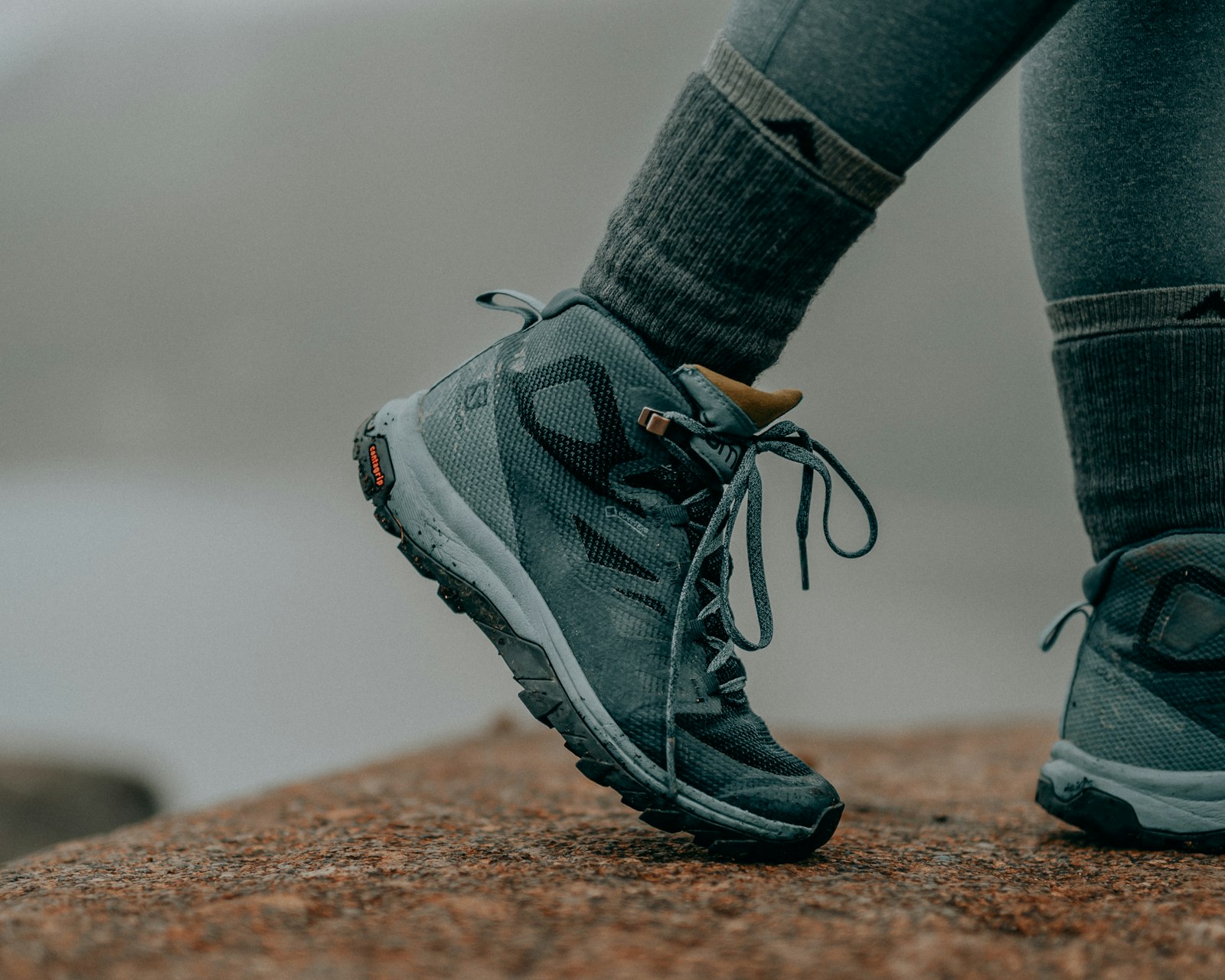
    Attach walking to something you already do. Walk after lunch, take phone calls on foot, or park farther from the entrance. A walking buddy or a dog makes it easier to stay consistent. Comfortable, supportive shoes help, and so does varying your route so it does not feel like a chore.

    To get more out of each walk, try adding hills, picking up the pace for a minute at a time, or extending one walk each week.

    Start where you are

    If you have a health condition or have been inactive for a long time, check with a doctor before ramping up. For most people, though, the best plan is simply to start with a short walk today and build from there.

    This article is for general information and is not medical advice. Talk with a doctor or other qualified professional about your own health.

  • How to Read a Nutrition Label in About a Minute

    How to Read a Nutrition Label in About a Minute

    Nutrition labels can look like a wall of numbers. The good news is you do not need to read every line. A quick scan of a few key items will tell you most of what you need to know.

    Start with the serving size

    Everything on the label is based on the serving size listed at the top. That is the first thing to check, because it is often smaller than what people actually eat. If a bag of chips lists a serving as about one ounce and you eat the whole bag, you need to multiply every number on the label accordingly. Some packages now show values for both a single serving and the whole container, which makes this easier.

    Check the calories

    Calories tell you how much energy a serving provides. Whether a number is high or low depends on your overall diet, but comparing calories between similar products is a quick way to make a choice.

    Use the percent daily value

    The percent daily value, or %DV, shows how much of a nutrient one serving contributes to a typical daily diet. A handy rule of thumb: 5 percent or less is considered low, and 20 percent or more is considered high.

    Use that rule in both directions. Look for low numbers on nutrients most people should limit, such as saturated fat, sodium, and added sugars. Look for higher numbers on nutrients many people do not get enough of, such as fiber, calcium, potassium, iron, and vitamin D.

    Look at added sugars

    Labels now list added sugars separately from total sugars. Natural sugars in fruit and milk come with other nutrients, while added sugars are put in during processing. Breakfast cereals, flavored yogurts, sauces, and drinks are common sources of surprising amounts.

    Skim the ingredient list

    Ingredients are listed by weight, from most to least. If sugar or a type of syrup appears near the top, it is a major component. A short list of recognizable ingredients is often a sign of a less processed food, though not always.

    Be wary of front-of-package claims

    Words like natural, multigrain, or made with real fruit are marketing language and may not tell you much. The nutrition facts panel on the back is the more reliable guide.

    Putting it together

    Serving size, calories, a quick look at the low and high nutrients, added sugars, and the first few ingredients. With a little practice, that check takes less than a minute and makes comparing products in the store much easier.

    This article is for general information and is not medical advice. Talk with a doctor or other qualified professional about your own health.

  • Hydration Myths: How Much Water Do You Actually Need?

    Hydration Myths: How Much Water Do You Actually Need?

    Few pieces of health advice are as widely repeated as the idea that everyone should drink eight glasses of water a day. It is simple and memorable. It is also more rigid than the evidence supports.

    Where your water comes from

    Your body gets water from more than just plain water. Coffee, tea, milk, juice, soup, and water-rich foods such as fruits and vegetables all contribute. Food alone typically provides a meaningful share of daily fluid intake. That means counting only glasses of water underestimates how much you are really taking in.

    So how much is enough?

    There is no single number that fits everyone. Needs vary with body size, activity level, climate, and health. Commonly cited general estimates for total daily fluid intake from all beverages and foods are roughly 2.7 liters for women and 3.7 liters for men, but these are broad estimates, not strict targets.

    For most healthy people, thirst is a reasonably good guide. Drinking when you are thirsty and with meals usually keeps you in a healthy range.

    Signs to watch

    Urine color is a simple check. Pale yellow generally means you are well hydrated. Dark yellow can be a sign you need more fluids. Other signs of dehydration include headache, fatigue, dizziness, and dry mouth.

    When you need more

    Hot weather, intense exercise, illness with fever, vomiting or diarrhea, and pregnancy or breastfeeding all increase fluid needs. Older adults may also need to pay closer attention, since the sense of thirst can weaken with age.

    During long or very sweaty workouts, you lose electrolytes such as sodium along with water. For most everyday exercise, water is fine, but for prolonged endurance activity, a drink or snack with electrolytes can help.

    Does coffee dehydrate you?

    This is a common belief, but for regular coffee drinkers the mild diuretic effect of caffeine is generally offset by the fluid in the drink itself. Coffee and tea do count toward your daily fluids.

    Can you drink too much?

    It is uncommon, but yes. Drinking very large amounts of water in a short time, most often during endurance events, can dilute sodium in the blood to dangerous levels. Forcing down water far beyond thirst is not necessary for most people.

    The bottom line

    You do not need to count glasses. Drink regularly, let thirst guide you, eat plenty of fruits and vegetables, and drink more when it is hot or you are active. If you have kidney, heart, or other medical conditions, follow the advice of your doctor, since fluid needs can be different.

    This article is for general information and is not medical advice. Talk with a doctor or other qualified professional about your own health.