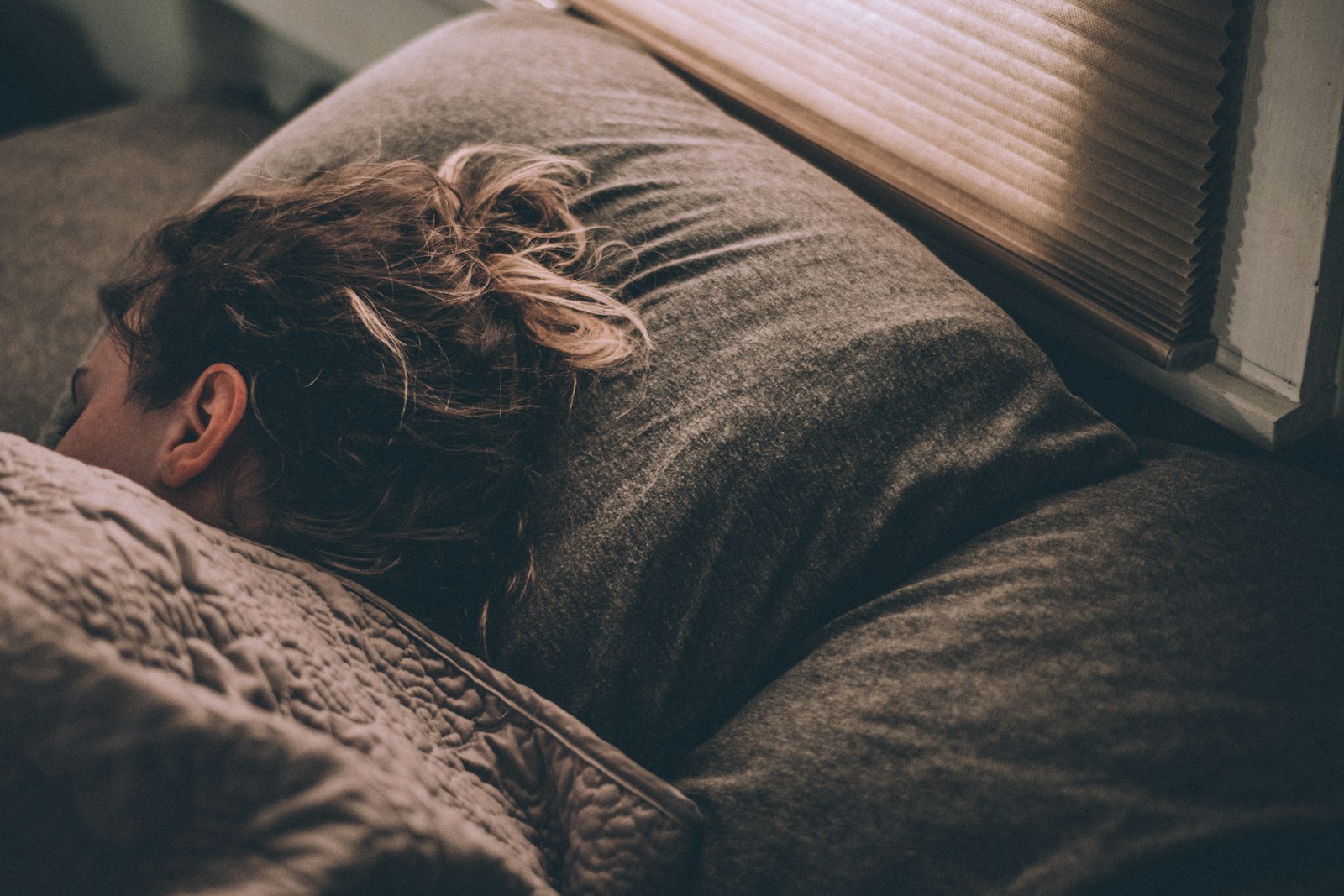
Sleep is often the first thing people sacrifice when life gets busy. Work runs late, the phone stays on, and a few hours of rest seem easy to trade away. But a growing body of research shows that consistently short sleep affects nearly every system in the body.
The general recommendation
Major health organizations recommend that adults aim for at least seven hours of sleep per night. Some people do well with a bit more, and needs shift with age, but very few adults function at their best on five or six hours over the long term, even if they feel used to it.
What short sleep does
In the short run, too little sleep slows reaction time, weakens concentration, and makes moods harder to manage. Drowsy driving is a real safety risk. Over the long run, chronically short sleep has been linked to a higher risk of weight gain, type 2 diabetes, heart disease, high blood pressure, and depression. Sleep also plays a role in immune function, which may be why people who sleep poorly can seem to catch every cold going around.
Signs you are not getting enough
Needing an alarm to drag yourself out of bed every day, relying on caffeine to get through the afternoon, nodding off during meetings or while reading, and sleeping much longer on weekends are all signs you may be running a sleep debt.
Practical ways to sleep better
Keep a consistent schedule. Going to bed and waking up at roughly the same time every day, including weekends, helps set your internal clock.
Make your bedroom dark, quiet, and cool. Blackout curtains, a fan, or earplugs can make a noticeable difference.
Watch caffeine and alcohol. Caffeine can stay in your system for many hours, so an afternoon coffee may affect sleep that night. Alcohol may help you fall asleep but tends to disrupt sleep later in the night.
Give your screens a curfew. Bright light and engaging content in the hour before bed can make it harder to wind down. A book, a shower, or light stretching can help signal that the day is over.
Get daylight early. Exposure to natural light in the morning helps anchor your sleep and wake cycle.
When to see a doctor
If you snore loudly, wake up gasping, feel exhausted despite spending enough time in bed, or struggle with insomnia for weeks at a time, talk to a doctor. Conditions such as sleep apnea and chronic insomnia are common and treatable.
This article is for general information and is not medical advice. Talk with a doctor or other qualified professional about your own health.