Wednesday, October 28, 2026Independent ideas for everyday life.

Tag: Media

  • How Streaming Rewired the Way We Watch TV

    How Streaming Rewired the Way We Watch TV

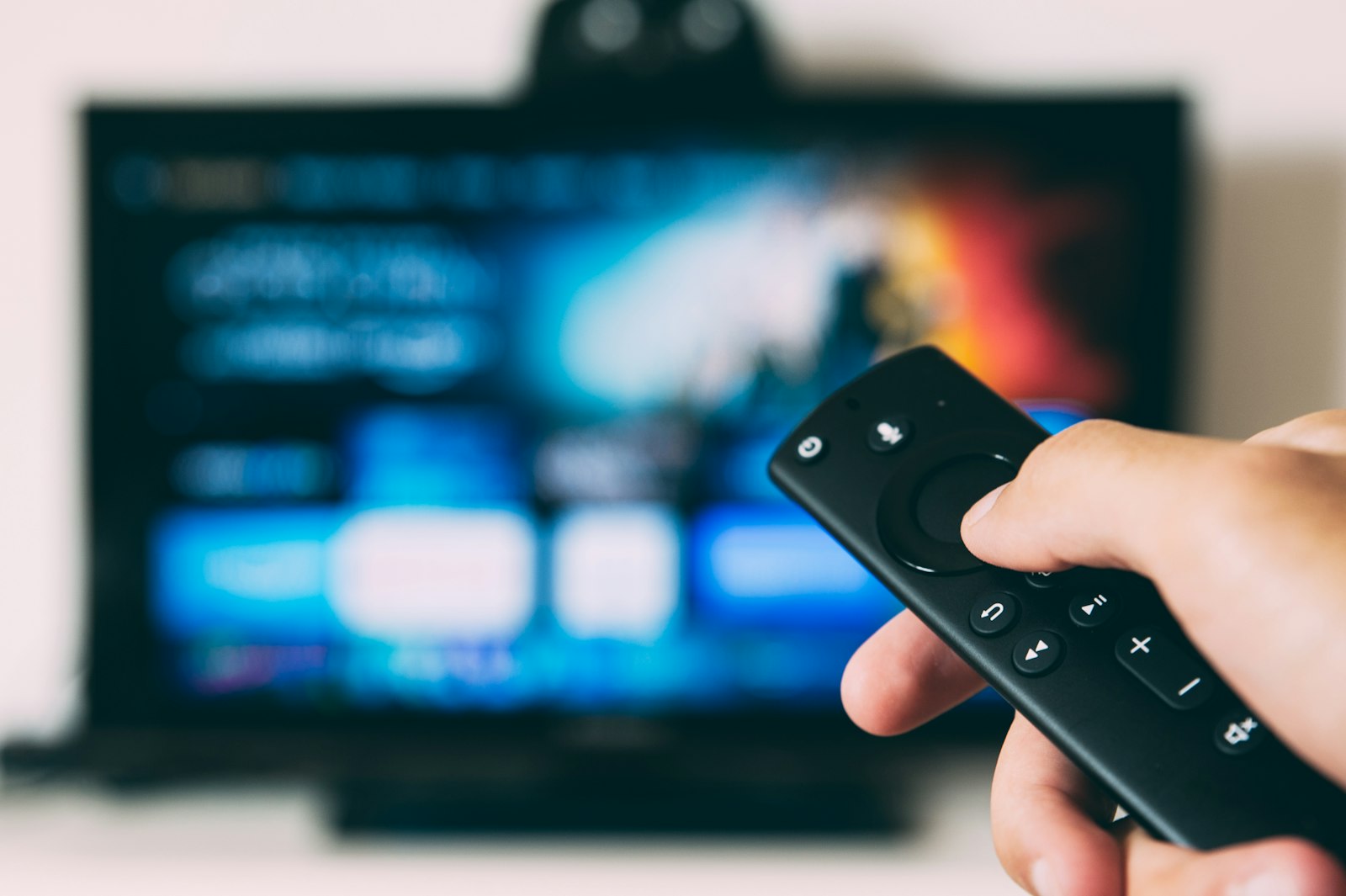
    Not long ago, watching a favorite show meant being in front of the television at a set time on a set night. Miss it, and you waited for a rerun. Streaming changed that almost completely, and the effects go far beyond convenience.

    The end of appointment viewing

    On-demand libraries let viewers watch whatever they want, whenever they want. The weekly ritual of gathering for a new episode gave way to watching on a phone during a commute or on a laptop late at night. The living room television is still important, but it is no longer the only screen that matters.

    The rise of the binge

    Releasing an entire season at once encouraged a new habit: watching several episodes, or a whole season, in a weekend. That shifted how stories were written. Cliffhangers at the end of each episode became more important, and long, slow-building plots became easier for audiences to follow because they could watch them in a short span.

    The swing back to weekly releases

    Interestingly, many services have returned to releasing episodes once a week, at least for their biggest shows. A weekly schedule keeps a show in the conversation longer, builds anticipation, and gives fans time to discuss theories online between episodes. Many shows now use a hybrid approach, dropping a few episodes at launch and then one per week.

    More shows, shorter seasons

    Streaming created a boom in production, with far more scripted series than in the broadcast era. Seasons also got shorter. Where a traditional network season might run more than twenty episodes, many streaming seasons run eight or ten. Gaps between seasons have grown longer too, sometimes stretching to two years or more.

    The subscription puzzle

    As more studios launched their own services, content that was once in one place became spread across many. Viewers now juggle multiple subscriptions, and many rotate services month to month, signing up for a new season and canceling when it ends. In response, services have added cheaper ad-supported tiers and bundles, which in some ways resembles the cable packages streaming was supposed to replace.

    What it means for viewers

    There has never been more to watch, and the challenge has shifted from finding something on to choosing among too many options. Recommendation algorithms help, but word of mouth still drives many of the biggest hits. A good habit for the streaming era: keep a running list of shows friends recommend, and subscribe to one service at a time to work through it.

  • Why Podcasts Became Everyone’s Favorite Companion

    Why Podcasts Became Everyone’s Favorite Companion

    A little over two decades ago, podcasts were a niche format for tech enthusiasts. Today they are a major part of the entertainment landscape, with shows covering just about every topic imaginable. Several factors explain how podcasts went from obscure to everywhere.

    They fit into busy lives

    The biggest advantage of podcasts is that you can listen while doing something else. Commuting, cooking, folding laundry, working out, or walking the dog all become opportunities to learn something or be entertained. Few other media fit so easily into the gaps of a day.

    Smartphones made them easy

    Early podcasts required downloading files to a computer and syncing them to a music player. Smartphones and dedicated podcast apps made subscribing and listening effortless. New episodes simply appear, ready to play. Wireless earbuds and in-car audio systems made listening even more seamless.

    The feeling of company

    Podcasts often feel personal. Hosts speak directly to listeners, sometimes for hours a week, and many people come to feel they know them. The conversational, unscripted style of many shows creates a sense of companionship that polished television rarely matches.

    Room for every niche

    Because podcasts are relatively cheap to produce, creators can serve very specific audiences. There are shows about individual sports teams, specific historical periods, single television series, hobbies, professions, and local communities. If you have an interest, there is almost certainly a podcast about it.

    Storytelling rediscovered

    Narrative podcasts, especially true crime and investigative series, introduced many listeners to the format. Serialized storytelling, with episodes released weekly and cliffhangers along the way, recalled the golden age of radio drama and kept people coming back.

    The business side

    Advertisers followed the audience, drawn by engaged listeners and host-read ads that feel like recommendations from someone listeners trust. Streaming services and media companies invested heavily, and video versions of podcasts have become increasingly popular as well.

    Finding shows worth your time

    With so many options, discovery can be tricky. Ask friends what they listen to, check the guests on shows you already like, and try the first episode of a series before giving up, since many shows improve once they find their footing. Speeding up playback slightly is a popular trick for getting through a backlog.