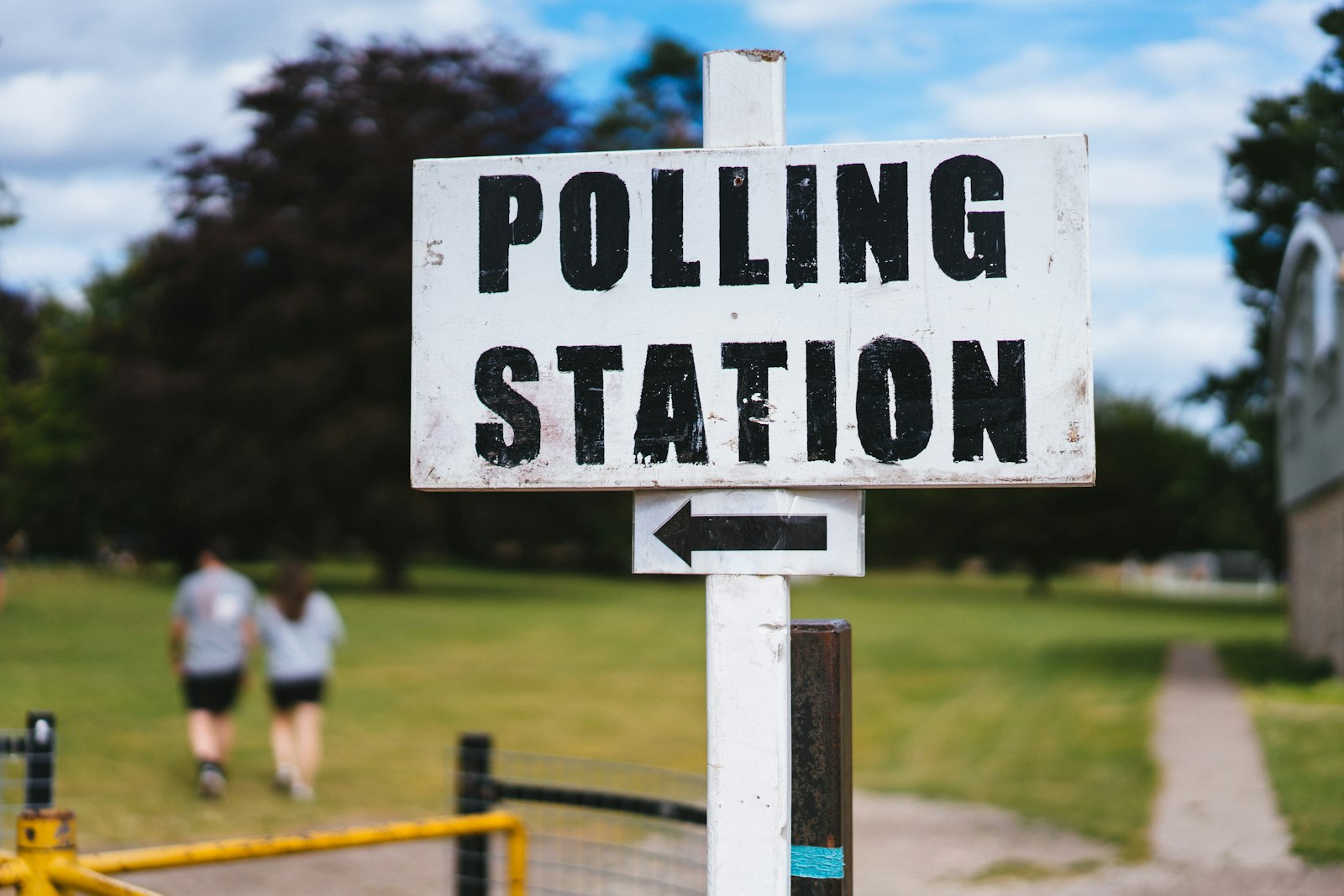
There is a strange pattern in how most people prepare to vote. We spend months absorbing coverage of the race at the very top of the ticket, where millions of ballots will be cast and our own vote is one tiny drop in an ocean. Then we reach the bottom of the ballot, where a few thousand neighbors will decide the outcome, and we guess. Sometimes we skip it entirely.
The attention we give a race and the weight our vote carries in it run in nearly opposite directions. That is worth thinking about, because it suggests most of us have our civic effort upside down.
The attention paradox
High-profile races are covered constantly because they are dramatic, national and easy to talk about. They are also the races where you already know the most and can learn the least. By the time you vote, you have likely heard the main arguments dozens of times.
The races further down are the reverse. There are few ads, little news coverage and almost no dinner-table conversation. Many voters see the candidates' names for the first time in the booth. Yet these are often the contests where the electorate is smallest, the margins are thinnest and an informed vote is rarest, which makes each one count for more.
What is actually down there
The exact offices vary from place to place, but a typical ballot can include school board members who set curriculum priorities and approve budgets, county commissioners who oversee roads, parks and land use, judges, sheriffs, prosecutors, city council seats, and ballot measures that can raise or cut local taxes.
These are the people and decisions that determine how long the line is at the clinic, whether a crosswalk gets built, how schools spend their money and what happens in a local courtroom. National politics shapes the climate. Local politics shapes the weather you actually walk through.
The quiet math of a small electorate
When fewer people vote in a race, each ballot carries more weight. Local contests are sometimes decided by a handful of votes, and in rare cases a tie is settled by drawing lots or a coin toss where state law calls for it. You will almost never be the deciding vote for a national office. In a school board race, it is far less far-fetched.
There is a second effect, too. Officials who win small races tend to pay attention to who shows up. A community where people vote the whole ballot gets local leaders who know their decisions are being watched.
Why we skip these races
It is not apathy so much as friction. There is no easy summary of the candidates, the offices have unfamiliar names, and the information is scattered across county websites, candidate pages and local papers that many of us no longer read. Faced with an unknown name, leaving it blank can feel more responsible than guessing.
That instinct is reasonable. The fix is not to guess. It is to do a small amount of homework before you get there.
A thirty-minute ballot habit
You do not need hours. A short routine before each election covers most of it:
- Look up your sample ballot on your county or state election office website a week or two before the election.
- Circle every race you could not explain to a friend.
- For each one, read the candidates' own statements and at least one nonpartisan voter guide or local news story.
- Note one question you would want answered, then see whether either candidate addresses it.
- Fill in a copy of the sample ballot and bring it with you, where your state allows.
Flipping the effort
None of this means ignoring the races at the top. It means rebalancing. If you already know how you will vote for the biggest office on the ballot, the next hour of attention you spend is almost certainly worth more further down the page.
The most influential vote you cast this year might be for an office you had never heard of until this week. Treat it that way.