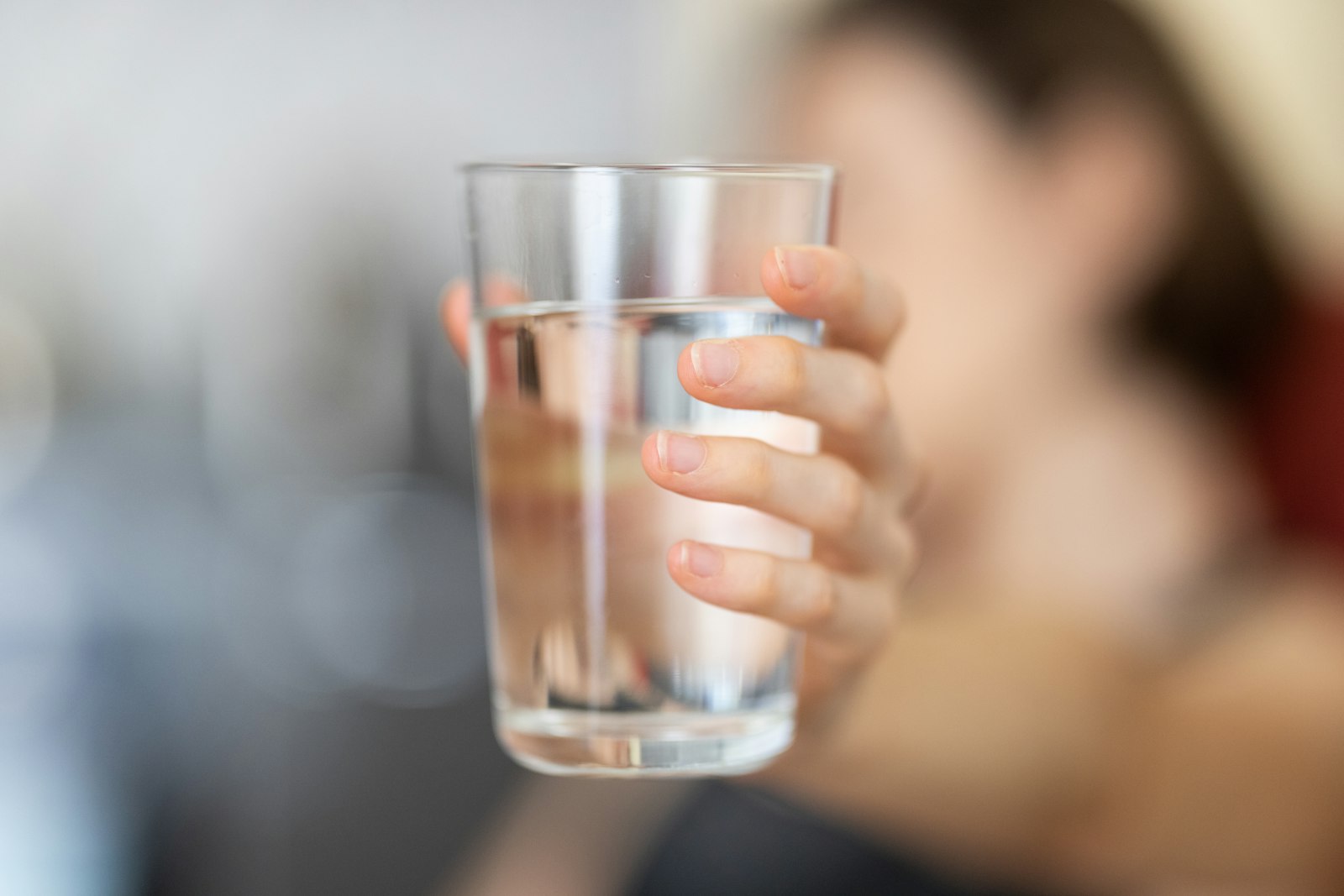
Few pieces of health advice are as widely repeated as the idea that everyone should drink eight glasses of water a day. It is simple and memorable. It is also more rigid than the evidence supports.
Where your water comes from
Your body gets water from more than just plain water. Coffee, tea, milk, juice, soup, and water-rich foods such as fruits and vegetables all contribute. Food alone typically provides a meaningful share of daily fluid intake. That means counting only glasses of water underestimates how much you are really taking in.
So how much is enough?
There is no single number that fits everyone. Needs vary with body size, activity level, climate, and health. Commonly cited general estimates for total daily fluid intake from all beverages and foods are roughly 2.7 liters for women and 3.7 liters for men, but these are broad estimates, not strict targets.
For most healthy people, thirst is a reasonably good guide. Drinking when you are thirsty and with meals usually keeps you in a healthy range.
Signs to watch
Urine color is a simple check. Pale yellow generally means you are well hydrated. Dark yellow can be a sign you need more fluids. Other signs of dehydration include headache, fatigue, dizziness, and dry mouth.
When you need more
Hot weather, intense exercise, illness with fever, vomiting or diarrhea, and pregnancy or breastfeeding all increase fluid needs. Older adults may also need to pay closer attention, since the sense of thirst can weaken with age.
During long or very sweaty workouts, you lose electrolytes such as sodium along with water. For most everyday exercise, water is fine, but for prolonged endurance activity, a drink or snack with electrolytes can help.
Does coffee dehydrate you?
This is a common belief, but for regular coffee drinkers the mild diuretic effect of caffeine is generally offset by the fluid in the drink itself. Coffee and tea do count toward your daily fluids.
Can you drink too much?
It is uncommon, but yes. Drinking very large amounts of water in a short time, most often during endurance events, can dilute sodium in the blood to dangerous levels. Forcing down water far beyond thirst is not necessary for most people.
The bottom line
You do not need to count glasses. Drink regularly, let thirst guide you, eat plenty of fruits and vegetables, and drink more when it is hot or you are active. If you have kidney, heart, or other medical conditions, follow the advice of your doctor, since fluid needs can be different.
This article is for general information and is not medical advice. Talk with a doctor or other qualified professional about your own health.