Wednesday, October 28, 2026Independent ideas for everyday life.

Tag: Healthy Eating

  • Meal Prep for People Who Hate Meal Prep

    Meal Prep for People Who Hate Meal Prep

    Meal prep has an image problem. Search for it online and you will find rows of identical containers holding the same chicken, rice, and broccoli for five straight days. For many people, that looks less like a plan and more like a punishment. The good news is that there is a more flexible way to do it.

    Prep ingredients, not meals

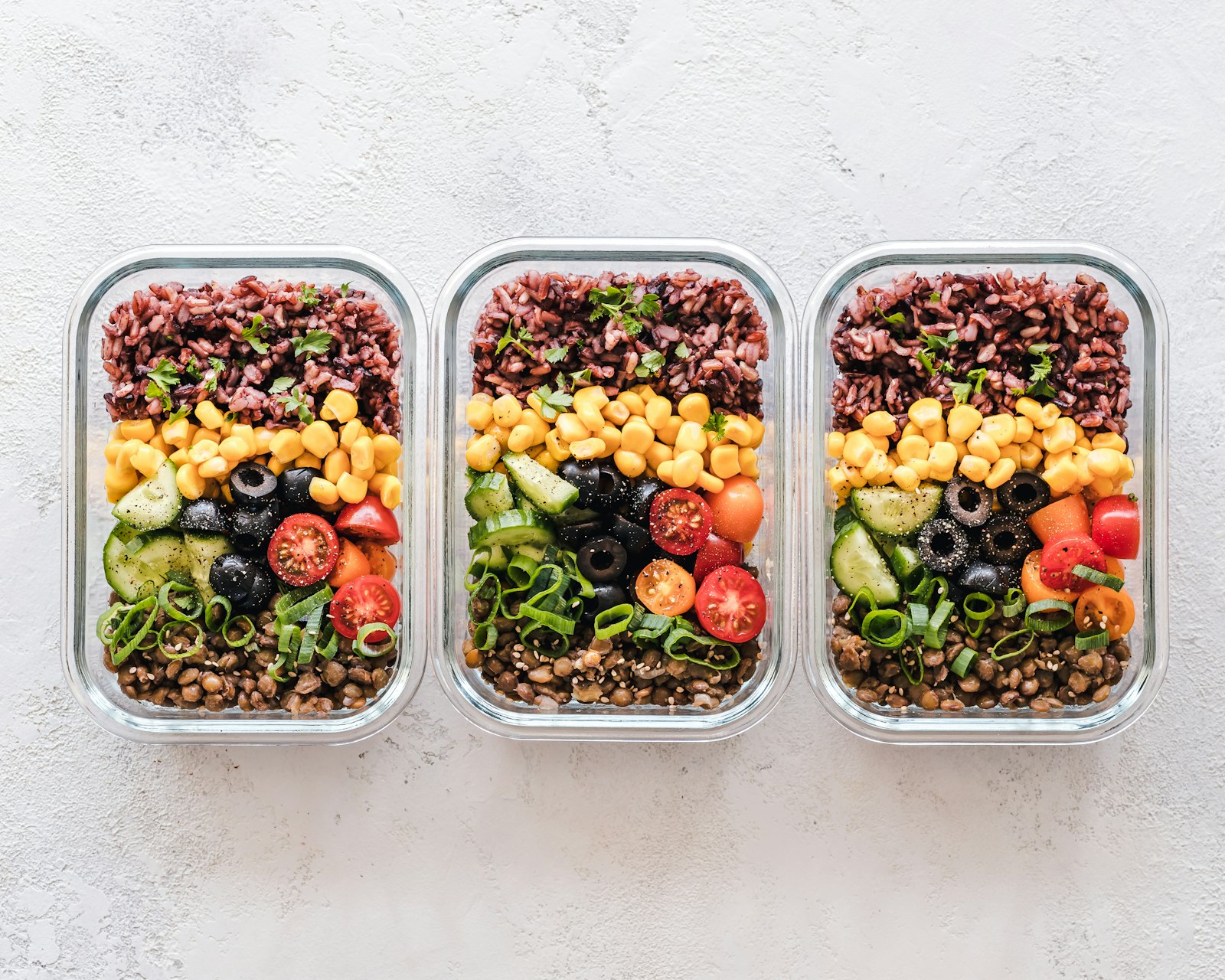
    Instead of cooking complete meals in advance, prepare components you can mix and match. Cook a batch of grains such as rice or quinoa, roast a big tray of vegetables, cook one or two proteins, and make a sauce or dressing. During the week, combine them in different ways: a grain bowl one night, tacos the next, a stir-fry or salad after that. Same ingredients, very different meals.

    Keep the session short

    You do not need to give up your whole Sunday. One to two hours is plenty for the basics. Start whatever takes longest first, such as roasting vegetables or cooking grains, and chop or prepare other items while those cook.

    Do the annoying jobs in advance

    Sometimes the biggest time saver is simply doing the tedious tasks ahead of time. Wash and dry salad greens, chop onions, peppers, and carrots, and portion snacks into grab-and-go bags. On a busy weeknight, having vegetables already chopped can be the difference between cooking and ordering takeout.

    Cook once, eat twice

    When you do cook a full meal, make extra. A big pot of soup, chili, or curry can become lunch the next day and a frozen dinner for later. Many dishes taste even better the second day.

    Use the freezer

    The freezer extends your prep well beyond a few days. Soups, stews, cooked grains, meatballs, burritos, and baked goods freeze well. Label containers with the contents and date. A stash of frozen meals is a cheap insurance policy against nights when you are too tired to cook.

    Keep food safe

    Most cooked leftovers are best eaten within three to four days when refrigerated. Cool food quickly before storing it, and use shallow containers so it chills evenly. When in doubt, freeze portions you will not get to in time.

    Why it is worth it

    Even a light version of meal prep can cut down on takeout, reduce food waste, and remove the nightly question of what is for dinner. Start small: prep just one thing this week, like a batch of grains and a tray of roasted vegetables, and see how much easier the week feels.
  • How to Read a Nutrition Label in About a Minute

    How to Read a Nutrition Label in About a Minute

    Nutrition labels can look like a wall of numbers. The good news is you do not need to read every line. A quick scan of a few key items will tell you most of what you need to know.

    Start with the serving size

    Everything on the label is based on the serving size listed at the top. That is the first thing to check, because it is often smaller than what people actually eat. If a bag of chips lists a serving as about one ounce and you eat the whole bag, you need to multiply every number on the label accordingly. Some packages now show values for both a single serving and the whole container, which makes this easier.

    Check the calories

    Calories tell you how much energy a serving provides. Whether a number is high or low depends on your overall diet, but comparing calories between similar products is a quick way to make a choice.

    Use the percent daily value

    The percent daily value, or %DV, shows how much of a nutrient one serving contributes to a typical daily diet. A handy rule of thumb: 5 percent or less is considered low, and 20 percent or more is considered high.

    Use that rule in both directions. Look for low numbers on nutrients most people should limit, such as saturated fat, sodium, and added sugars. Look for higher numbers on nutrients many people do not get enough of, such as fiber, calcium, potassium, iron, and vitamin D.

    Look at added sugars

    Labels now list added sugars separately from total sugars. Natural sugars in fruit and milk come with other nutrients, while added sugars are put in during processing. Breakfast cereals, flavored yogurts, sauces, and drinks are common sources of surprising amounts.

    Skim the ingredient list

    Ingredients are listed by weight, from most to least. If sugar or a type of syrup appears near the top, it is a major component. A short list of recognizable ingredients is often a sign of a less processed food, though not always.

    Be wary of front-of-package claims

    Words like natural, multigrain, or made with real fruit are marketing language and may not tell you much. The nutrition facts panel on the back is the more reliable guide.

    Putting it together

    Serving size, calories, a quick look at the low and high nutrients, added sugars, and the first few ingredients. With a little practice, that check takes less than a minute and makes comparing products in the store much easier.

    This article is for general information and is not medical advice. Talk with a doctor or other qualified professional about your own health.