Wednesday, October 28, 2026Independent ideas for everyday life.

Tag: Fiction

  • The Last Shift at the Corner Diner

    The Last Shift at the Corner Diner

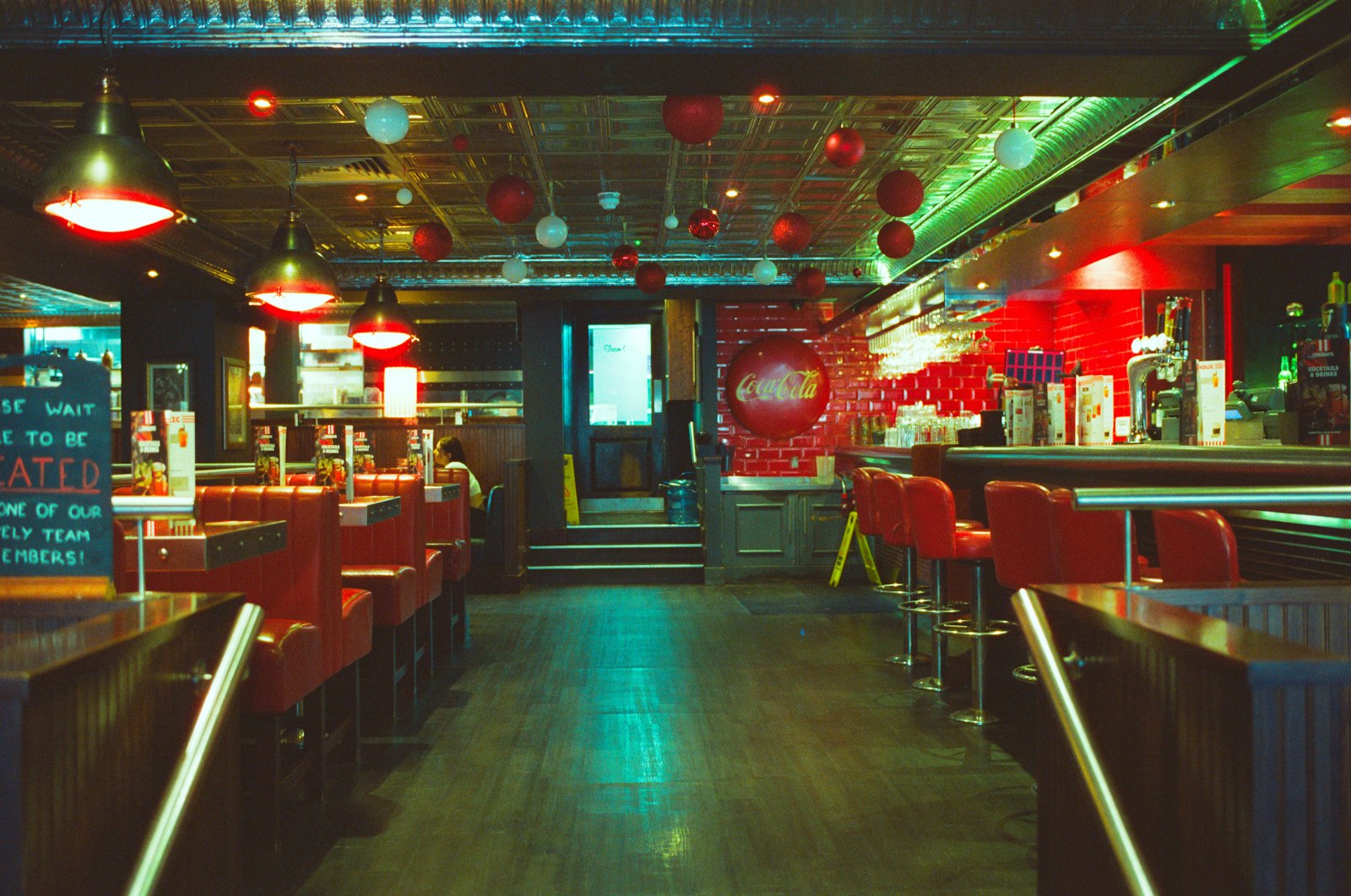
    Rosa Delgado had poured roughly a million cups of coffee at the Corner Diner. She knew because Walt, the retired accountant who sat at the third stool every morning for twenty years, had once worked it out on a napkin. A million cups, he said, give or take a few thousand refills he had personally requested.

    On her last morning, she arrived at 5:15 like always. She flipped on the lights, started the big silver urns, and wiped down the counter that had been wiped down so many times the laminate had gone soft and pale along the edge.

    The diner had been sold. The new owners were nice enough. They planned to keep the name and most of the menu. But Rosa was sixty-seven, her knees had opinions about the morning rush, and her granddaughter in Phoenix kept sending photos of a guest room with a quilt on the bed.

    She had told almost no one. She did not want a fuss.

    At six, the door chimed and Walt came in, though Walt had passed away three winters ago. It took her a moment to realize it was his son, Danny, who had his father's walk and his father's terrible taste in sweaters.

    Third stool, Danny said, sitting down. Black coffee. Dad would want me to file a complaint if you did not top it off.

    She laughed and poured. Behind him, the door chimed again.

    By seven, every stool was taken. By seven thirty, people were standing along the windows. There was the high school principal, who had done her homework in the corner booth as a teenager. There were two firefighters, the woman from the flower shop, a young couple who had their first date over pancakes in booth four, and their toddler, who was mostly interested in the sugar packets.

    Someone had told. Someone always tells in a small town.

    Rosa kept pouring. Her hands knew the work even when her eyes were stinging. People did not make speeches. They did what they had always done there: they talked, they argued about the weather and the football team, and they asked for more coffee. It was exactly the goodbye she would have chosen if she had been brave enough to ask for one.

    At eleven, when the rush finally thinned, the principal handed her a thick envelope. Inside were dozens of napkins, each with a note written on it. Thank you for the free pie the week I lost my job. Thank you for remembering my name. Thank you for always saving the last cinnamon roll for my mom.

    At the bottom of the stack was a napkin in faded pencil, folded soft with age. Danny had found it in his father's desk. On it was a long column of figures and, at the bottom, a total circled twice.

    One million cups, it said. Give or take.

    This story is a work of fiction. Names, characters, and events are products of imagination.

  • The Letter in the Library Book

    The Letter in the Library Book

    Theo almost did not notice the envelope. It was pressed flat between pages 212 and 213 of a worn library copy of a sea novel no one had borrowed since the date stamps stopped being stamped. The paper was the color of weak tea. The address was written in careful blue ink to someone named June, at an apartment on Calloway Street.

    It had never been mailed. There was no stamp.

    He told himself it was none of his business. He told himself that for almost three days. Then he opened it.

    Dear June, it began. I am writing this because I am not brave enough to say it. I am leaving for the coast in the morning to take the job on the boats. I should have asked you to come, and I did not, because I was afraid you would say no. I am asking now. If you would come, meet me at the station on the 14th. If you do not come, I will understand, and I will think of you kindly for the rest of my life. Yours, Henry.

    Theo read it twice, then sat very still in his kitchen. Somewhere, fifty-odd years ago, a young man had waited at a train station for someone who never received his question.

    The librarian, a patient woman named Mrs. Okafor, helped him search the old city directories. There was a June Whitaker on Calloway Street in the right years. After that, the trail went quiet, then picked up again under a married name, then led to a retirement community on the north side of town.

    He went on a Sunday, the letter in a plastic sleeve, feeling foolish and nervous. The woman at the front desk listened to his story, raised her eyebrows, and made a phone call.

    June was ninety-one, small and sharp-eyed, with a cardigan buttoned to the top. She read the letter without her glasses, holding it at arm's length. Then she read it again. For a long time, she did not say anything.

    I waited for him to ask, she finally said. All that summer. I thought he did not care enough to.

    Theo did not know what to say, so he said he was sorry.

    Don't be, she said, and surprised him by smiling. I had a good life. A good husband, three children, more grandchildren than I can keep track of. But it is a strange gift, at my age, to find out you were loved by someone you thought had forgotten you.

    She asked him to leave the letter with her. Of course he did.

    A month later, a note arrived at the library addressed to Theo. Inside was a photograph of June at a seaside town, wind in her white hair, standing outside a small harbor museum where a faded photo of a young deckhand named Henry hung on the wall.

    On the back, she had written: Better late than never. Thank you for delivering the mail.

    This story is a work of fiction. Names, characters, and events are products of imagination.
  • What the Garden Remembers

    What the Garden Remembers

    The garden behind her grandfather's house had gone wild in the two years since he died. Blackberry canes arched over the path. Weeds had swallowed the raised beds. The old apple tree leaned toward the fence as if it were trying to leave.

    Mara had inherited the house and, she assumed, the job of clearing all of it before selling. She arrived with work gloves, a borrowed set of pruning shears, and a plan to be finished in a weekend.

    She was not finished in a weekend.

    The first surprise came on the second morning, when she cut back a mass of bindweed and found a row of small painted stones half buried in the dirt. Each one had a word on it in her grandfather's blocky handwriting. Tomatoes. Beans. Mara's strawberries.

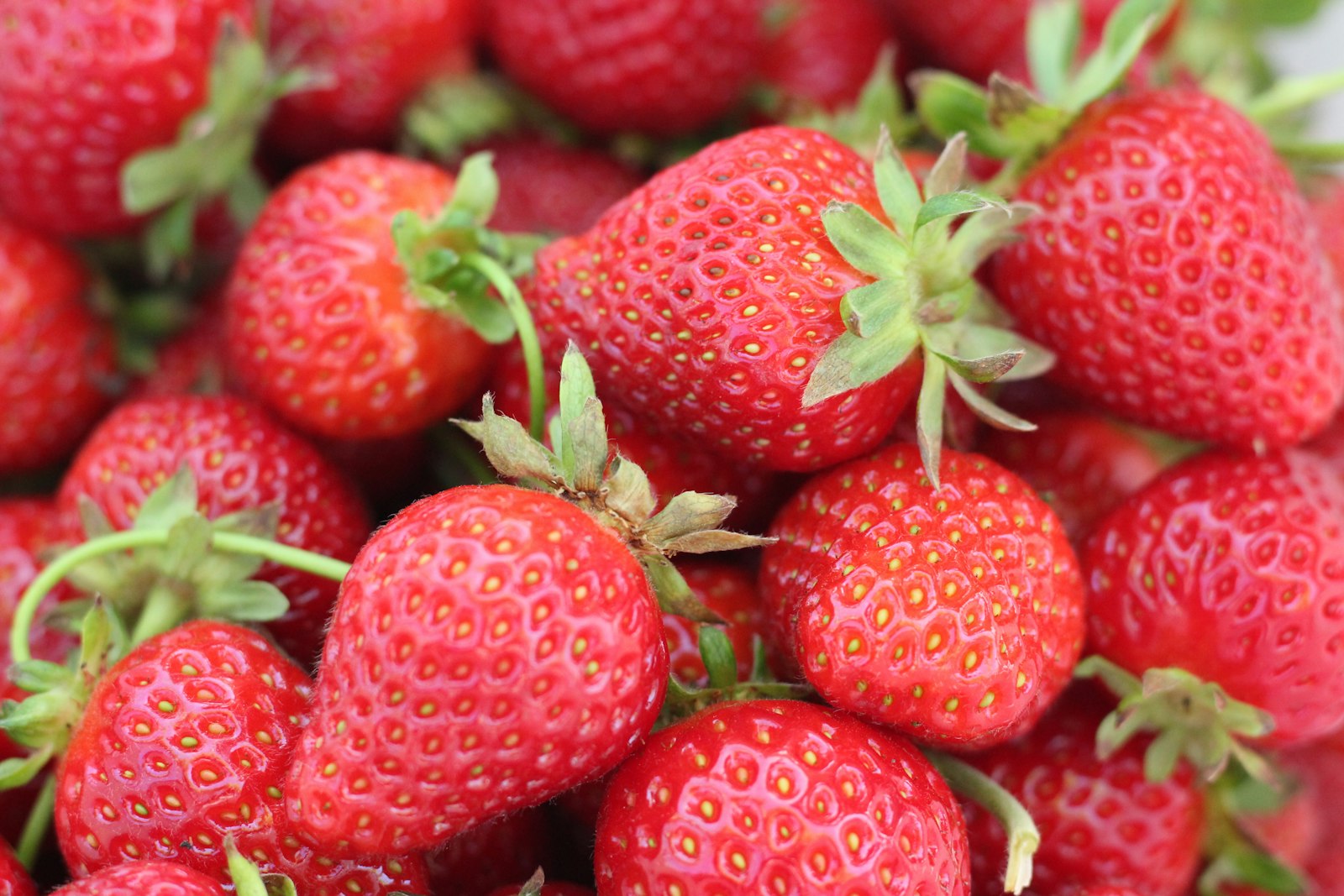
    She sat down hard on the overturned bucket. She had forgotten the strawberries. When she was seven, he had given her a corner of the garden to call her own. She had planted strawberries and checked them every hour, convinced she could watch them grow. Under the weeds, a few stubborn plants were still there, sending out runners into the bare soil.

    After that, she worked more slowly.

    In the shed, she found his notebooks. Decades of them, spiral-bound and water-stained, recording planting dates, first frosts, which tomatoes split in the rain and which ones did not. Between the practical notes were other lines. Mara visited today. Ate six strawberries off the plant before I could stop her. Good.

    She started following the notebooks. She cleared the beds he had used for beans and planted beans. She pruned the apple tree the way he had described, nervous the whole time that she was doing it wrong. Neighbors leaned over the fence to offer advice, and almost all of them had a story about him: the zucchini he left on doorsteps every August, the seedlings he gave away each spring, the time he taught a whole class of second graders how to plant potatoes.

    By midsummer, the garden looked less like a jungle and more like a garden. The real estate agent called twice. Mara let the calls go to voicemail.

    One evening in July, she knelt by her old corner and found the first ripe strawberry, small and bright and warm from the sun. She ate it right there, standing in the dirt, and laughed out loud for the first time in weeks.

    That night, she opened a new notebook and wrote the date on the first page. Underneath, she wrote: Strawberries came back. Not selling yet.

    The next spring, she gave away seedlings to anyone who walked past the gate. And in August, a few surprised neighbors found zucchini on their doorsteps.

    This story is a work of fiction. Names, characters, and events are products of imagination.
  • The Night the Power Went Out

    The Night the Power Went Out

    The storm hit Juniper Street a little after eight, fast and loud, the kind of summer storm that turns the sky green and sends patio chairs skittering across lawns. At 8:41, a transformer at the end of the block let out a sharp blue flash, and every house went dark at once.

    For a while, nobody did anything. People stood at their windows holding phones up like flashlights, waiting for the lights to blink back on. They did not. The utility company's website, for those who could still load it, estimated restoration sometime the next afternoon.

    The rain stopped around nine, leaving the air cool and the street shining under a sky that, for the first time in years, actually showed stars.

    Mr. Petrakis at number twelve was the first to come outside. He had a freezer full of food that was going to spoil, he explained to no one in particular, and a charcoal grill that did not need electricity. He lit it on his driveway and started cooking.

    The smell did the rest.

    The Nguyen kids came out first, then their parents, carrying a cooler of drinks that were not going to stay cold anyway. The young couple from number seven, who had lived on the street for a year and spoken to almost no one, brought a camping lantern and a bag of marshmallows. Mrs. Abernathy, who was eighty and mostly known for complaining about leaves, brought out a folding table and, unexpectedly, a guitar.

    By ten o'clock, there were twenty people on the Petrakis driveway. Someone dragged out lawn chairs. Someone else brought a box of candles. The teenagers, cut off from their phones, organized a game of flashlight tag that turned the whole street into a playground.

    People talked. Really talked. The Nguyens learned that the quiet couple at number seven were nurses who worked opposite night shifts and almost never saw each other awake. Mr. Petrakis told stories about the island where he grew up. Mrs. Abernathy, it turned out, had played in a band in the sixties and still knew every word to every song anyone could name.

    At some point, a little after midnight, the lights came back on. All at once, porch lights and televisions and air conditioners hummed to life up and down the street.

    There was a pause. Somebody laughed. Then, without anyone saying anything, the young couple from number seven reached over and switched their lantern back on, and Mrs. Abernathy started another song.

    They stayed out until almost two.

    The next week, a flyer appeared on every door on Juniper Street. Block party, it said. Last Saturday of the month. Bring a dish. No power outage required.

    This story is a work of fiction. Names, characters, and events are products of imagination.