The garden behind her grandfather's house had gone wild in the two years since he died. Blackberry canes arched over the path. Weeds had swallowed the raised beds. The old apple tree leaned toward the fence as if it were trying to leave.
Mara had inherited the house and, she assumed, the job of clearing all of it before selling. She arrived with work gloves, a borrowed set of pruning shears, and a plan to be finished in a weekend.
She was not finished in a weekend.
The first surprise came on the second morning, when she cut back a mass of bindweed and found a row of small painted stones half buried in the dirt. Each one had a word on it in her grandfather's blocky handwriting. Tomatoes. Beans. Mara's strawberries.
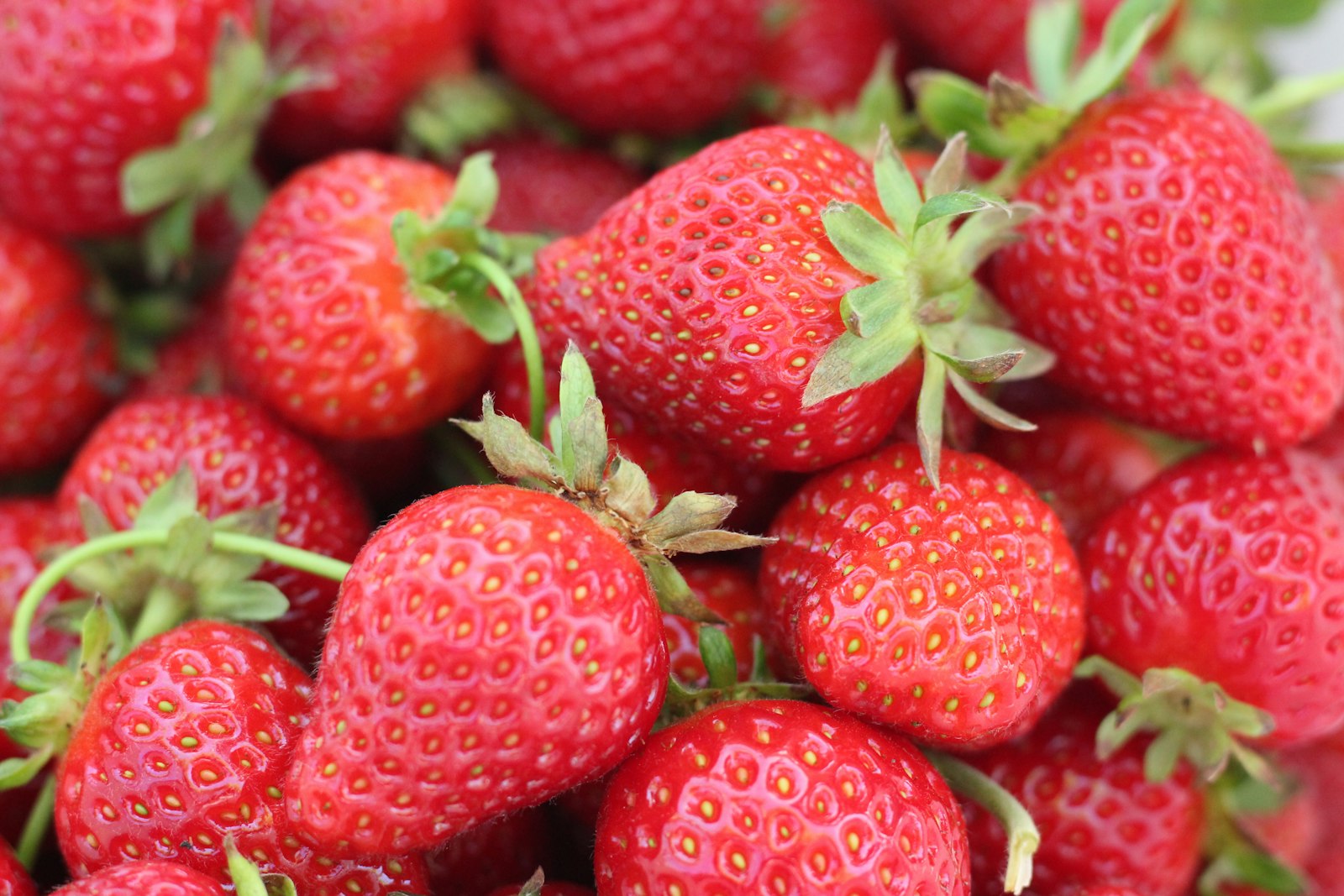
She sat down hard on the overturned bucket. She had forgotten the strawberries. When she was seven, he had given her a corner of the garden to call her own. She had planted strawberries and checked them every hour, convinced she could watch them grow. Under the weeds, a few stubborn plants were still there, sending out runners into the bare soil.
After that, she worked more slowly.
In the shed, she found his notebooks. Decades of them, spiral-bound and water-stained, recording planting dates, first frosts, which tomatoes split in the rain and which ones did not. Between the practical notes were other lines. Mara visited today. Ate six strawberries off the plant before I could stop her. Good.
She started following the notebooks. She cleared the beds he had used for beans and planted beans. She pruned the apple tree the way he had described, nervous the whole time that she was doing it wrong. Neighbors leaned over the fence to offer advice, and almost all of them had a story about him: the zucchini he left on doorsteps every August, the seedlings he gave away each spring, the time he taught a whole class of second graders how to plant potatoes.
By midsummer, the garden looked less like a jungle and more like a garden. The real estate agent called twice. Mara let the calls go to voicemail.
One evening in July, she knelt by her old corner and found the first ripe strawberry, small and bright and warm from the sun. She ate it right there, standing in the dirt, and laughed out loud for the first time in weeks.
That night, she opened a new notebook and wrote the date on the first page. Underneath, she wrote: Strawberries came back. Not selling yet.
The next spring, she gave away seedlings to anyone who walked past the gate. And in August, a few surprised neighbors found zucchini on their doorsteps.
This story is a work of fiction. Names, characters, and events are products of imagination.