Wednesday, October 28, 2026Independent ideas for everyday life.

Tag: Community

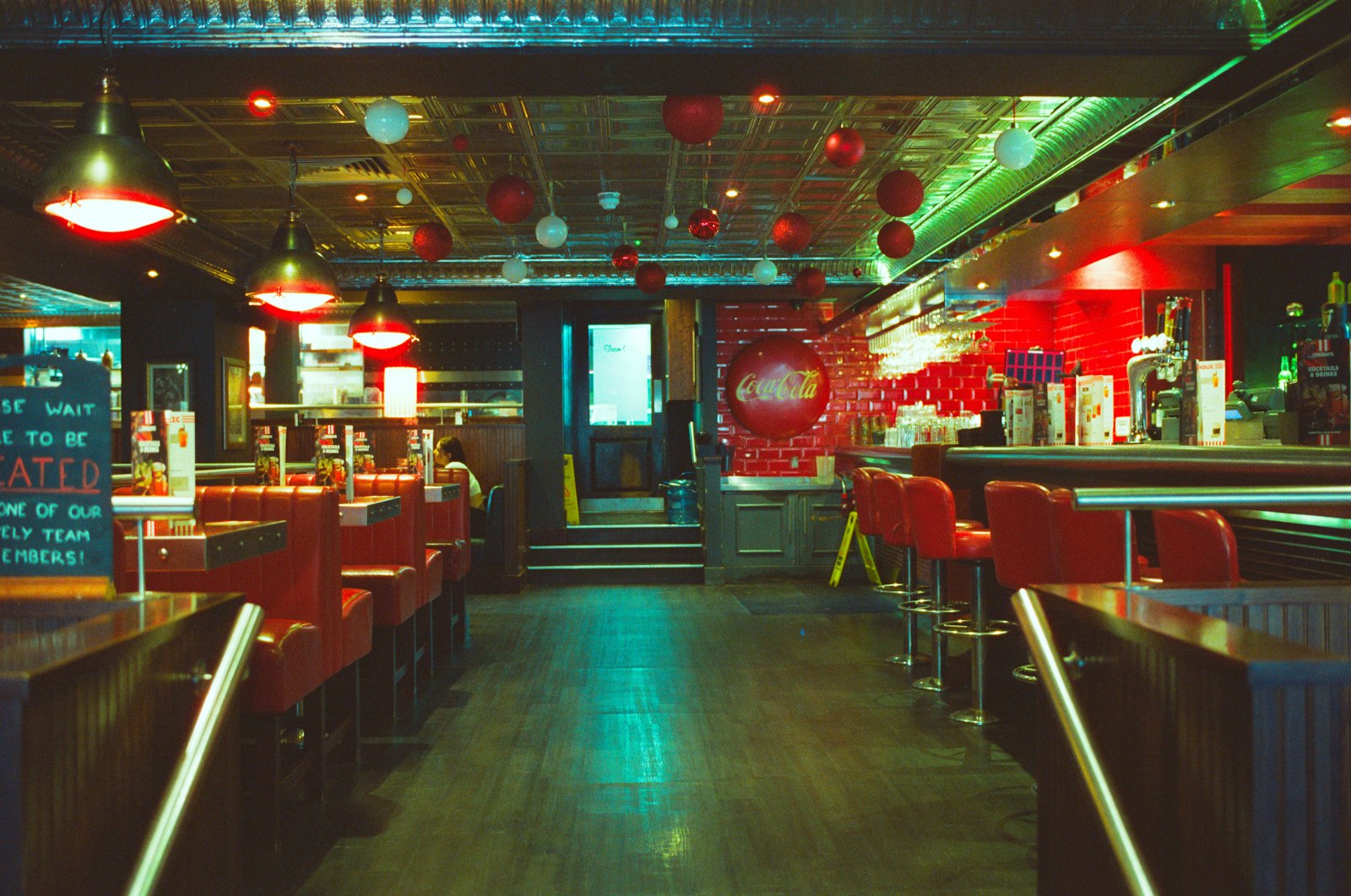
  • The Last Shift at the Corner Diner

    The Last Shift at the Corner Diner

    Rosa Delgado had poured roughly a million cups of coffee at the Corner Diner. She knew because Walt, the retired accountant who sat at the third stool every morning for twenty years, had once worked it out on a napkin. A million cups, he said, give or take a few thousand refills he had personally requested.

    On her last morning, she arrived at 5:15 like always. She flipped on the lights, started the big silver urns, and wiped down the counter that had been wiped down so many times the laminate had gone soft and pale along the edge.

    The diner had been sold. The new owners were nice enough. They planned to keep the name and most of the menu. But Rosa was sixty-seven, her knees had opinions about the morning rush, and her granddaughter in Phoenix kept sending photos of a guest room with a quilt on the bed.

    She had told almost no one. She did not want a fuss.

    At six, the door chimed and Walt came in, though Walt had passed away three winters ago. It took her a moment to realize it was his son, Danny, who had his father's walk and his father's terrible taste in sweaters.

    Third stool, Danny said, sitting down. Black coffee. Dad would want me to file a complaint if you did not top it off.

    She laughed and poured. Behind him, the door chimed again.

    By seven, every stool was taken. By seven thirty, people were standing along the windows. There was the high school principal, who had done her homework in the corner booth as a teenager. There were two firefighters, the woman from the flower shop, a young couple who had their first date over pancakes in booth four, and their toddler, who was mostly interested in the sugar packets.

    Someone had told. Someone always tells in a small town.

    Rosa kept pouring. Her hands knew the work even when her eyes were stinging. People did not make speeches. They did what they had always done there: they talked, they argued about the weather and the football team, and they asked for more coffee. It was exactly the goodbye she would have chosen if she had been brave enough to ask for one.

    At eleven, when the rush finally thinned, the principal handed her a thick envelope. Inside were dozens of napkins, each with a note written on it. Thank you for the free pie the week I lost my job. Thank you for remembering my name. Thank you for always saving the last cinnamon roll for my mom.

    At the bottom of the stack was a napkin in faded pencil, folded soft with age. Danny had found it in his father's desk. On it was a long column of figures and, at the bottom, a total circled twice.

    One million cups, it said. Give or take.

    This story is a work of fiction. Names, characters, and events are products of imagination.
  • The Night the Power Went Out

    The Night the Power Went Out

    The storm hit Juniper Street a little after eight, fast and loud, the kind of summer storm that turns the sky green and sends patio chairs skittering across lawns. At 8:41, a transformer at the end of the block let out a sharp blue flash, and every house went dark at once.

    For a while, nobody did anything. People stood at their windows holding phones up like flashlights, waiting for the lights to blink back on. They did not. The utility company's website, for those who could still load it, estimated restoration sometime the next afternoon.

    The rain stopped around nine, leaving the air cool and the street shining under a sky that, for the first time in years, actually showed stars.

    Mr. Petrakis at number twelve was the first to come outside. He had a freezer full of food that was going to spoil, he explained to no one in particular, and a charcoal grill that did not need electricity. He lit it on his driveway and started cooking.

    The smell did the rest.

    The Nguyen kids came out first, then their parents, carrying a cooler of drinks that were not going to stay cold anyway. The young couple from number seven, who had lived on the street for a year and spoken to almost no one, brought a camping lantern and a bag of marshmallows. Mrs. Abernathy, who was eighty and mostly known for complaining about leaves, brought out a folding table and, unexpectedly, a guitar.

    By ten o'clock, there were twenty people on the Petrakis driveway. Someone dragged out lawn chairs. Someone else brought a box of candles. The teenagers, cut off from their phones, organized a game of flashlight tag that turned the whole street into a playground.

    People talked. Really talked. The Nguyens learned that the quiet couple at number seven were nurses who worked opposite night shifts and almost never saw each other awake. Mr. Petrakis told stories about the island where he grew up. Mrs. Abernathy, it turned out, had played in a band in the sixties and still knew every word to every song anyone could name.

    At some point, a little after midnight, the lights came back on. All at once, porch lights and televisions and air conditioners hummed to life up and down the street.

    There was a pause. Somebody laughed. Then, without anyone saying anything, the young couple from number seven reached over and switched their lantern back on, and Mrs. Abernathy started another song.

    They stayed out until almost two.

    The next week, a flyer appeared on every door on Juniper Street. Block party, it said. Last Saturday of the month. Bring a dish. No power outage required.

    This story is a work of fiction. Names, characters, and events are products of imagination.