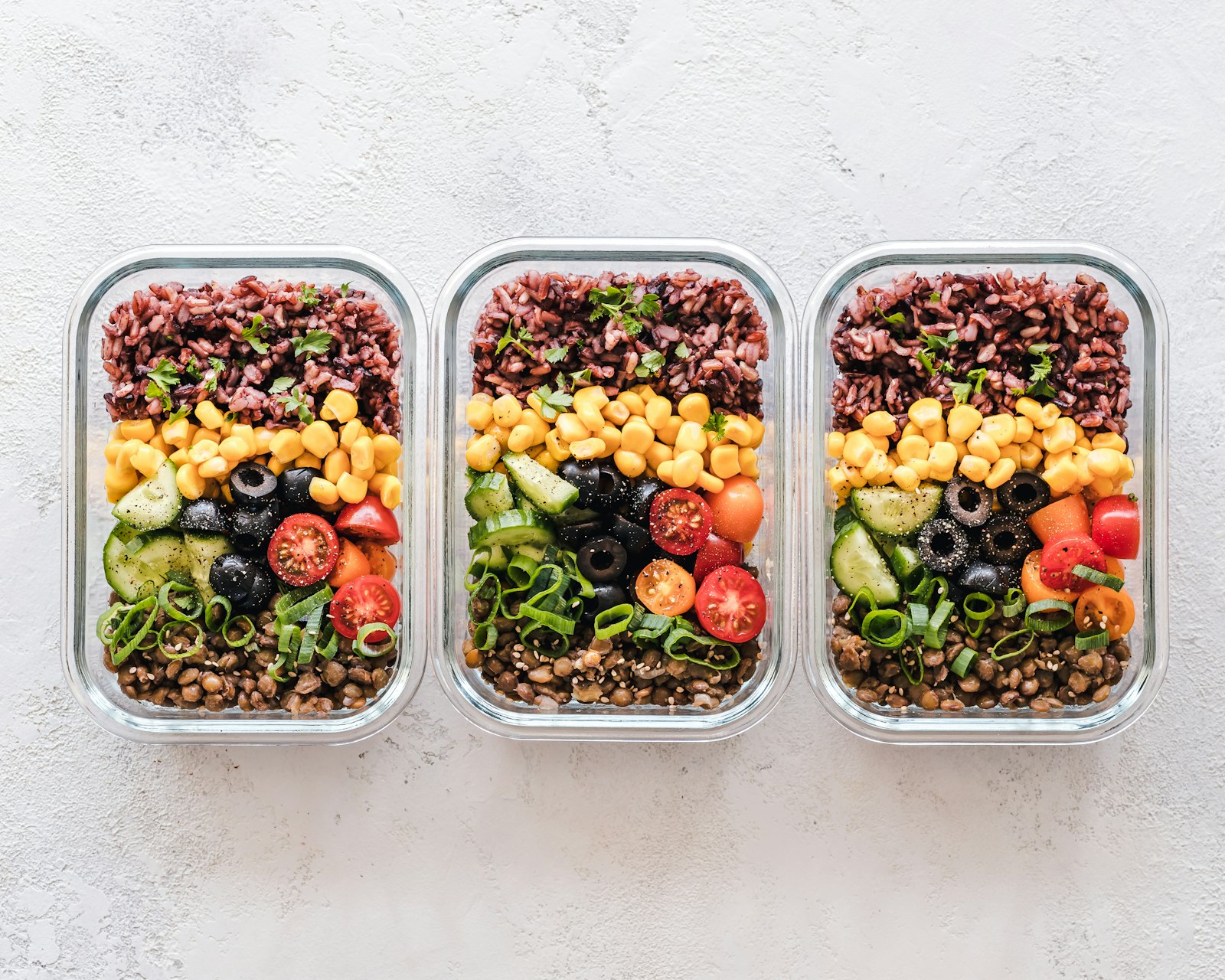
Meal prep has an image problem. Search for it online and you will find rows of identical containers holding the same chicken, rice, and broccoli for five straight days. For many people, that looks less like a plan and more like a punishment. The good news is that there is a more flexible way to do it.
Prep ingredients, not meals
Instead of cooking complete meals in advance, prepare components you can mix and match. Cook a batch of grains such as rice or quinoa, roast a big tray of vegetables, cook one or two proteins, and make a sauce or dressing. During the week, combine them in different ways: a grain bowl one night, tacos the next, a stir-fry or salad after that. Same ingredients, very different meals.
Keep the session short
You do not need to give up your whole Sunday. One to two hours is plenty for the basics. Start whatever takes longest first, such as roasting vegetables or cooking grains, and chop or prepare other items while those cook.
Do the annoying jobs in advance
Sometimes the biggest time saver is simply doing the tedious tasks ahead of time. Wash and dry salad greens, chop onions, peppers, and carrots, and portion snacks into grab-and-go bags. On a busy weeknight, having vegetables already chopped can be the difference between cooking and ordering takeout.
Cook once, eat twice
When you do cook a full meal, make extra. A big pot of soup, chili, or curry can become lunch the next day and a frozen dinner for later. Many dishes taste even better the second day.
Use the freezer
The freezer extends your prep well beyond a few days. Soups, stews, cooked grains, meatballs, burritos, and baked goods freeze well. Label containers with the contents and date. A stash of frozen meals is a cheap insurance policy against nights when you are too tired to cook.
Keep food safe
Most cooked leftovers are best eaten within three to four days when refrigerated. Cool food quickly before storing it, and use shallow containers so it chills evenly. When in doubt, freeze portions you will not get to in time.
Why it is worth it
Even a light version of meal prep can cut down on takeout, reduce food waste, and remove the nightly question of what is for dinner. Start small: prep just one thing this week, like a batch of grains and a tray of roasted vegetables, and see how much easier the week feels.