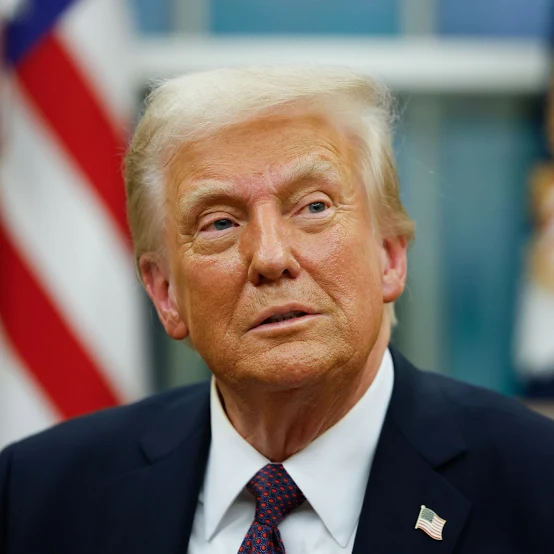
As the nation moves through 2026, former President Donald Trump continues to push a bold policy agenda that emphasizes national security, reduced federal spending in domestic areas, and a renewed focus on “America First” priorities. His proposals outline significant shifts in how the federal government may allocate resources and define its role across key sectors.
Major Budget Shifts: More for Defense, Less for Domestic Spending
Trump’s 2026 budget blueprint calls for substantial cuts to non-defense domestic spending while increasing investments in defense, homeland security, and border enforcement. The proposal outlines deep reductions to many federal agencies, particularly those tied to environmental oversight, broad scientific research, and certain social programs.
Supporters of the plan argue that shrinking the federal footprint will lower government waste and strengthen national security. Critics, however, warn that such cuts could weaken environmental protections, limit public services, and reduce funding for scientific and medical research.
Restructuring Federal Agencies
A central theme in Trump’s 2026 agenda is reorganizing or reducing the size of federal agencies. This includes shifting more responsibilities to state governments and tightening the federal role in areas like education and certain social services. The administration has expressed interest in consolidating programs it views as redundant while emphasizing efficiency and reduced regulation.
Energy, Trade, and “America First” Economic Policies
Trump continues to champion energy policies favoring domestic production. His agenda signals increased support for traditional energy sources—such as oil, gas, and coal—while scaling back certain green-energy initiatives. The administration argues this approach will strengthen American energy independence and lower consumer costs.
On trade, Trump remains committed to renegotiating agreements that he believes disadvantage American workers and businesses. His policy direction favors tariffs, stricter trade enforcement, and incentives designed to bring manufacturing back to the United States.
Domestic Policy Direction
Trump’s domestic agenda for 2026 leans heavily toward reducing federal spending in social programs and research sectors. Education funding could see restructuring, with a shift toward state-level control and consolidation of federal education programs. These plans reflect a broader ideological goal: a smaller federal government with fewer regulatory barriers.
What This Means for Americans
If Trump’s 2026 policies advance as outlined, Americans could see:
- Increased investment in national defense and border security
- Reduced federal support for environmental, scientific, and social programs
- A push toward domestic energy production and deregulation
- Stronger trade protections and tighter economic nationalism
- Greater state-level authority in education and social policy
Whether these shifts are viewed as necessary reform or as deep cuts with long-term consequences depends largely on political perspective. But one thing is clear: Trump’s influence continues to shape national policy debates and the direction of government priorities moving forward.
