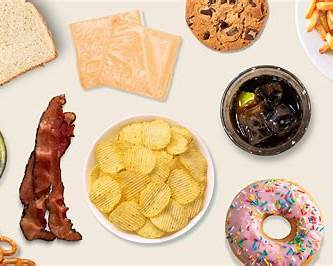
In a world where grocery aisles are packed with colorful packaging and convenience foods, it can be difficult to know what truly belongs in a healthy diet. While enjoying treats in moderation is perfectly fine, nutrition experts consistently warn that certain foods can undermine long-term health when eaten regularly. Here are five common items worth limiting or avoiding if you’re aiming for better energy, digestion, and overall wellness.
1. Ultra-Processed Snack Foods
Chips, cheese puffs, flavored crackers, and similar packaged snacks are often loaded with refined oils, artificial flavors, and high amounts of sodium. These ingredients can contribute to inflammation and weight gain while offering little nutritional value. Because they’re engineered to be addictive, it’s also easy to overeat them without feeling full.
2. Sugary Drinks and Energy Beverages
Soft drinks, sweetened teas, and energy drinks are some of the biggest hidden sources of sugar in the modern diet. Excess sugar intake has been linked to increased risk of diabetes, heart disease, and liver problems. Since liquid calories don’t satisfy hunger, these drinks can also lead to overeating later. Water, herbal tea, or sparkling water are smarter everyday choices.
3. Processed Meats
Bacon, hot dogs, sausage, and deli meats are staples in many households, but studies have repeatedly connected processed meats to higher risks of heart disease and certain cancers. High levels of sodium, nitrates, and preservatives make them a poor choice for regular consumption. Lean poultry, fresh fish, or plant-based proteins are healthier alternatives.
4. Trans-Fat–Heavy Baked Goods
Many commercially baked items—like packaged cookies, pastries, and donuts—contain partially hydrogenated oils, a major source of trans fats. These fats raise bad cholesterol, lower good cholesterol, and can increase inflammation in the body. Even when trans fats are reduced, these products are still often packed with sugar and refined flour.
5. Fast Food Burgers and Fried Items
While fast food can be convenient, many menu items are high in saturated fat, sodium, and refined carbohydrates. Regular consumption can strain heart health, disrupt blood sugar levels, and contribute to weight gain. Making fast food an occasional treat rather than a weekly routine can make a big difference.
